
The most effective way to understand the world’s best padel players isn’t reading a list of names but recognizing the archetypes. The short answer: there are four recurring core profiles in elite padel — the left-side finisher, the right-side builder, the patient defender, and the aggressive net player. Once you know these four, you’ll read pro matches better and see which role to invest in for your own game.
In this article, we deliberately don’t give current rankings, scores, or statistics; that data changes constantly during the season and is useless when misreported. Instead, the O’Padel Sky coaching team describes the lasting behavior patterns seen in elite play and how to apply them to a player at the 2.5–5.0 level.
Summary
- There are four recurring archetypes in elite padel: the left-side finisher, the right-side builder, the defender, and the aggressive net player.
- The left-side player covers the middle with their forehand and finishes the point; the right-side player sets the rhythm and protects the corners.
- The defensive style’s strength is patience and the globo; the aggressive style’s strength is taking the net early.
- What the best have in common isn’t shot variety but decision consistency.
- Choosing your own archetype delivers faster results than refining your technique.
What Does “Best” Mean? The Limits of Rankings
In professional padel, rankings reflect tournament points earned over a given period. That is a useful but partial measure: injuries, partner changes, and tournament schedule choices can move a ranking independently of a player’s true level. That’s why “the best in the world” isn’t a truth that can be reduced to a single list.
There are names that have earned an undisputed place in the sport’s history — players like Fernando Belasteguín and Juan Martín Díaz, for example, are remembered as figures who shaped modern padel’s understanding of doubles play. But the value of these names lies not in any number but in the lasting patterns they brought to the game: the discipline of holding the net, the bandeja becoming the backbone of the game, and clear role division within a pair top that list.
For a club player, the right question isn’t “who’s number one?” but “which profile resembles me, and what does that profile do well?” The rest of this article focuses on that question.
The practical benefit of the archetype approach is this: it gives you a priority list instead of a technique list. Developing all 14 shots equally takes a club player years; putting the three or four shots that suit your role first makes a visible difference within months. For the full inventory of shots, see our shot technique guide .
Archetype 1: The Left-Side Finisher
The left-side player plays on the left half of the court with their forehand facing the middle. The pair’s finishing role usually goes to them because they can reach high balls through the middle with their forehand and produce smash variations from there.
Common behaviors seen in elite left-side players: aggressively owning the middle, waiting on the high ball to adjust hitting height, and being able to pick the right ball to finish. That last point is the most critical — not smashing every high ball, but recognizing the smashable one.
If this archetype suits you, the order of priorities to work on is clear: smash variations, por tres and víbora. But these only make sense once bandeja is solid.
Left-handed players hold a special place in this archetype: when a lefty plays on the right side, their forehand faces the middle and the classic role split is reversed. This can let the pair keep both forehands in the center, an advantage often used at the elite level. For details, see our article on left-handed players.
Archetype 2: The Right-Side Builder
The right-side player is the architect of the game. Their job isn’t to finish the point but to create finishable balls for their partner. They do this with quality serves, deep and consistent returns, controlled bandejas, and well-timed lobs.
The most distinctive trait of elite right-side players is a low error rate. Being the side that doesn’t make the last mistake in long rallies defines this role. The second trait is positional discipline: covering the space left open when their partner goes for the finish and holding the pair’s net line.
Areas to work on for this role serve tactics, service return and lob timing. For a comparison of the roles, our article on right- and left-side player roles offers a more detailed framework.
| Archetype | Core task | Key shot | Most common mistake |
|---|---|---|---|
| Left-side finisher | Closing out the point | Smash, víbora | Forcing a ball that can't be finished |
| Right-side builder | Setting the rhythm | Serve, bandeja, lob | Staying too passive |
| Defender | Forcing the opponent into errors | Globo, contrapared | Never moving into attack |
| Aggressive net player | Cutting down space and time | Volley, block, chiquita | Getting pushed back by a lob |
The most misunderstood aspect of the builder role is confusing it with passivity. A good builder doesn't wait for the ball; they direct it: they target the opponent’s weak backhand, bring the net player down with a chiquita and create high balls for their partner. The logic of directing play is covered in our chiquita article and our opponent analysis guide .
Archetype 3: The Patient Defender
In padel, a defensive style is not a weakness but a deliberate choice. The small court and the glass walls that keep the ball in play make long rallies possible. That's why a patient defender can force technically stronger pairs to pile up errors.
This archetype's tools are a high, deep globo, controlled shots off the glass and footwork that waits without breaking position. Elite defensive players are masters at waiting for the moment to switch from defense to attack — they use defense not as a goal but as preparation.
Areas to work on: defending with the globo, contrapared and back-court defensive tactics. To catch the transition moment, our article on transitioning from defense to attack is the key resource.
The way to find your own archetype is to try different roles with the same partner. Set aside an hour on our indoor courts at Skyland’s and try both sides.
The defensive profile has a physical side too: long rallies demand endurance, hip mobility and fast recovery. That's why conditioning work isn't optional for defensive players. 8-week conditioning program and our footwork guide builds this foundation.
Archetype 4: The Aggressive Net Player
The aggressive style relies on shortening the opponent's reaction time. This player takes the net as early as possible, keeps volleys short and deep, plays at the opponents' feet and closes out points without dragging them out.
The defining trait of elite aggressive players is that their aggression is never random. The move to the net is made off a specific ball: usually after a deep serve or a bandeja that pushes the opponent back. An unprepared rush to the net gets punished by a lob.
Priorities for this archetype: volley technique, chiquita and attacking tactics. What to do when you face this profile on the other side is covered in tactics against a stronger opponent our article.
The hidden cost of the aggressive style is the load on the shoulder and elbow. Constant high-tempo play creates cumulative fatigue in these areas over long tournament days. To keep the load balanced, you need to apply the prevention protocols in shoulder injuries and tennis elbow our articles.
What the Best Have in Common: Decision Consistency
Archetypes may differ, but elite players share a few behaviors, and none of them is “hitting harder.”
- Giving the same answer to the same ball. Elite players play similar balls in a similar way; this makes it easier for their partner to position themselves.
- Not giving up the net easily. The attacking position isn't abandoned because of one difficult ball.
- Using the glass as a tool. Waiting for the ball off the back glass is more productive than hitting in a panic.
- Talking constantly. There's brief communication after almost every point.
- Behavior after a mistake. Instead of debating the error, they clarify the decision for the next point.
None of these five points requires a particular level; they can be applied even at 2.5, and they get results when you do. How decision quality is trained is covered in our mental game guide, and the structure of communication in our partner communication article .
A sixth common trait is equipment consistency. Elite players rarely change their racket, grip or shoes, because a consistent feel on the ball is the physical foundation of consistent decisions. At club level, too, switching rackets every month slows your progress. To make the right choice once, our racket selection guide and our grip article gives you a solid framework.
The seventh is recovery. For any player with more than one intense match a week, sleep, nutrition and a cool-down routine are the invisible half of performance. At the elite level a team manages this; at club level, a simple routine gets you most of the same effect. Our recovery guide and our recovery and wellness services show you how to build this routine.
How Do You Find Your Own Archetype?
Choosing an archetype is a matter of observation, not a personality test. You can start with three questions: In long rallies, is it your patience that runs out, or your opponent's? On a high ball, is your instinct to finish or to play it safe? Is your forehand’s more reliable, or your backhand’s?
The answers usually point in a clear direction. If you're patient and your backhand is strong, the right-side builder or defender profile suits you. If your finishing instinct is dominant and your forehand is reliable, the left-side finisher is the natural choice. But don't treat the choice as permanent — roles blend as your level rises. Our playing styles article details the hybrid profile, level assessment process shows concretely where you stand.
In practice, the fastest method is Sky’s Americano and Mexicano nights: since partners and opponents change every round, you'll have played several different roles within a few hours. Americano and Mexicano Reading up on how the formats work before you go makes your observation more productive. Once you've settled into your role, 8-week level league is the best environment for testing the same role over several weeks.
Conclusion: Finding Your Archetype at Skyland’s
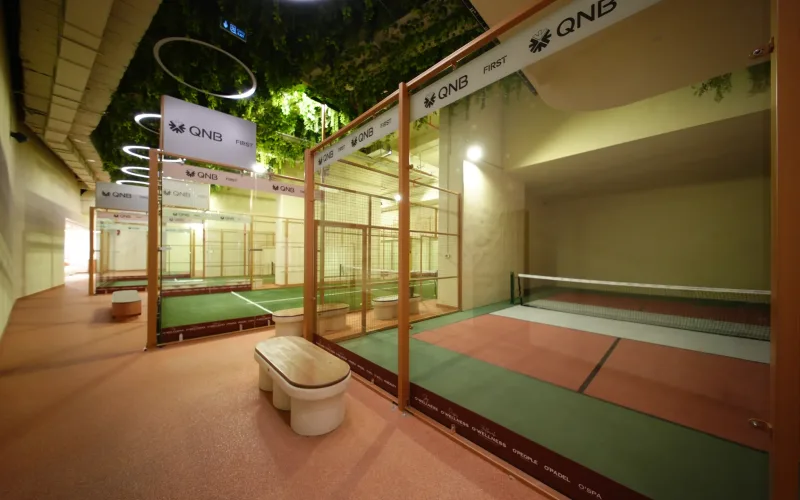
What you can learn from the world's best padel players isn't copying their shots; it's bringing their role clarity and decision consistency to your own level. At O’Padel Sky’s indoor, FIP-size courts with 500+ lux lighting inside Skyland Istanbul, conditions are constant, so you can truly test a role — the only variable affecting results is your decisions. With a wide range of levels coming from Sarıyer, Maslak and Levent’s, our Wednesday and Saturday Americano’s will show you clearly within a few weeks which archetype is yours.
FAQ
Rankings are based on tournament points accumulated over a set period, and injuries, partner changes or tournament calendar choices can shift that total quickly. That's why the ranking isn't the only measure of a player's level.
Each comes with different challenges. The left side carries the pressure to finish and the responsibility for smashes; the right side takes on keeping the error rate low and setting the rhythm. Which one is harder depends on the player's forehand reliability and temperament.
Yes. The small padel court and the glass walls that keep the ball in play make patient defense an effective strategy. At the top level, though, defense alone isn't enough; you need to catch the moment to switch from defense to attack.
Imitating decisions is more productive than imitating shots. Holding the net, playing high balls with a bandeja and waiting for the ball off the glass apply at every level; smash variations only make sense once the fundamentals are in place.
As your level rises, roles naturally blend. Around 4.0, players usually start using both builder and finisher behaviors in the same match; at that point, sticking to a single archetype can slow your development.


 Padel Courts
