
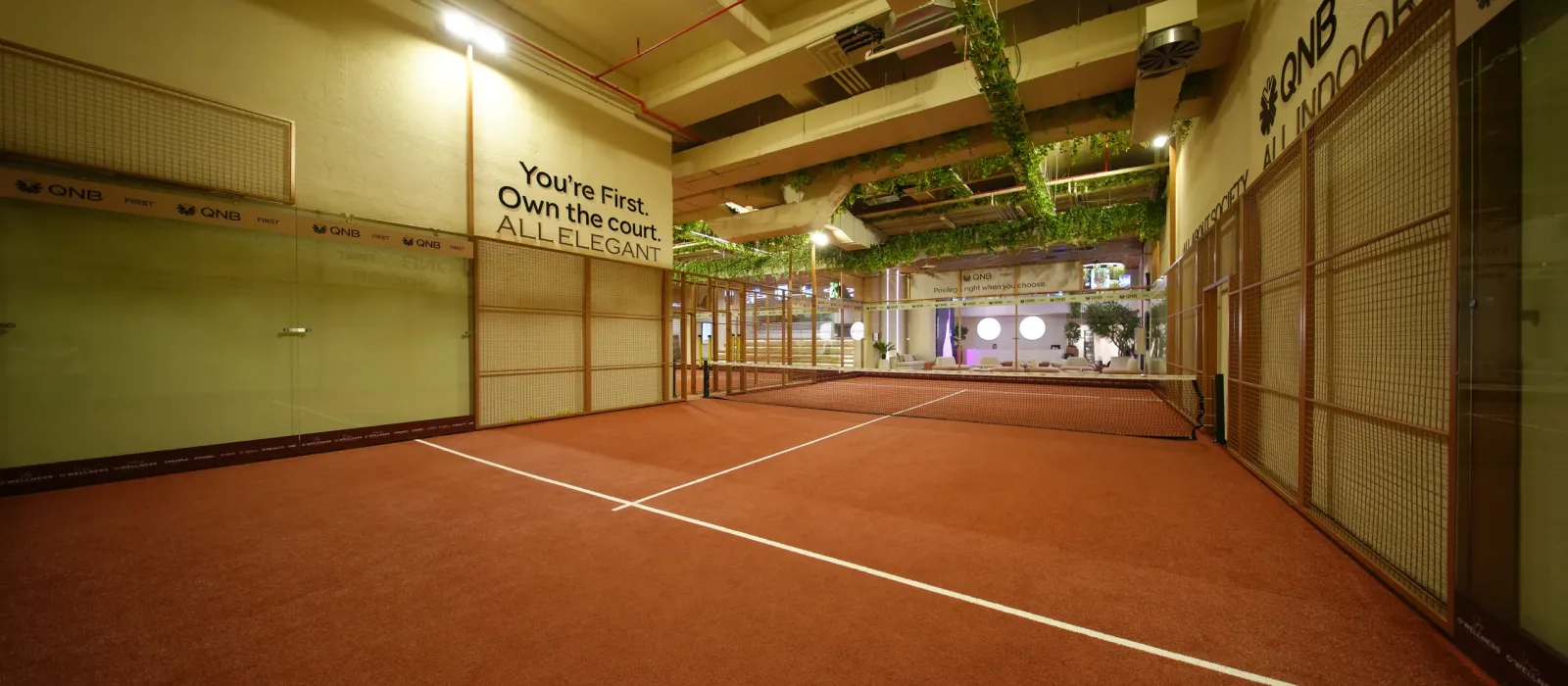
Padel tournament rules, in addition to the basic rules of the game, are the regulations that set out a tournament’s registration process, level categories, pairing and draw method, match format and participants’ responsibilities. The basic rules of play are the same in every match; what changes from tournament to tournament is this organizational framework. That is why reading the regulations before entering a tournament both prevents surprises and helps you feel more at ease on court.
In this article, the O’Padel Sky coaching team walks through the building blocks of a padel tournament one by one: registration, level assessment, pairing formats, match format, time management and codes of conduct. The information reflects general practice; in official competitions, the current regulations of the relevant federation apply, and at club events, those of the organizers.
Summary
- Tournament rules are organizational regulations added on top of the basic rules of play.
- Registration covers pair or individual entry, level declaration and the registration deadline.
- Level categories are the basis for balanced matches; O’Padel Sky uses a 1.0–7.0 system.
- Pairing formats: knockout, group stage + knockout, round robin, Americano and Mexicano.
- Match format, time rules and fair play principles are set out in the regulations.
Registration: How Do You Enter a Tournament?
Every tournament starts with a registration process. At this stage, the organizers determine the number of participants, the level distribution and the pairing plan. That is why providing accurate registration information on time is critical for the tournament to run smoothly.
The registration process usually includes the following steps:
- Announcement and regulations: The tournament date, format, categories and entry requirements are announced. We recommend reading the regulations before registering.
- Entry type: Some formats require registering as a pair (e.g., classic knockout tournaments), while others are played with individual entry (e.g., Americano).
- Level declaration: You state which category you will play in. The organizers may adjust levels when necessary.
- Capacity and registration deadline: Because courts and time are limited, most tournaments have a cap on entries. Applications received after the registration deadline may not be accepted or may be placed on a waiting list.
- Confirmation and draw: Once registrations are finalized, the draw or pairing plan is announced.
Registering is a commitment you make to the tournament. If you find you can no longer take part after registering, it is important to inform the organizers as soon as possible. This gives players on the waiting list a chance and allows the pairing plan to be rearranged. Making sure your contact details are correct when registering is also important, since draw results, match times and possible schedule changes are usually shared through them. You can read about preparing for a tournament in padel tournament preparation our article.
Level Categories: The Basis for Balanced Matches
One of the most important conditions for an enjoyable tournament is that players of similar levels face each other. Very lopsided matches are unsatisfying for both the winning and losing sides. That is why tournaments are usually organized by level categories.
At O’Padel Sky, we use a level system from 1.0 to 7.0. In tournaments, this system helps place players in the right categories. Points to keep in mind when determining your level:
- Honest calls: Understating your level creates unfair competition for players in the lower category. Overstating it, on the other hand, leads to exhausting matches you won’t learn much from.
- Coach assessment: If you don’t know your level, our coaches can determine the right category with a short assessment. For more details, see padel level assessment post.
- Pair level: In tournaments entered as a pair, the category is usually determined by assessing both players’ levels together.
- Organizers’ authority: If a clear level mismatch is noticed during the tournament, the organizers may make adjustments within the framework set out in the regulations.
Level categories are also a development tool. A player who regularly finishes near the top of a category might consider moving up to a higher category in the next tournament. This step lets you face new challenges and improve your game. When you are unsure, getting your coaches’ opinion helps you avoid moving up too early or too late.
Pairing Formats: Knockout, Groups and Rotation
A tournament’s pairing format determines who plays whom and how many matches. Each format has its own advantages; which one is chosen depends on the number of participants, the time available and the purpose of the tournament.
| Format | How does it work? | Advantage | What to watch out for |
|---|---|---|---|
| Single elimination | The loser is eliminated, the winner advances to the next round | Quick results | First-round losers play only one match |
| Group + knockout | Everyone plays each other in groups first, then the best advance to the knockout round | Everyone plays more than one match | Takes longer |
| Round robin (league style) | Each pair plays every other pair | The fairest ranking | Takes longer as the number of participants grows |
| Americano | Players are paired with different partners each round, and points are tallied individually | Social, no partner needed | Requires individual point tracking |
| Mexicano | Pairings are balanced based on each round’s results | Balanced matches as the tournament progresses | Requires re-pairing after each round |
In classic knockout tournaments, seeding may be used so that strong pairs don’t meet in the early rounds. In the group stage, criteria such as game difference and head-to-head results are typically used to break ties; these criteria should be clearly stated in the regulations. The choice of format also directly affects the participant experience. At an event with many beginners, group or rotation formats that give everyone several matches are more enjoyable, while at a tournament with experienced players, the excitement of knockout play may take center stage. For a broader comparison of formats, see our padel tournament formats article; for social formats, see What is Americano and What is Mexicano .
Want to play a rehearsal match with your partner before the tournament? Pick a time that suits you on our indoor courts at Skyland Istanbul.
Match Format and Time Rules
In tournaments, the match format directly affects the total duration and court planning. That is why organizers may choose different formats depending on their needs. Common options include:
- Best of three sets: The classic format; it takes longer and is usually used for finals or official competitions.
- Short sets or a single set: Preferred in club tournaments with time constraints.
- Super tiebreak: A long tiebreak played instead of a third set; it shortens the match.
- Golden point: At deuce, a single deciding point is played instead of advantage. Details: what is the golden point in padel .
- Timed matches: Played over a set time or number of points, especially in formats like the Americano.
Time rules are also an important part of tournaments. Being ready on court at your match time, respecting the warm-up time and making quick transitions between matches keep the whole schedule running smoothly. Many tournaments have sanctions such as a waiting period set out in the regulations for a pair not ready at match time, followed by a walkover loss. Not exceeding the set times for changeovers and between sets also protects the schedule of other matches. For timeout and substitution rules, our substitutions and timeouts in padel article offers detailed information.
Score Reporting, Referees and Disputes
In most club tournaments, there is no referee for every match; players keep score themselves and report it to the organizers at the end of the match. For this system to work properly, it relies on the honesty of all participants. Being responsible for keeping score shows that players are trusted; protecting that trust is a shared duty of the padel community.
General principles on scoring and disputes:
- Call the score out loud: Having the serving pair announce the score after every point prevents confusion.
- Friendly resolution when in doubt: If there is a disagreement about a point, replaying it is usually the fairest solution.
- End-of-match reporting: Both pairs report the score to the organizers together, so there is agreement on the result.
- Disputes: If a disagreement can’t be resolved, the organizing team is consulted. The organizers’ decision is final within the framework of the regulations.
In refereed matches, the referee has the authority to decide. Respecting referee decisions and raising objections as set out in the regulations is part of the sport’s culture of respect. Having only the team captain or the player concerned speak with the referee, in a calm tone and between points, preserves the flow and atmosphere of the match. You can read more on this topic in refereeing and fair play in padel our article.
Codes of Conduct and Fair Play
Tournaments are environments where competition intensifies, and this can sometimes create tension. That is why regulations usually include codes of conduct as well. Respectful language, not throwing your racket, courtesy toward opponents and organizers, and care for court equipment form the foundation of these rules.
Fair play is not just about following the rules but about upholding the spirit of the game. How you win matters as much as winning; the opponents you face in club tournaments are often the people who will be your partners at the next Americano. Owning up when you touch the net or when the ball grazes you, acknowledging an opponent’s good shot and shaking hands at the end of the match are small but valuable gestures that make the padel community strong. You can find the main situations that lose a point in double bounce, net touches and body contact our article.
Physical safety is also part of the code of conduct. If you will play several matches on tournament day, a good warm-up, regular fluid intake and short recovery breaks between matches are important. If you have any health issue, we recommend that you consult your doctor before taking part in an intense tournament day. For a match-day routine, see match day at a padel tournament article.
O’Padel Sky Tournaments: Which Formats Are Available?
The regular tournament and league calendar at O’Padel Sky consists of the following formats:
- Americano: Every Wednesday and Saturday; individual entry with rotating pairings.
- Mexicano: Held periodically, with pairings balanced according to results.
- 8-week level league: Regular matches by level group. How it works: how a padel league works .
- Monthly club tournament: The most competitive event of the month. Details: padel club tournament .
The format, scoring and pairing rules for each event are explained by our organizing team at the start of the event. The general framework of all formats is on our tournaments and leagues page. If you’re entering a tournament for the first time, our first padel tournament guide will prepare you step by step. And if you’d like to organize a corporate tournament for your team, see corporate events page.
Conclusion
Padel tournament rules cover registration, level categories, pairing formats, match format, score reporting and fair play, and are spelled out in each tournament’s own regulations. Knowing this framework lets you head into tournament day prepared and relaxed. At O’Padel Sky, located at Skyland Istanbul in Sarıyer, you can experience formats ranging from the Americano to the monthly club tournament on indoor, FIP-size courts. As the O’Padel Sky coaching team, we’re happy to answer your tournament questions; for training and rehearsal matches, see when making your court reservation; for our court features, see padel courts page to make a reservation.
FAQ
It depends on the format. In rotating formats like Americano and Mexicano, individual entry is possible. In knockout tournaments played as pairs, you usually need to register with a partner; some organizers may also offer partner matching.
Your health always comes first; stop playing and see a doctor if necessary. The match result and your standing in the tournament are determined by the organizers according to the rules set out in the regulations.
Usually not; the category is set at registration. However, if there is a clear level mismatch, the organizers may make adjustments within the framework of the regulations.
For current tournament announcements and registration information, you can message the WhatsApp line at +90 539 675 54 54 or send an email to sky@owellness.tr.
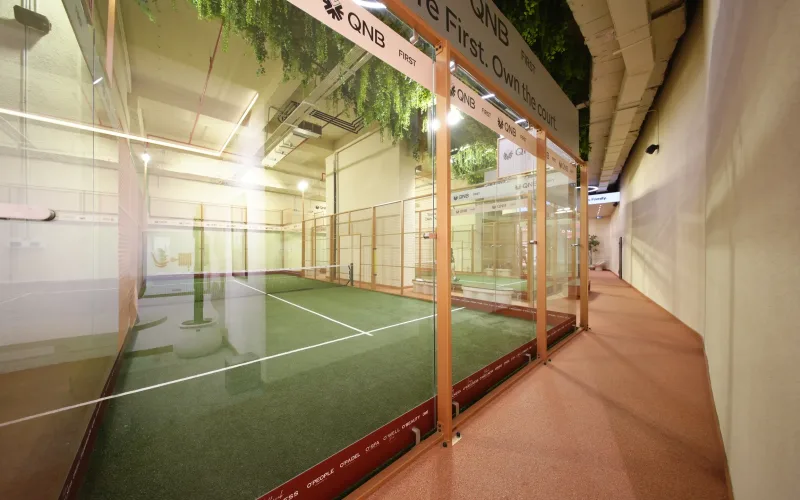
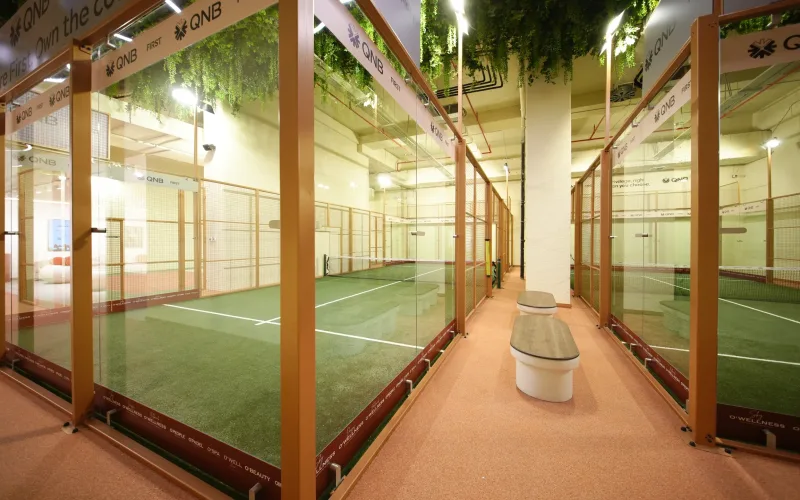


 Padel Courts
