
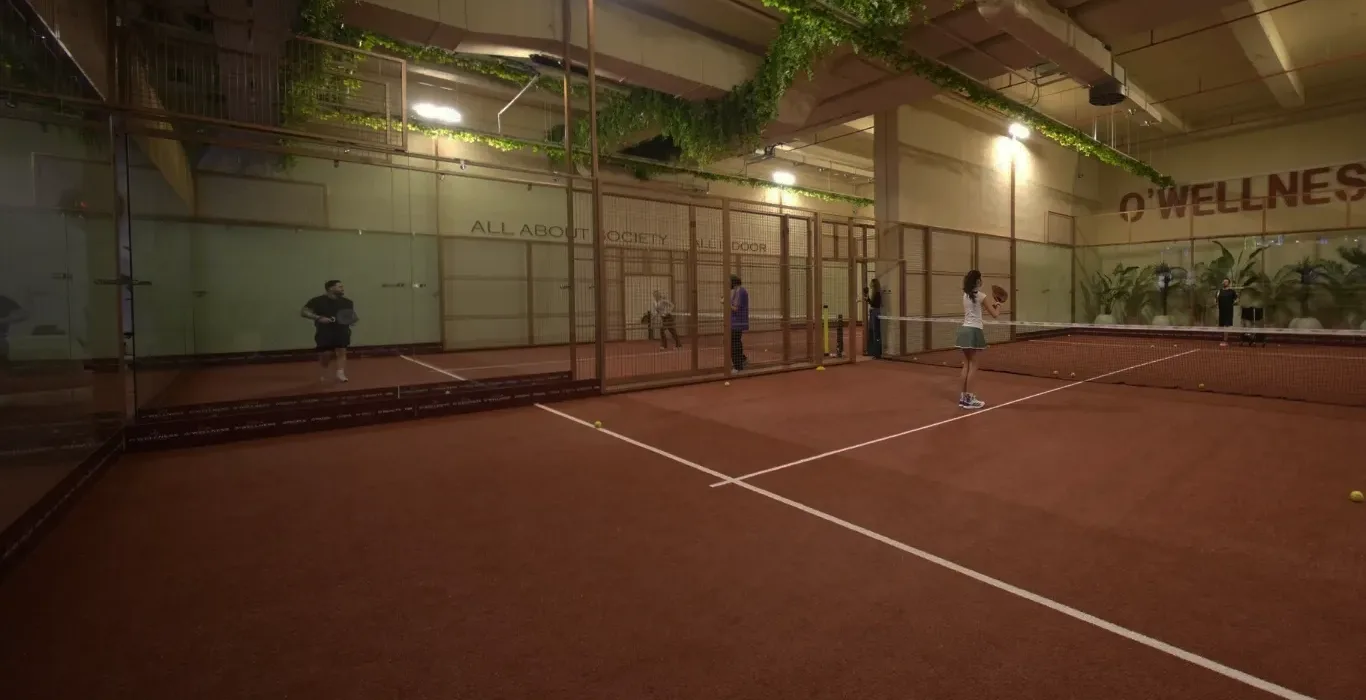
Padel service order is one of the rule areas most often confused at the start of a match. In doubles, where four players walk onto the court together, who serves first, which side they stand on and when the order changes can confuse first-timers. A game started in the wrong order leads to point disputes and spoils the fun. This guide explains in plain terms the opening rules you need to know when playing a friendly or tournament match at O'Padel Sky. Because official details are updated from time to time, always confirm the tournament rules with the organiser.
Start of the match: the toss and first choice
At the start of the match a coin is usually tossed or a racket is spun. The winning side chooses one of two things: to serve or receive first, or to decide the starting side. When the winner picks one option, the other passes to the opposing team. The mechanism is simple, but choosing consciously can give an advantage.
Because factors such as sun or wind do not exist on indoor courts, the choice of side is mostly made by team preference rather than by light or glass structure. If you have a left-handed player, it is useful to think about which side suits their strong shot.
Some players believe serving first gives a psychological advantage; others prefer to receive first to see the opponent's rhythm. Both approaches are valid and the right answer depends on the team's style of play.
How is the service order determined?
In a doubles match each team has two players and the service order rotates from one game to the next. In the first game the serving player of the first team is set; in the second game a player from the opposing team serves. In the third game the other player of the first team takes their turn, and in the fourth the other player of the opposing team. This pattern repeats throughout the set.
What matters is not changing the order once it is set for the duration of the set. Teams may rearrange the service order when they move to a new set. So clearly agreeing who will serve first between sets prevents confusion.
In each game the serving player uses the right and left service areas alternately. The first point of a game starts with a serve from the right side and the next point is served from the left. This alternating system does not require the receiving side to switch squares in turn.
Receiving order and positions
The receiving team determines the initial receiving positions at the start of the match, and throughout the set the same player receives on the same side. That is, one player takes on receiving from the right and the other from the left. This duty may only be changed in a new set. A common mistake is mixing up the roles during a game.
The receiver's partner may take position outside the service area, usually close to the net. The service rules are a separate topic; what matters here is clarifying in advance who will receive which point.
- Decide the first choice with a toss before the match
- Don't change the service order during a game
- Alternate the right and left service areas every point
- Let the receiving side keep the same position throughout the set
- Confirm the order aloud when starting a new set
Changing ends and order mistakes
As games progress, teams change ends at set intervals. The biggest mistake at changeovers is confusing service order with changing ends. Changing ends does not change the right to serve; service is only handed over at the end of a game according to the order. Knowing this prevents most disputes.
If an order mistake is noticed, play usually returns to the correct order from the moment it is noticed and earlier points stand. In friendly matches played without a referee, avoiding rigid views and deciding together is the best approach to prevent rule arguments. In a tournament, the referee's decision is decisive.
Saying the score aloud during play also reduces order mistakes. The serving player announcing the score after each point re-fixes in everyone's mind who is next.
Friendly match or tournament?
In friendly matches the starting rules are mostly applied flexibly; players decide on order and side by talking to each other. In tournaments, the rules published by the organisation apply, and the referee or organiser is responsible for enforcing them. Reading the written rules before entering a tournament is the easiest way to avoid surprises.
In different formats, for example rotational games such as Americano or Mexicano, the service order and partner pairing are set by the organiser. In that case the player's job is to listen to the assignment and be clear about their own side.
Whatever the case, making sure everyone understands the same thing before play begins solves half of the rule disputes before they start. Calm, clear and polite communication is the foundation of that solution.
Single serve chance and replay situations
In padel the serving player is usually allowed two chances; if the first serve is a fault the second can be taken. But if the serve crosses the net and lands in the right area and meets an obstacle outside the receiving side, a replay situation called a 'let' can arise. The details of these replay situations are a separate topic, but it is important to know that they do not affect the service order.
Another frequent mistake in the rotation of service is who continues the order when a set ends. When a set ends, who serves first in the new set is usually the opposing side of the team that served the last game of the previous set. If confused, asking the referee or organiser is best.
In tie-break situations the service order works differently: players serve a certain number of points once and continue alternately. This rule should be examined separately and confirmed from the tournament guidelines. Everyone saying the order aloud before the tie-break begins reduces the chance of error.
Knowing the starting rules also increases trust among you, especially in friendly matches played without a referee. When everyone knows they are playing by the same rules, attention shifts fully to the game during the match. So a two-minute pre-talk before the next match can raise the quality of the whole session.
Be patient when teaching these rules to beginners. A simple diagram drawn on paper or example positions shown by walking on court are far more effective than verbal explanation. Once understood correctly, these rules are applied naturally throughout the game.
Practical tips and reminders
For beginner groups, creating a small pre-match checklist is very useful. Questions like who serves first, who receives on which side and which player serves in which order can be answered in two minutes. This short talk saves time throughout the match.
When playing on the O'Padel Sky courts at Skyland Istanbul, you can ask the club team about rules and request a practical example from coaches during lessons. Knowing the rules makes the game fairer and more enjoyable. In your next match, clarify the starting order up front and play comfortably from the first point.
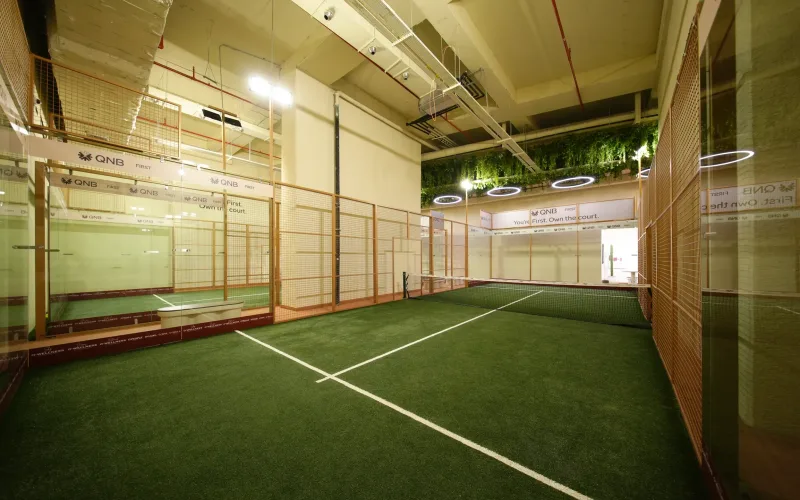
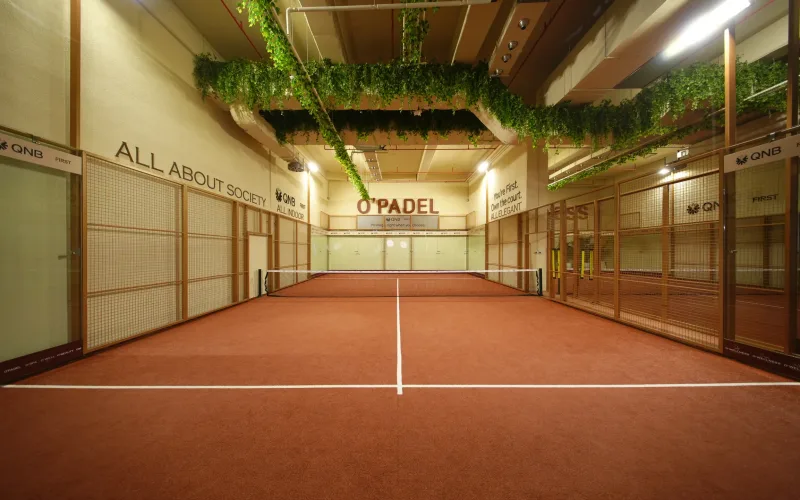
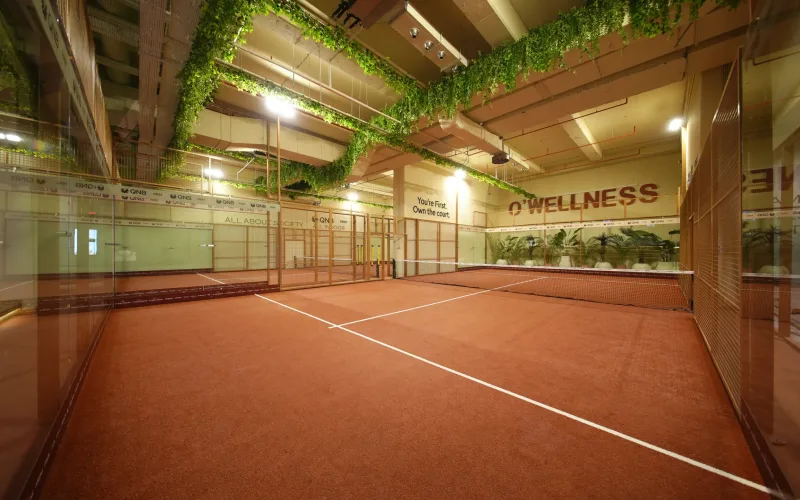


 Padel Courts
