
Padel etiquette consists of the behaviours that are not in the official rulebook but define the atmosphere of a club. Dozens of players sharing the same courts and hours make every session more enjoyable through small courtesies. For beginners, knowing these behaviours is the easiest way to fit into the community quickly. In this article we have gathered the unwritten rules to follow in a closed and busy court environment like O'Padel Sky.
Respecting time and turns
The booking time belongs to you and to the group that comes after you. Leaving the court on time means not stealing the next group's warm-up. Even if the match is very exciting, keeping track of the remaining minutes and finishing the last point on time is a great courtesy. Likewise, arriving late shortens not only your own session but also the time of your partners and opponents.
Not interfering with other matches while waiting your turn on court is also important. Walking behind a court while play continues, searching for a ball or talking loudly distracts players. If necessary, wait until the point ends and ask permission with a hand signal.
In facilities with a booking system, reporting cancellations and changes on time lets other players use that slot. A small message can save the plan of a whole group.
Behaviour with balls, glass and equipment
A small courtesy with the padel ball is to roll or hand the stray ball to the opponent rather than throwing it hard. Throwing balls hard is both dangerous and disrespectful. Collecting the balls at the end and leaving the court clean also helps everyone; empty water bottles, tape scraps and towels should not be left on court.
Hitting the glass and fence hard, slamming the racket into the wall or kicking in anger damages both equipment and facility. In indoor courts the echo of these sounds is more noticeable and disturbs other players. There are healthier ways to release anger, such as taking a breath, stepping back or making a short joke with your partner.
If you bring your own balls, pay attention to the ball type the facility uses and don't leave old balls lying on court before throwing them away. Be careful where you leave your racket; equipment left near doors or glass edges can cause accidents.
Respect for opponents during the match
Most friendly padel matches played without a referee are built on honesty. The side that best sees whether the ball bounced twice or touched the line is usually the one making the shot, and giving the point to the opponent when in doubt raises your standing. Trying to use doubt in your own favour is quickly noticed within the community.
Celebrating an opponent's mistake should be balanced too. It is nice to celebrate a clean, well-played point, but reacting mockingly to an opponent's error both spoils the mood and may make them unwilling to play with you again. Even after a heavy defeat, shaking hands and saying thank you should never be forgotten.
- Give the point to the opponent on a doubtful ball
- Return a stray ball gently instead of throwing it
- Shake hands and say thanks at the end of the match
- Say the score out loud and clearly
- Don't blame your partner; talk about the solution
Handling a partner and level differences
In every padel community, different levels play together. The experienced player's job is not to crush the beginner but to keep the game enjoyable together. If you are paired with a stronger partner, ask before explaining; not everyone enjoys being lectured. Unsolicited advice is often discouraging.
For the beginner, it is important not to hesitate to ask questions and to stay in a learning mood instead of apologising for every mistake. Most experienced players like helping someone who wants to learn. This sharing culture is quite common in the Sarıyer padel community.
If the level gap is large, suggesting formats or rules that balance the competition is also good manners. For example, limiting the stronger player's hard shots or mixing partners lets everyone enjoy the game.
First-day guide for newcomers
If you are coming to the club for the first time, the best way to learn the etiquette is to observe. Watch for a few minutes the atmosphere, how people treat each other and how the court is used. Don't hesitate to ask about anything you're unsure of; most players gladly help newcomers.
Instead of apologising at length for your errors, briefly saying 'sorry' and continuing keeps the mood light. Too many apologies can make opponents and partner uncomfortable. Likewise, appreciating an opponent's good shot affects the atmosphere positively.
In short, etiquette is the sum of the small respects we show to each other. Learning it is not hard; what really matters is applying it consciously in every session.
Etiquette is also decisive in sessions played with families with children. Keeping children in a safe area outside the court, making sure they don't open the court door during the match and leaving noisy games outside are important for both safety and the peace of other players. Being a positive role model for young players is also part of manners.
On tournament days etiquette becomes even more visible. Showing respect to teams waiting their turn, staying calm when objecting to referee decisions and congratulating whether you are the winning or losing side determine the quality of the community. Nobody is perfect; but conscious effort makes a difference.
In short, manners shape a club's culture. In places with shared courts like O'Padel Sky, each player's attitude determines the next player's experience. Keeping this chain positive is all our responsibility.
Some of the rules of etiquette arise from the specific conditions of the indoor court environment. The echo of the glass and fences makes loud talk and shouting heard more. Saying congratulations and encouragement in a kind tone keeps the mood of the whole hall positive. Respecting the concentration of neighbouring courts, especially in busy hours, is very valuable.
Noise, phones and shared areas
Listening to loud music on court, talking on the phone or chatting at the door disturbs players on neighbouring courts. In indoor halls in particular, sound carries very well. Putting your phone on silent, taking calls outside the court and keeping your voice low in shared areas is a simple rule of manners.
The same care applies in shared areas such as changing rooms, lounges and the car park. Not leaving towels and belongings scattered, waiting your turn where queues form and treating staff kindly are essentials of a club culture.
Etiquette is not a boring list of prohibitions but a short path to spending good time together. Apply these small habits in your next session; they will help you create a more enjoyable environment for everyone at O'Padel Sky.
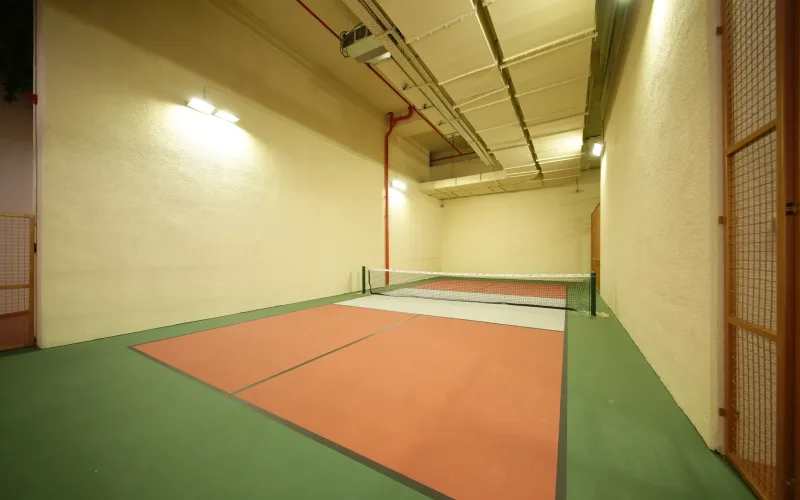
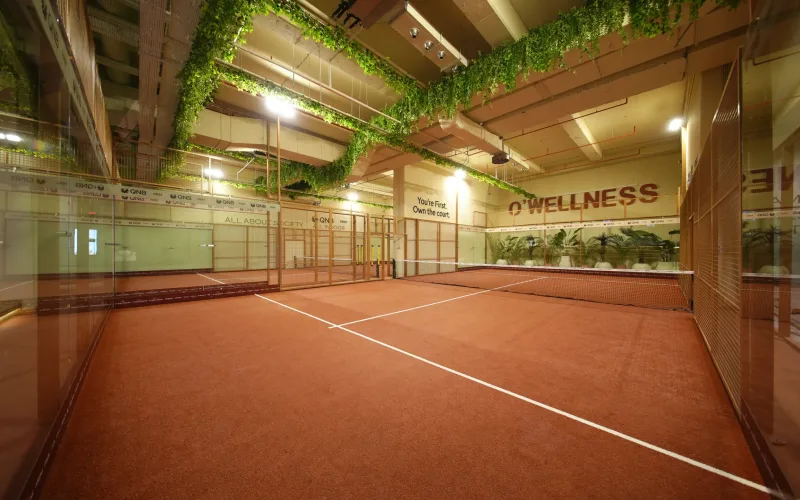


 Padel Courts
