
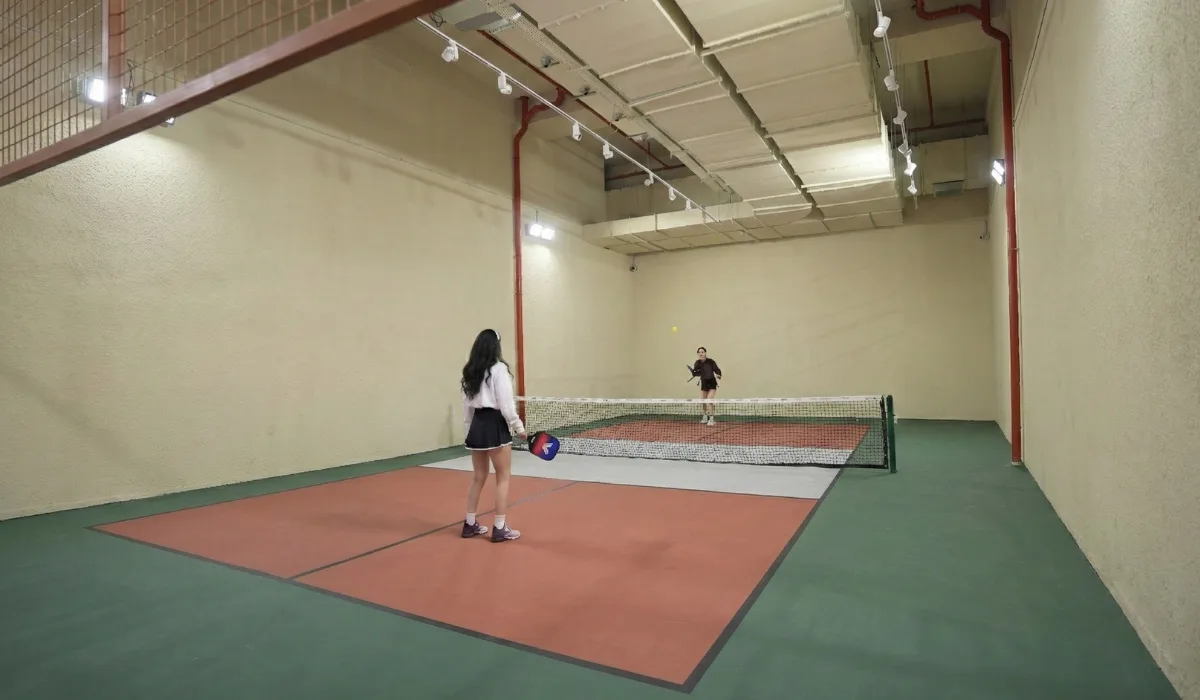
Padelde güçlü vuruş yapmak isteyen orta-ileri oyuncuların çoğu, kolunu daha sert sallamaya çalışır. Oysa gerçek güç, ayaklardan başlayıp bacaklara, kalçaya, gövdeye ve en sonunda kola ulaşan bir kinetik zincirden gelir. Zincirin halkaları doğru sırayla çalıştığında, kol yalnızca enerjiyi raketle topa aktaran son halka olur.
This approach matters not only for power but also for control and injury prevention. A player who overworks the arm carries unnecessary load in the elbow and shoulder. For many players, including those at O’Padel Sky in Skyland, the area of development often lies here.
How Does the Chain Work?
The chain starts at the feet in contact with the ground. As weight transfers from the back foot to the front foot, the legs push against the ground and this push travels to the hips. The hips rotate, then the shoulders, and finally the arm brings the racket to the ball. Each link receives energy from the previous one and accelerates it into the next.
Because the ball in padel already carries energy from the opponent and the glass, a very large amount of power is not always needed. But when the chain works properly you produce power easily when needed and control the stroke comfortably when not. When the chain is right, you make the same shot with less effort.
The kinetic chain concept is a widespread idea in sports science, but in padel it is not easy to notice by eye, because movements are fast and small in scale. In sports with larger swings such as tennis or golf the chain is more visible; in padel the narrow space and short distances shorten the chain. That is why the absence of the chain also goes unnoticed.
The Role of the Feet and Ground
Because the padel court surface is sand-filled synthetic grass, how the feet press into the surface matters. Pressing the sole firmly into the ground and transferring weight toward the front foot forms the basis of the stroke. It is hard to transmit power when the feet are in the air or sliding; so having the feet balanced at the moment of the stroke is essential.
Many players hit while moving and the chain breaks as a result. A small extra step, meaning taking the last step short and controlled as you approach the ball, lets you stop the feet at a balanced point. This small detail noticeably raises stroke quality.
- Feet a bit wider than shoulders; soles fixed to the ground
- Weight is transferred in a controlled way from the back foot to the front foot
- Hips rotate first, shoulders next, arm last
- Balance is kept after the stroke; no falling forward or drifting back
Hip and Torso Rotation
The hip rotation is the most neglected link of the chain. Many players turn the shoulders but leave the hips fixed; this stretches the torso like a spring but does not pass the energy on. The hips should begin to rotate just before the stroke and move slightly ahead of the shoulders. This timing difference increases power.
The spine should stay upright during torso rotation. Bending too much or leaning sideways weakens the rotation and loads the lower back. If you feel discomfort in the lower back or spine, get support from a specialist instead of forcing the stroke. Remember that the rotation should work the hips and torso, not the spine.
The timing of the chain is about rhythm. In the preparation phase the weight is on the back foot with the racket back; toward the moment of contact the weight moves forward while hips, shoulders and arm accelerate. This rhythm is felt as “slow-slow-fast”: preparation and weight transfer are calm, the final acceleration of the arm is short and fast. Starting fast and finishing fast breaks the chain.
The Real Role of the Arm
In the chain the arm is the last link; its job is to pass on the energy and control the racket face. Keeping the arm loose lets the energy flow. When the arm tenses, the flow of energy is cut and the stroke stiffens. Keeping the arm loose and the elbow slightly bent therefore increases both power and comfort.
The racket grip is also part of the arm’s role. A tight grip stiffens the wrist and cuts the chain; a loose but controlled grip makes the energy flow. Squeezing the grip briefly at contact and relaxing right away is an approach that works for many players.
A common sign in the absence of the chain is arm fatigue after strokes and a slight ache in the shoulder or elbow. These signs may show that the arm is carrying a load beyond its role. If the discomfort persists, consulting your physician is important; technical correction alone may not solve every problem.
The Chain in Defense and Attack
In defensive strokes the chain is shorter and more controlled. When meeting a ball rebounding off the glass, lowering with the legs and guiding the ball comfortably is enough instead of a large hip rotation. In attack the chain works at full length: weight from back to front, hip rotation, shoulder rotation and arm acceleration.
This difference requires being able to adjust the length of the chain to the purpose of the stroke. Using the full-length chain on every stroke leads to errors. What matters is knowing each link of the chain and working only as much of it as you need.
Leg strength and hip mobility also support the quality of the chain. Simple squats, lunges and hip mobility work done a few times a week strengthen the first links of the chain. These do not replace technique though; they give the best result when they progress together.
On indoor courts the grip of the surface and the shoe sole also affect the first link of the chain. A slipping sole disrupts weight transfer. A shoe suited to the surface and a sole that is not worn is the foundation of the chain.
How to Practice
To feel the chain, you can do a simple exercise where you leave the arm nearly passive and guide the ball using only feet, hips and torso movement. A partner feeds slow balls and you send them back with weight transfer while keeping the racket almost fixed. That way you see how small the arm’s role really is.
Filming is also very helpful. In a recording from the side you can easily see whether weight moves from the back foot to the front, and whether the hips rotate before the shoulders. If you have muscle or joint problems, consult your physician or coach before trying new movement patterns.
Finally, there is a balance between power and control. When the chain works at full capacity the shot gets stronger but control can become harder. Dosing the chain as needed, meaning guiding the ball with a light weight transfer, is the right choice for most padel strokes. Bringing in the full chain when power is needed can be kept as a skill in your hands.
To keep this chain at match tempo a simple reminder is enough: “feet, hips, then arm.” Running these three words through your mind at the start of each point reduces the tendency to hurry and lean only on the arm. Over time this order settles in the body by itself and no separate thinking is needed.
Chain awareness can be shared when playing with a partner too. Watching each other’s strokes from the side and asking “did the weight move forward?” is both an educational and a fun form of feedback. An outside eye can give clearer information than your own feeling.
Being patient is part of this process; rebuilding the chain can take a few weeks.
FAQ
Do I need to build muscle to hit hard?
No. In most cases technique and timing are more decisive than muscle strength. Strength training is supportive but not the only answer.
Is weight transfer necessary on defensive strokes too?
Yes, but shorter and more controlled. A balanced weight transfer still makes the stroke comfortable and consistent in defense.
How do I feel this movement?
Exercises where you leave the arm passive and videos filmed from the side are the most effective ways to see and feel the chain.

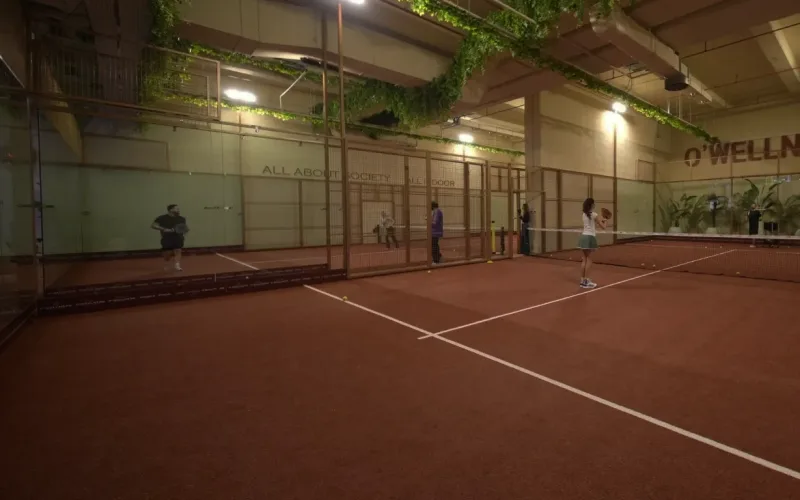
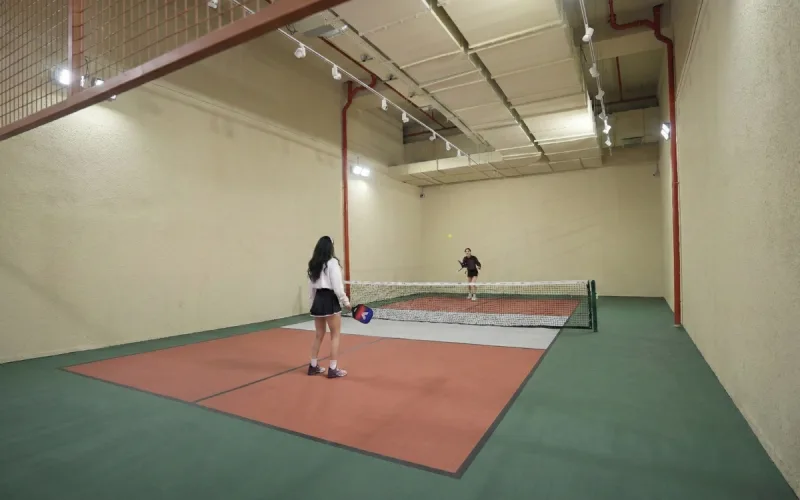


 Padel Courts
