
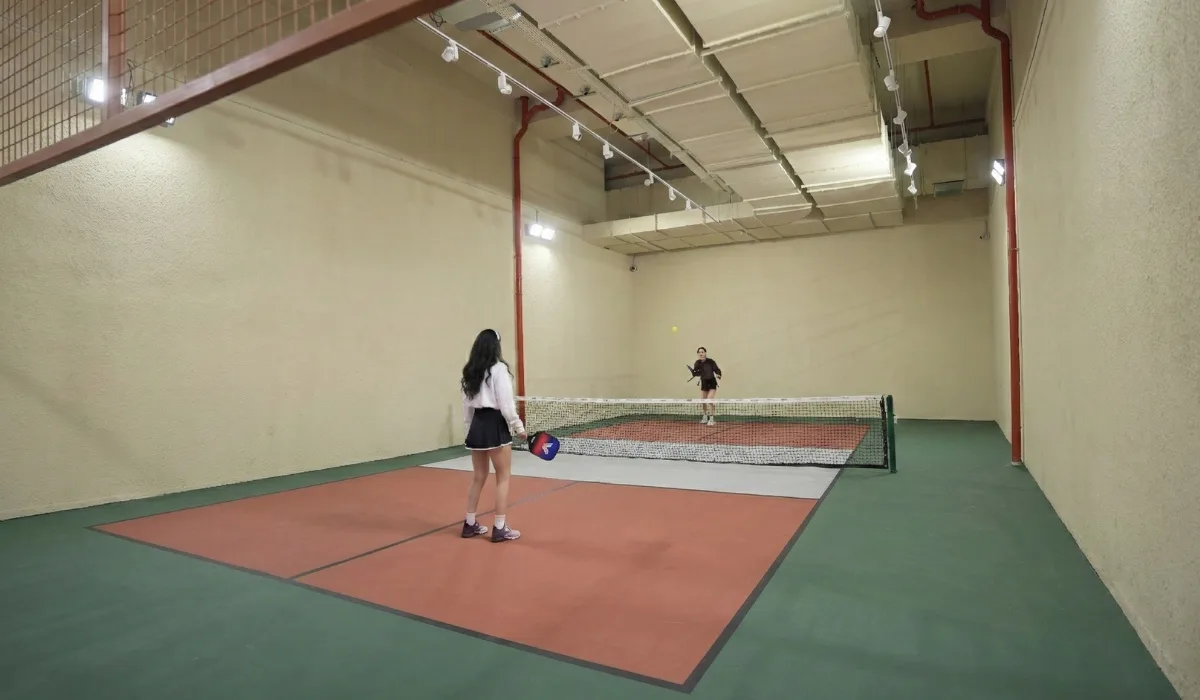
Padel tournament seeding and draw logic is something every player entering a tournament should know but often overlooks. How the bracket is built, how strong teams are distributed and who you will meet in the first round affect your whole tournament experience. In this article we offer a general framework; but since each organisation may have its own rules, always read the written guidelines of the tournament you will enter. For O'Padel Sky events, current information is announced by the club.
What is seeding?
Seeding is the ranking set to prevent the teams thought to be strongest in the tournament from meeting each other in early rounds of the bracket. This way the strongest teams are usually placed in separate sections until they approach the final or semi-final. This arrangement aims to carry the tournament's excitement to the end and provide fair competition.
The criteria for determining seeds vary by organisation: league points, past results, level assessment or the organiser's discretion may be used. In amateur and club tournaments, level assessment and past season results are frequently used elements.
How is the draw made?
Non-seeded teams are usually placed in the bracket by draw. The draw ensures that matchups are determined impartially and transparently. It can be done with online tools, by drawing paper slips or with computer programs; what matters is that the process is understandable to participants.
In some tournaments groups are determined by draw in the group stage, then play continues in the knockout rounds according to a predetermined bracket. Knowing the difference between group and knockout formats helps you plan when you will play a lot and when you will rest.
- Seeding: separates strong teams in early rounds
- Draw: places remaining teams impartially
- Bye: some teams skip the first round
- Group stage: everyone plays several matches, then knockouts begin
Byes and bracket gaps
When the number of entrants doesn't fit the bracket exactly, some teams pass the first round with a bye. A bye is usually given to seeded teams. Although it seems like a technical detail, it can change the day's energy management by affecting your number of matches in the first round.
A warning for a team receiving a bye: starting your first match later also affects warm-up time and mental preparation. While waiting it is important not to let your body cool and to keep it ready with light movement.
Strategy as a non-seeded team
Not being seeded seems a disadvantage but is sometimes an advantage. Playing freely from a position of low expectation lets many teams play more boldly. Meeting a strong seed puts the pressure on the opponent.
Examining the bracket and seeing possible opponents and paths helps tactical preparation. But it is also important not to look so far ahead that you miss the next match. Treating each match as a goal in itself is the most solid way to progress in a tournament.
Reading the bracket and planning the day
When the tournament bracket is published, the first thing to look at is which round you play at what time. Knowing how much gap there is between match times determines your meal, rest and warm-up plan. Long waits can cool you down; very short intervals make recovery difficult.
It is natural to be curious about possible opponents in the bracket, but look only to gather information. Magnifying a strong opponent in your head can increase psychological pressure before even playing. Instead focus on your own game plan and progress step by step from the first match.
Leave buffer times in the day plan. Matches sometimes run long, earlier ones are delayed and the schedule shifts. Having your equipment, water and snack with you so that you are ready at any moment makes it easier to manage surprise delays.
How to approach a draw that feels unfair
Sometimes the draw places you in a tough part of the bracket and you meet a strong team in the first round. Although annoying, this is often an opportunity to learn. Playing a higher-level opponent challenges your game and gives a measure of your level. Even in defeat, experience is gained.
If you need to object to the draw, approach the organiser calmly and constructively. In most amateur tournaments the aim of the rules is fair competition and organisers are open to feedback. But trusting the process rather than trying to change results preserves the enjoyment of the tournament.
Remember, tournaments cover not only the winners but all participants. Seeded or not, whether the draw is in your favour or against you, the right attitude is to do your best in every match you play.
Level categories and fair matchups
Many club tournaments are divided into level categories. This way a beginner-level team does not face advanced opponents. Category choice should be made carefully at registration: signing up for too low a category is not fair to other players, while signing up for too high a category may be demoralising for you.
If you are unsure about your level, ask a coach or the club for an opinion. In places with a level assessment process like Sky, this assessment makes it easier to find the right category. Playing in the right category increases both enjoyment and improvement.
Following your place in the bracket during the tournament is also important. Check printouts, updates and match times from the channel announced by the organiser. This way a surprise time change doesn't affect your whole day.
In conclusion, knowing seeding and draw logic makes you a more relaxed and informed player at a tournament. This knowledge doesn't change results but lets you understand the process and free yourself from unnecessary worries. If you are ready, we await you on court at the next O'Padel Sky tournament.
Fair play rules also apply in tournaments. Respect for the opponent, objecting to the referee calmly and keeping the score honestly determine the quality of a tournament. Seeded or not, the attitude shown on court is the thing that defines you most.
Working in a planned way with your partner during the preparation process is also important. The few weeks before the tournament, playing together and clarifying role distribution, prepare you whichever part of the bracket you land in.
Study the bracket after the tournament too. Note in which round you lost to whom, which seed you met and which aspects of your game fell short. This feedback makes your preparation for the next tournament far more efficient.
Avoid heavy training in the last week before the tournament. A rested body and a calm mind are worth far more than last-minute work. Light repetitions, short serve and return practice and enough sleep prepare you whatever the draw result.
What to ask before the tournament
Before registering it is useful to ask the organiser: how are seeds decided, what is the format, how will match times and schedule work, is there an objection process? Clarity prevents surprises and focuses your mind on the court.
Set yourself a simple goal for your first tournament: more learning the process and having fun than winning. In later tournaments you will be much more comfortable knowing the seeding logic. Follow O'Padel Sky event announcements to prepare for the next tournament.
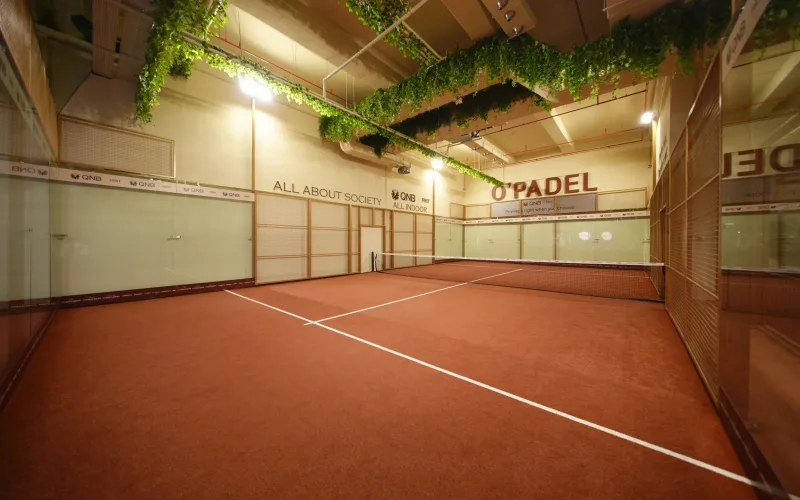
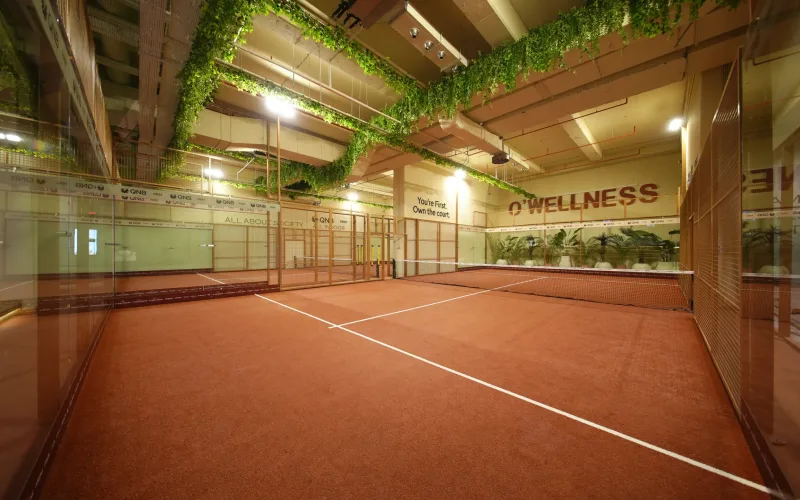



 Padel Courts
