
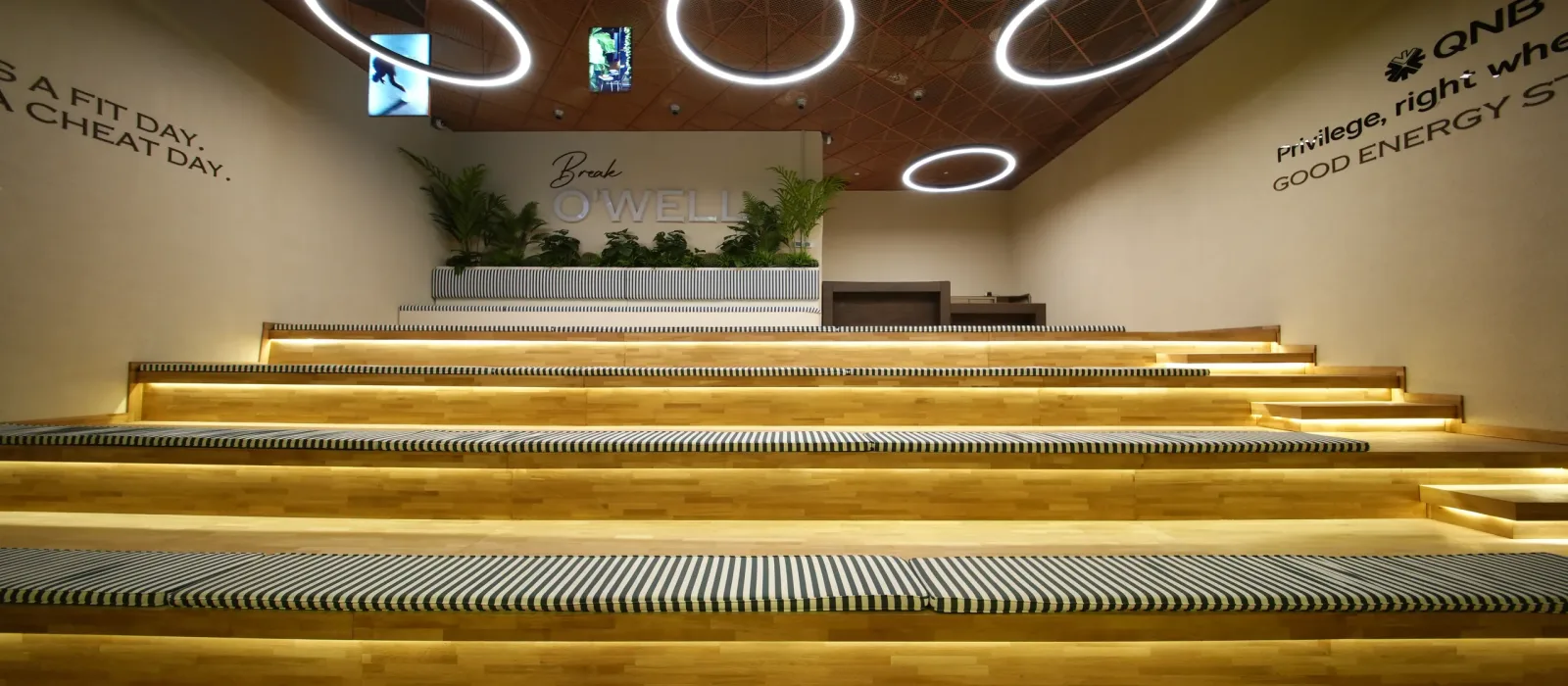
Match-watching culture in padel, is both entertainment and a learning tool. Watching a live tournament match or a professional encounter from the right perspective can build tactical understanding faster than hours of training. However, most spectators are busy following the ball and do not look where the real information lies, namely the players' positioning and decision-making patterns. In this article we cover how to watch a padel match, what to pay attention to and spectator etiquette.
Spectator Etiquette
Because padel is played on glass-walled courts, spectators are very close to the players. This closeness calls for some rules.
- Stay quiet during the point. Talking, movement and noise break the player's concentration. Applauding and reacting once the point ends is normal.
- Stay still behind the glass. Movement behind the glass enters the player's field of vision and distracts.
- Take special care during the serve. Do not disrupt the server's routine.
- Phone on silent. Do not use flash; it is especially disturbing on an indoor court.
- Do not shout tactics. Coaching a player from outside the court is frowned upon even in amateur matches and is a rule violation in some tournaments.
- Appreciate both sides. Applauding a good shot, whoever makes it, is part of padel culture.
- Do not react to mistakes. Laughing at a player's mistake or reacting negatively is incompatible with sportsmanship.
- Do not enter the court. When the ball goes out of the court, the players retrieve it; spectators do not intervene.
- Change your seat between games. Moving during a point is distracting.
Watch the Players, Not the Ball
The biggest viewing mistake is keeping your eyes on the ball all the time. Where the ball is, is obvious anyway; the real information is in what the players are doing.
Watching a point in three different ways
- 1st viewing (ball-focused): Normal viewing; to understand what is happening.
- 2nd viewing (focused on one player): Watching the same point by looking only at one player. Positioning, footwork and preparation become clearly visible.
- 3rd viewing (as a pair): Looking at how a team's two players move together.
If you are watching a recorded match, applying these three viewings to the same point is very instructive.
What to Look For
1. Court position and pair movement
- Does the pair move like a line? The basic positioning principle of padel.
- Does one stay at the net and one at the back? This is usually a mistake.
- Is a gap opening up in the middle?
- How far are they from the side wall?
2. Timing of the move to the net
- On which ball do they come up to the net? After a bandeja, or after a deep ball?
- Do they come up together?
- Do they split step during the approach?
- How do they fall back when a lob comes?
3. Shot selection
- In the same situation, different players make different choices; why?
- When is a bandeja preferred over a smash?
- In which situations is the lob used?
- When does the chiquita (a low ball dropping at the net player's feet) come?
- How is the risk-safety balance struck?
4. How points end
The most instructive observation. 30-40 points are played in a set; noting how each one ends reveals the structure of the game.
- How many points end with an error, how many with a winner?
- Are points won at the net or at the back?
- How many shots long are the rallies?
- Which shot wins the most points?
5. Footwork
- Split step timing.
- Pattern of approaching the wall: do they go turning sideways?
- Speed of returning to position after the shot.
- Working in a low position; are the knees bent?
6. Partner communication
- Who takes the balls down the middle, and how is it decided?
- What do they say between points?
- How do they react after a mistake?
- What is the body language like?
7. Tactical changes
- What do they change when they fall behind?
- Do they find the opponent's weak point? When?
- Do they change the direction of the serve?
- Do they control the tempo?
8. Behavior on critical points
- Does the game change at 30-30 and golden point situations?
- Do they play more cautiously or more aggressively?
- Are their routines maintained?
Left and Right Player Roles
In padel the roles of the two players are different; watching this noticeably improves your understanding of the game.
- Right-side player: Generally more consistent and control-oriented; builds the game, does not make errors.
- Left-side player: Generally the finishing role; closes the point with smash and víbora.
- Balls down the middle: Mostly come to the left-side player's forehand zone; for this reason the left player generally takes them in the middle.
- Viewing tip: Counting how many points each player finishes shows how the roles are distributed.
Watching the professional equivalent of the side you play is the most direct way to learn.
Difference Between Live Matches and Recordings
Advantages of live matches
- You see the whole court; the camera angle does not limit you.
- You perceive ball speed and the sound of the shot realistically.
- You hear the players' communication.
- Atmosphere and energy.
- You can follow one player from start to finish.
Advantages of watching recordings
- Pause, rewind and slow motion.
- Watching the same point several times with different focuses.
- Examining technical details.
- Tactical insight from commentators.
- Comparison with your own game.
The ideal approach: learn the overall flow of the game from live matches and the technical and tactical details from recordings.
Be Careful When Learning from Professional Matches
- Take the physical difference into account. Trying to imitate the speed and power level of professionals is not realistic.
- Learn the pattern, not the speed. Elbow height, contact point and positioning patterns can be learned.
- Tactics are the most transferable knowledge. Positioning, shot selection and reading gaps are applicable at every level.
- Also watch matches at your level. Club tournaments offer examples closer to your own game.
- Focus on a single topic. Watching a match saying “today I will only look at moves to the net” is more productive.
Watching a Tournament: Practical Notes
- Arrive early. Watching the warm-up is also instructive; the professionals' warm-up routine is informative.
- Walk around the different courts. Seeing matches at different levels allows for comparison.
- Take notes. Short notes on your phone; to talk about with your coach afterwards.
- Chance to talk to a player: In amateur tournaments, a post-match chat may be possible; a polite question is usually well received.
- Watch your own category. Matches at the same level give the most transferable knowledge.
- Watch the final, but the early matches too. Early rounds have more mistakes and therefore more to learn.
The Value of Watching Together
Watching a match with your partner or play group can be more productive than watching alone.
- Different observations emerge.
- Tactical discussion deepens understanding.
- A shared tactical language forms with your partner.
- The question “What would we do in this situation?” is very instructive.
- In-club match-viewing events strengthen community bonds.
Turning Watching into Training
- Take notes after the match. Write down 2-3 things you noticed.
- Try one thing. In your next match, try to apply a single tactic you observed.
- Share with your coach. “In this situation the pros do it like this; how can I apply it?”
- Compare with your own recording. What do you do in the same situation?
- Do not overdo it. Taking away five changes from every match is not feasible.
Conclusion
Watching a padel match is a powerful learning tool when approached from the right perspective. The key is, instead of keeping your eyes on the ball, to look at the players' positioning, the timing of their moves to the net and how points end. Watching the same point first focusing on the ball, then on a single player, then on a pair offers three different layers of information. Rather than imitating the professionals' speed, learning their patterns and tactical decisions is the most transferable approach. As a spectator, the basic rule is simple: stay quiet and still during the point, and appreciate both sides when the point ends.
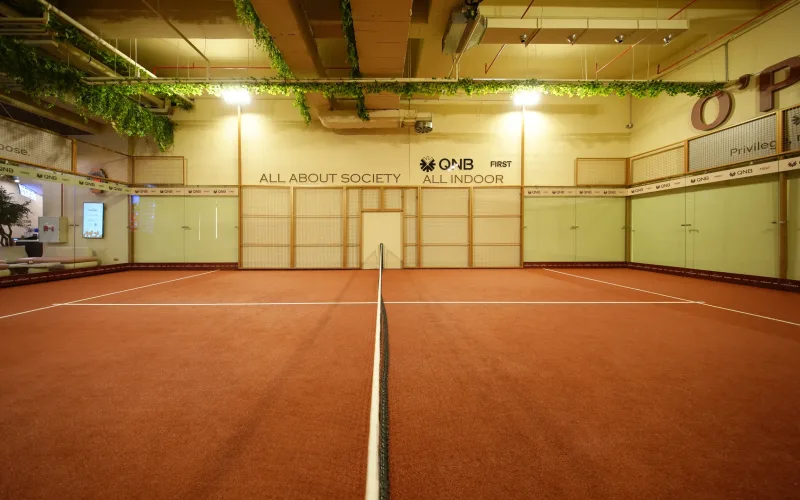
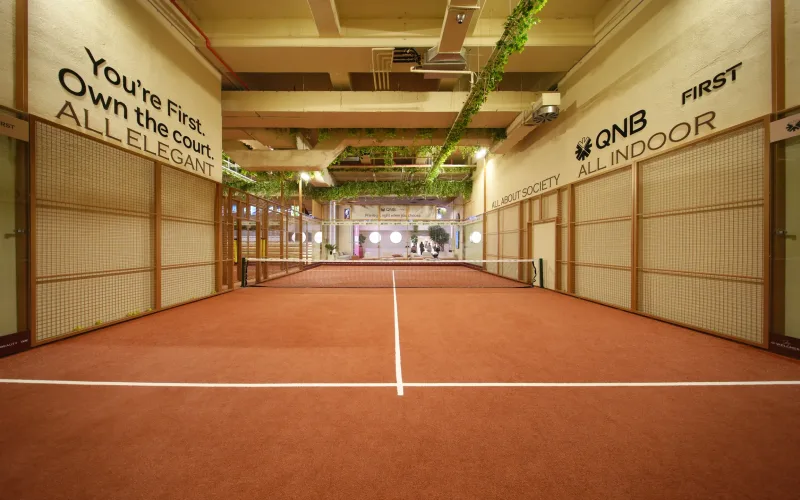
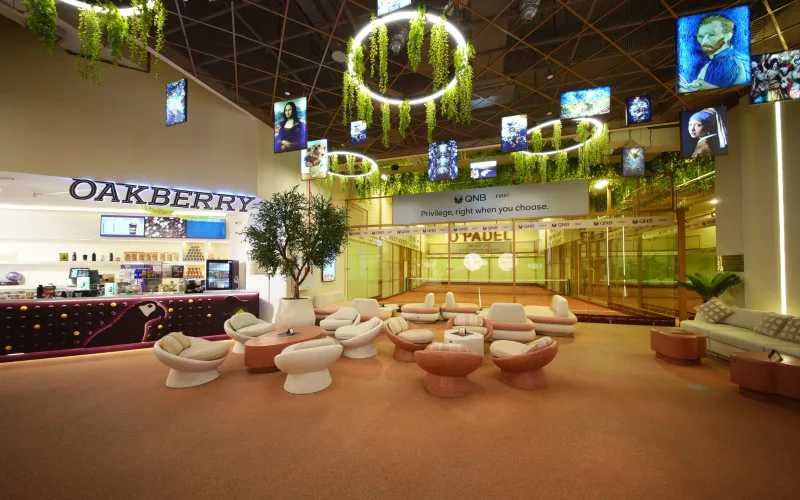


 Padel Courts
