
Post-tournament recovery is a planned process that helps the body and mind return to balance after one or more intense matches. In short, good post-tournament recovery is an approach that spreads cool-down, fluid and nutrient replenishment, quality sleep, light movement and, when needed, supportive therapies across a set timeline. In this article, we present this process as a practical protocol split over the first 48 hours.
As the O’Padel Sky coaching team, let us say up front: the suggestions here are a framework based on general recovery principles and are not a substitute for medical advice. If you experience symptoms such as sudden, severe or persistent pain, swelling, dizziness or chest pain during or after a tournament, see a doctor without delay. If you have a chronic health condition, plan your recovery practices with your doctor. Feel free to adapt the protocol to your own pace.
Why Does a Tournament Require Special Recovery?
In a normal match, the body goes through a single period of exertion. In a tournament, multiple matches on the same day, long waits between matches, irregular eating and intense mental pressure all come together. This cumulative load can cause more fatigue than usual in the muscles and joints.
In addition, padel’s movement patterns, with frequent changes of direction, crouching and overhead shots, build up load especially in the legs, hips, shoulders and forearms. Feeling delayed-onset muscle soreness in these areas in the days after a tournament is common. Part of the fatigue you feel in the days after a tournament is mental; low motivation or not wanting to return to the court is also a natural reaction. A deliberate recovery process helps you return to your next training session or match better prepared.
- Cumulative physical load: Back-to-back matches put extra load on muscles and joints.
- Fluid and energy loss: Sweat and energy expenditure increase over a long day.
- Mental fatigue: Constant concentration and pressure tire the mind.
- Disrupted routine: Meal and sleep patterns can be disrupted on tournament day.
0–2 Hours: Right After the Tournament
The first hours form the foundation of the recovery process. The goal in this period is to help the body shift into rest mode in a controlled way and start replacing what was lost.
- Cool-down (5–10 min): Gradually lower your heart rate with light walking and breathing exercises on or beside the court.
- Light stretching: Gentle stretches for the hips, calves, quads, chest and shoulders.
- Rehydration: Start drinking water or an electrolyte drink before you feel thirsty.
- Dry clothes: Change out of wet clothes; this keeps you from getting chilled, especially in cold weather.
- Recovery meal: A balanced meal with carbohydrates and protein within the first hour or two.
For cool-down and stretching routines, see post-padel cool-down and stretching, and for fluid balance, see padel and hydration articles.
Summary
- First 2 hours: Cool-down, light stretching, rehydration, dry clothes and a balanced recovery meal.
- First night: Good-quality, sufficient sleep is one of the most fundamental parts of recovery.
- 24–48 hours: Light active recovery, mobility work and paying attention to your body's signals.
- If you feel sudden, severe or persistent pain, stop playing and see a doctor.
2–12 Hours: The Evening and First Night
The evening after a tournament is when your body's recovery processes ramp up. What you do in these hours largely determines how you'll feel the next day.
Nutrition
For dinner, choose a balanced plate with vegetables, quality protein and carbohydrates. If you didn't eat enough during the day, this meal is important for replenishing your energy stores. Heavy, very fatty and late-night meals can hurt your sleep quality. You'll find general recommendations in our padel nutrition guide. If you have a specific diet plan or a health condition, consult your doctor or a dietitian.
Sleep
Sleep is one of the most powerful recovery tools. The excitement and adrenaline of tournament day can make it hard to fall asleep. Staying away from screens before bed, taking a warm shower, keeping the room cool and dark, and avoiding caffeinated drinks in the evening can help.
Mental closure
Whether you won or lost, don't let the celebration or the disappointment disrupt your sleep. Wrapping up the tournament with a brief review helps clear your mind of the thoughts that piled up during the day. Note three things that went well and one thing you want to improve, then put the tournament behind you. For the mental side, see padel tournament psychology article.
Recovered and ready to get back on court? Book a court now for your next practice match.
12–24 Hours: The Next Day
The day after a tournament is when delayed-onset muscle soreness can become noticeable. Rather than spending the day completely inactive, many players find light active recovery more comfortable.
| Option | Duration (approx.) | Note |
|---|---|---|
| Brisk walk | 20–40 min | Low intensity, at a conversational pace |
| Easy cycling | 20–30 min | Low load on the joints |
| Swimming | 20–30 min | At an easy pace, without pushing |
| A mobility routine | 10–15 min | Hips, thoracic spine, shoulders |
Active recovery is not a high-intensity workout; the goal is to support circulation and move your body gently. If any movement noticeably increases your pain, stop doing it. Doing active recovery with a friend or your partner can also be an enjoyable chance to review the tournament. For mobility, our padel mobility routine article offers a practical 10–15 minute routine.
Hydration and nutrition continue
Keep up regular fluid intake and balanced meals the day after the tournament as well. Limiting caffeinated and alcoholic drinks makes it easier to maintain fluid balance. Pale yellow urine is generally a simple sign that your hydration is on track.
Stretching and foam rolling
Many players find a short stretching session or a light foam-rolling session the next day relaxing. You can focus on the hip flexors, calves, quads and hamstrings, as well as the back and shoulders. It's important to use the foam roller with slow, controlled movements rather than pressing hard into sore spots. Avoid rolling directly over bony prominences and joints.
24–48 Hours: Preparing to Return to Training
The second day is the time to assess how your body has recovered and plan your return to training. If muscle soreness is easing and your energy levels are back to normal, you can consider a light technical session or a low-tempo match.
- If pain is easing: A light training session or technical work is fine.
- If pain persists: Continue active recovery for another day.
- If you have joint pain, swelling or limited range of motion: Take a break from playing and see a doctor or a sports physiotherapist.
- If general fatigue and sleep problems continue: Reduce your load and prioritize rest.
It's important to tell muscle soreness apart from injury pain. General, widespread muscle soreness usually eases within a few days, while sharp pain at a specific spot, pain that gets worse with movement or pain accompanied by swelling may point to an injury. For specific problem areas, our knees and ankles in padel, padel shoulder injuries and tennis elbow and padel articles provide general information; they are not a substitute for medical evaluation.
Supporting Practices: Sauna, Massage and Cold Therapy
Many players use sauna, steam, sports massage or cold plunge as part of their post-tournament recovery. The effects of these practices vary from person to person, and not all of them are suitable for everyone. Think of them as additions to your core recovery habits, not replacements; without good sleep and balanced nutrition, no add-on will deliver the expected benefit.
- Sports massage: Many players find it relaxing; it can be a good choice the day after an intense tournament.
- Sauna and steam: It can be relaxing, but since it can increase fluid loss, drink enough fluids before and after.
- Cold plunge: Used by some athletes; caution is needed because of the risks of sudden cold exposure.
If you have a cardiovascular condition, high or low blood pressure, are pregnant or have any other health issue, be sure to consult your doctor before using heat or cold therapies. For more on cold therapy, see cold plunge for padel players, and for general recovery strategies, see padel recovery guide articles.
At Skyland Istanbul, O’Spa Sky offers sauna, steam, cold plunge and sports massage, while sports physiotherapy support at O’Athletic Sky can be a point of contact for assessment if you suspect an injury. Having them in the same complex makes it easy to follow your recovery plan the day after a tournament without going anywhere else. For options, see recovery and wellness page.
Starting Your Next Tournament Prep with Recovery
Post-tournament recovery is also the first step in preparing for your next tournament. The observations you collect during this period are a valuable resource for shaping your training plan.
- Which areas got most tired? Legs, shoulders or forearms? You can step up strength and mobility work for those areas.
- When did your energy drop? Adjust your nutrition and hydration plan according to the time of day when fatigue set in.
- How was your sleep? Review your sleep patterns before and after the tournament.
- How long did recovery take? Plan your next tournament schedule accordingly.
Sharing these observations with your coach makes it easier to build a personalized preparation program. To strengthen your conditioning base, we recommend our conditioning program for padel, and for leg and core strength, our leg strength for padel articles. For tournament-day preparation, our padel tournament bag article also offers a practical checklist.
Common recovery mistakes
- Heading home right after the tournament without cooling down.
- Not drinking enough during the day and trying to make up for it all at once in the evening.
- Staying up late to celebrate.
- Playing an intense training session or match the next day despite pain.
- Ignoring sharp pain at a specific spot by writing it off as “normal fatigue.”
Each of these mistakes may seem minor on its own, but together they can prolong recovery and raise your injury risk. Simple, consistent habits are often more effective than complicated routines.
Conclusion
Post-tournament recovery is a planned process that runs from cooling down and rehydrating in the first 2 hours to sleep on the first night, from active recovery the next day to assessing your return to training at the 48-hour mark. Applied while listening to your body, this protocol helps you come back better prepared for your next match; with sudden or persistent pain, the first step is always to see a doctor. Located at Skyland Istanbul in Sarıyer's Huzur neighborhood, O’Padel Sky, together with O’Spa Sky and O’Athletic Sky in the same complex, makes it easy to plan both your tournament and your recovery in one place. For the tournament calendar, check out our tournaments and leagues page, plan your return to the court on our when making your court reservation page, and get to know our courts on our padel courts page.
FAQ
For many players, light active recovery feels better than staying completely inactive. However, if you have pain or suspect an injury, prioritize rest and consult your doctor.
Masking pain with medication while playing can worsen an underlying injury. Always get your doctor's advice on medication use and returning to play.
No. Recovery time depends on factors such as tournament intensity, fitness level, age and sleep. The 48-hour plan is a general framework; you should adapt it to your body's signals.
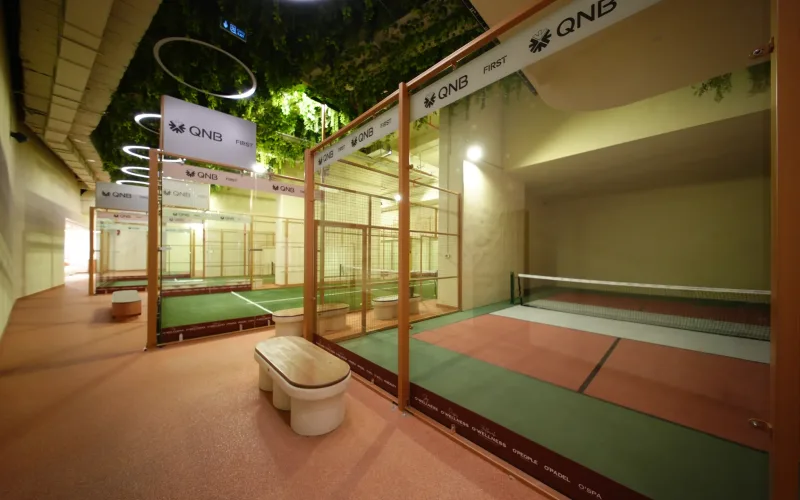
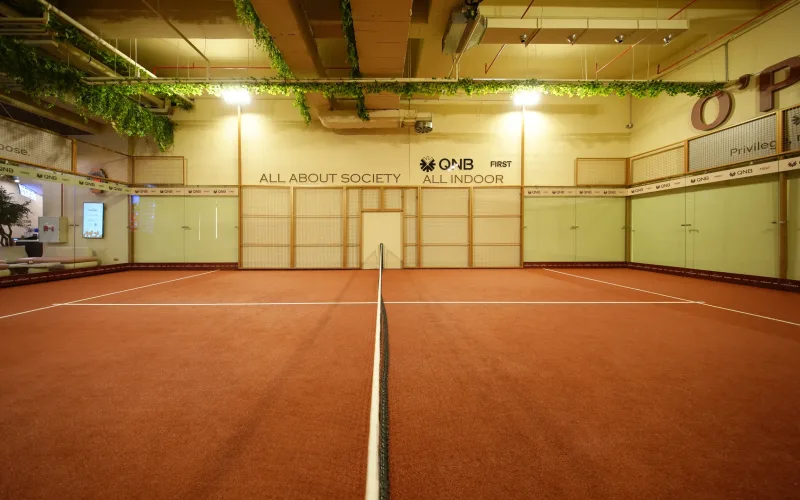


 Padel Courts
