
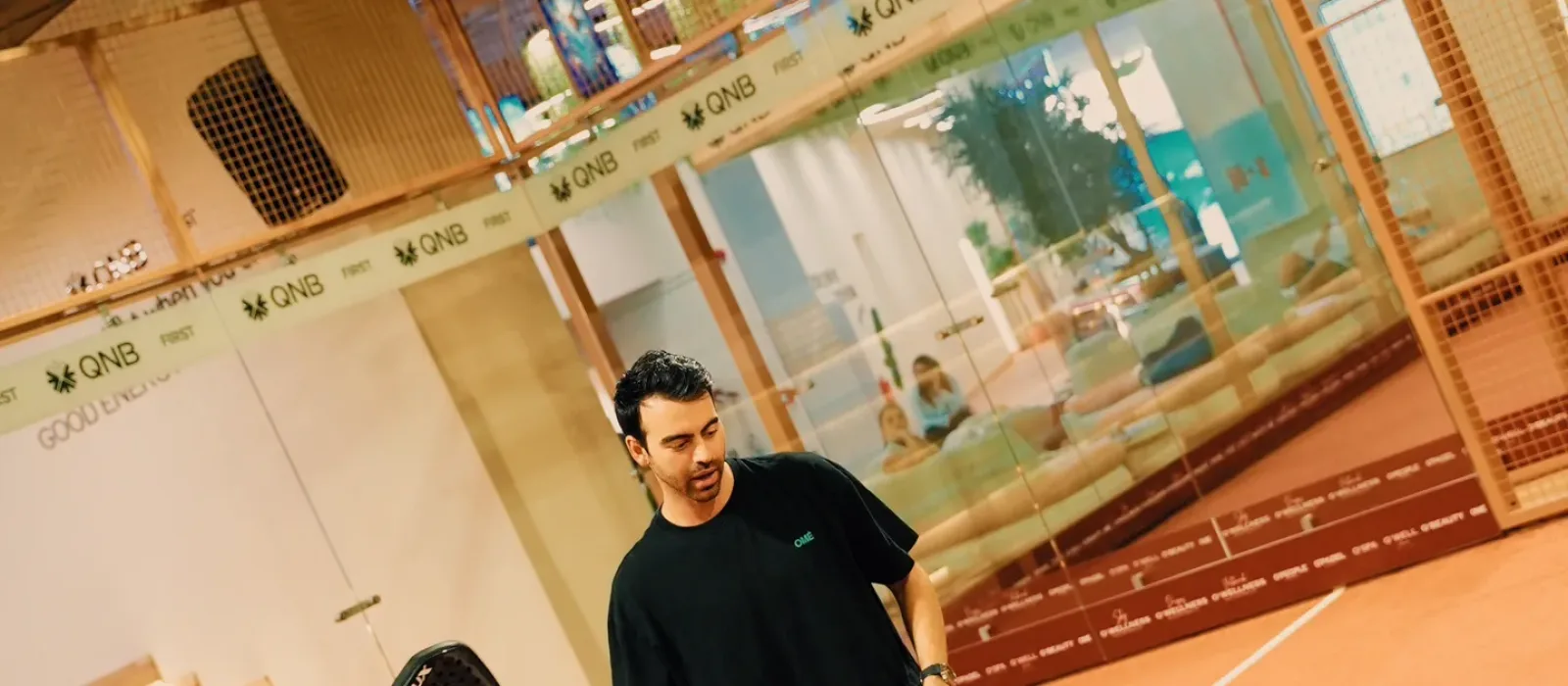
Padel clothing consists of breathable sportswear that allows freedom of movement and wicks sweat away quickly, plus padel shoes suited to sand-filled artificial turf. In short, what to wear for padel is similar to tennis attire, but it's a distinct choice when it comes to shoes and playing conditions. The right clothing boosts your performance, keeps you comfortable and helps reduce some injury risks.
In this article, the O’Padel Sky coaching team breaks down padel clothing piece by piece: tops, bottoms, shoes, socks and accessories. We also share what changes when playing on an indoor, climate-controlled court in winter, practical outfits for summer and winter, and care tips to extend the life of your clothing.
Key Principles of Padel Clothing
Padel is a dynamic sport with frequent changes of direction, crouching, sudden sprints and overhead shots. Your clothing should not restrict these movements, get heavy when you sweat or irritate your skin. Looking at these functional criteria before brand or design is the foundation of the right choice.
- Freedom of movement: Cuts that allow comfortable movement at the shoulders, hips and knees.
- Moisture management: Technical fabrics that wick sweat away from the skin.
- Breathability: Mesh panels or lightweight fabrics that help release heat.
- Correct size: A balanced fit that neither squeezes the body nor catches when you move.
- Durability: Seams and fabrics that withstand frequent washing and contact with the ground.
Cotton T-shirts may be comfortable for everyday wear, but they tend to absorb sweat and get heavy. In a long, fast-paced match, a wet, heavy T-shirt reduces your comfort and can make you chill after the match. That's why synthetic or blended technical fabrics are usually a better choice.
Choosing Tops and Bottoms
Tops
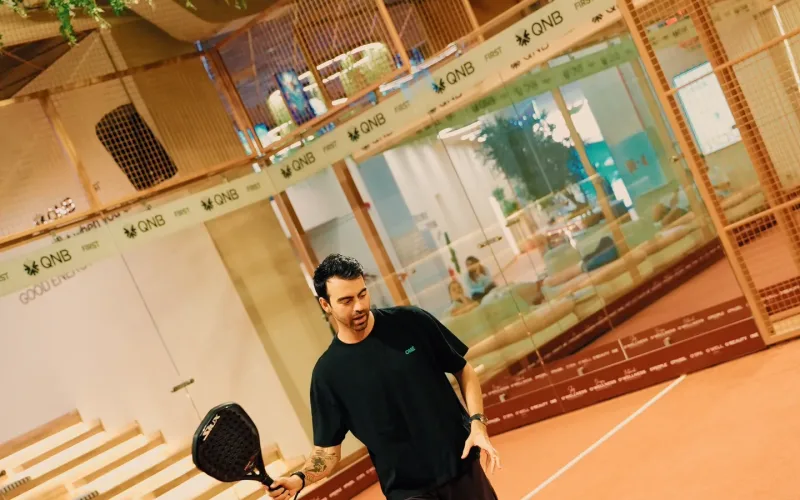
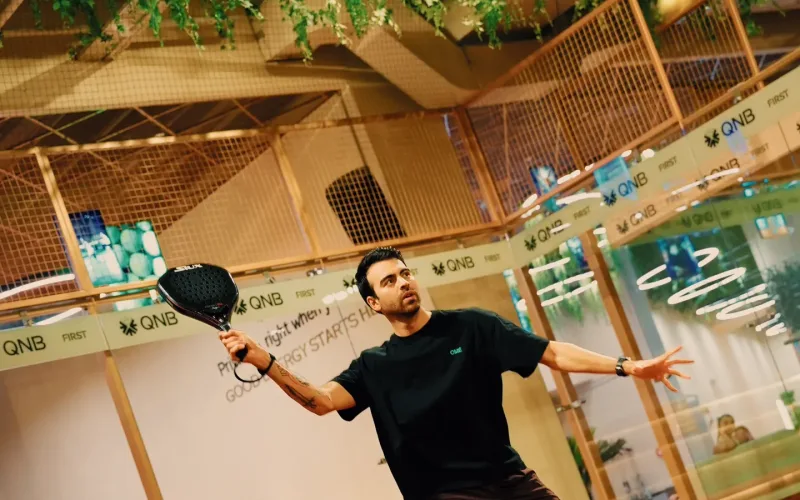
Short-sleeved or sleeveless technical T-shirts are the most common choice in padel. In overhead movements like the smash, bandeja and serve, it's important that your arms and shoulders move freely; so choose lightly stretchy models with shoulder seams that don't restrict movement. Slim cuts don't create wind resistance but shouldn't be too tight; slightly looser cuts improve ventilation.
Bottoms
Men usually prefer shorts, while women choose shorts, leggings-shorts or skort combinations. What matters is that the fabric doesn't restrict you when crouching or side-stepping, and that there are pockets to carry balls. In padel, keeping the second ball in your pocket before serving is a common habit, so deep, secure pockets are a practical advantage.
Long leggings or track pants can be worn especially in cold weather and during warm-ups. Choosing stretchy, breathable fabrics for these pieces prevents overheating as the match goes on.
| Item | Recommended | Avoid |
|---|---|---|
| T-shirt | Technical, moisture-wicking, lightweight fabric | Thick cotton T-shirt |
| Shorts / skirt | Stretchy, with pockets, comfortable cut | Tight, no pockets, thick fabric |
| Leggings | Breathable, compression or stretch | Models that slip and need constant adjusting |
| Socks | Athletic socks, seamless or supportive | Thin everyday socks |
| Shoes | Court shoes suited to padel or sand surfaces | Running shoes, street shoes |
Shoes: The Most Important Item
Shoes are the most critical part of your padel outfit. On sand-filled artificial turf, your shoes need to provide grip while also allowing controlled sliding during lateral movements, stops and turns. Running shoes are designed for forward motion, so their lateral support is usually insufficient, which can increase the risk of ankle sprains.
Padel shoe soles often use herringbone or hybrid patterns. These patterns provide balanced grip on sandy surfaces. Lateral support, forefoot durability and heel cushioning are also important for both comfort and joint health during long matches.
- Try shoes on at the end of the day, when your feet are slightly swollen.
- Try them on with the athletic socks you'll wear in matches.
- Leave about a finger's width of space for your toes at the front.
- Make sure your heel doesn't slip inside the shoe.
- Replace your shoes when the sole pattern wears down; slipping increases.
We covered shoe selection in detail in our article choosing padel shoes . If you have knee or ankle problems, consult your doctor or a sports physiotherapist about shoe choice and possible support products; for general information, see knees and ankles in padel post.
Summary
- Padel clothing should be made of technical, moisture-wicking, breathable fabrics with cuts that don't restrict movement.
- The most critical item is your shoes: choose padel shoes with strong lateral support that suit sand-filled artificial turf.
- On an indoor, climate-controlled court, your match outfit even in winter is close to your summer one; the difference lies in the layers for warming up and heading home.
- Shorts or a skirt with pockets give you a practical advantage for carrying your second serve ball.
What Changes on Indoor Courts in Winter?
Playing on outdoor courts during Istanbul winters requires serious clothing precautions because of the cold, wind and rain. On indoor, climate-controlled courts, the picture is different: since the temperature inside is kept in a comfortable range regardless of the season, your match outfit stays largely the same as in summer. What changes is getting to the court, warming up and heading home.
- On your way to the court: A coat or warm top, long track pants, and your match shoes kept dry in your bag.
- During warm-up: A thin long-sleeved top or light track jacket helps your muscles warm up.
- During the match: For most players, it's more comfortable to remove the layer once warmed up and continue in a short-sleeved technical T-shirt.
- After the match: Change out of your wet T-shirt right away and put on a dry layer; let your body cool down before going outside.
The most common mistake in winter is going out into the cold in sweaty clothes. Showering and leaving in dry clothes keeps you comfortable. Because O’Padel Sky’s indoor courts are climate-controlled, you can play in winter in a match outfit close to your summer one. For the general advantages of indoor courts, Istanbul indoor padel courts article.
Early morning and late evening matches
In early morning sessions like Sunrise Padel, your body isn't fully awake yet, so it helps to wear an extra layer while warming up and spend a few more minutes on your warm-up. After late evening matches, bring a dry top for the cool air outside. For our recommended warm-up routine, pre-padel warm-up article.
Got your outfit ready? Now it's time for the court. Book a time that suits you on our climate-controlled courts, summer or winter.
What to keep in mind in summer
On indoor, climate-controlled courts, the effect of summer heat is greatly reduced; still, you can sweat a lot in an intense match. Light-colored, thin technical T-shirts with mesh panels can be more comfortable at this time of year. Changing into your match outfit at the club, so you don't sweat in the heat on the way, lets you start the match in a dry T-shirt. Don't neglect hydration either; for details, padel and hydration article.
Accessories: Small but Effective
There's no need to overdo accessories; products you don't need only weigh down your bag. Complete the basics first, then add items based on the specific discomforts you experience during matches. The right accessories complement your clothing and eliminate small annoyances during play.
- Wristband: Reduces sweat running into your palm and onto the racket handle.
- Headband or cap: Keeps sweat out of your eyes; a cap is usually unnecessary on an indoor court.
- Athletic socks: Thick-soled, seamless models can reduce friction and blisters.
- Overgrip: Not clothing, but critical for grip comfort; it should be changed regularly if your hands sweat.
- Towel: To dry your hands and face between sets.
For choosing grips and overgrips and how often to change them, see padel grip and overgrip our article. If you want to use additional safety equipment such as eye protection, get advice from your eye doctor, especially if you have a vision-related condition.
Practical Notes for Women and Men
The key principles of padel clothing are the same for everyone: comfort, freedom of movement and moisture management. That said, a few practical details can make a difference.
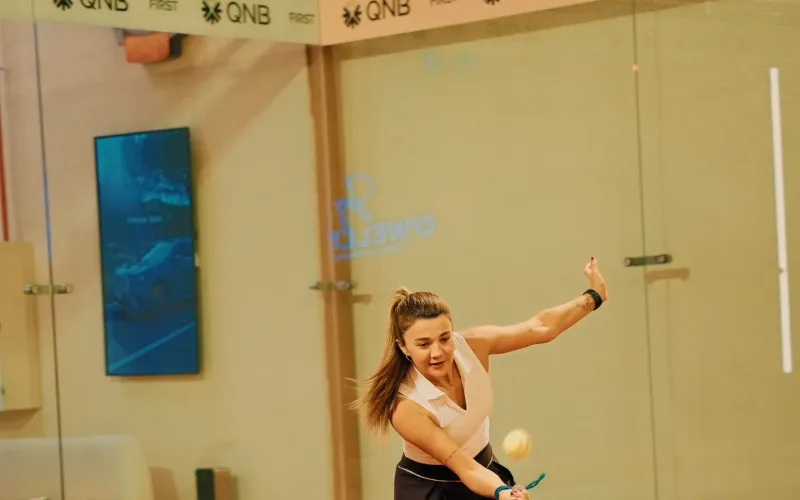
For women, a sports bra with good support is important for comfort during intense movement. Skort combinations offer both freedom of movement and pockets. For men, lined shorts can increase comfort by reducing chafing. For beginner tips specifically for women players, padel for women: getting started article.
Clothing for kids
The same principles apply to children; however, because they grow so quickly, comfortable and durable basic sportswear is enough instead of expensive pieces. Shoes should still be the top spending priority for this age group. For more, padel for kids post.
For tournament and league matches
If you'll play more than one match on tournament day, we recommend bringing at least one spare T-shirt, spare socks and a second wristband. Changing out of a wet T-shirt between matches lets you start the next one more comfortably. If you're playing as a team, matching colors with your partner can be a fun touch. To prepare for tournament day, padel tournament match day post.
Sample padel bag
- Racket and spare overgrip.
- Padel shoes (in a separate compartment or bag).
- Technical T-shirt and shorts/skirt, spare T-shirt.
- Athletic socks and spare socks.
- Wristband, headband, towel.
- Water bottle and a small snack.
- In winter: a thin long-sleeved top for warming up and dry clothes for heading home.
Care and Extending the Life of Your Clothing
With proper care, technical sportswear keeps performing for a long time. Improper washing, on the other hand, can gradually reduce the fabric's moisture-wicking ability and stretch.
- Don't leave sweaty clothes in your bag for long after a match; odor and bacteria build up.
- Follow the label instructions; washing technical fabrics at low temperatures is usually recommended.
- Fabric softener can reduce the moisture-wicking ability of some technical fabrics.
- Take your shoes out of your bag after a match and let them air out; clean the sand from the soles.
- Wear your shoes only on court; wearing them on the street wears down the soles quickly.
Conclusion
The right padel outfit comes down to a comfortable top and bottom made of technical, breathable fabrics, shoes suited to sand-filled artificial turf, and a few functional accessories. If you play on an indoor, climate-controlled court, your match outfit barely changes even in winter; what matters is managing your layers properly on the way in, while warming up and on the way home. At O’Padel Sky, located at Skyland Istanbul in Sarıyer’s Huzur neighborhood, the courts are kept at a comfortable temperature year-round, and the locker rooms and showers make it easy to leave in dry clothes after your match. You can plan your court time on our padel courts page, plan your first match on our when making your court reservation page, and for your first steps, padel lessons check out our options.
FAQ
For a first try, it usually isn't a problem, but running shoes offer limited lateral support. Once you start playing regularly, we recommend switching to padel shoes suited to sandy surfaces.
No. Padel has no general white-clothing requirement. Some tournaments may have their own dress codes; check the organizer's rules before taking part.
Some players find compression garments comfortable. Their effects can vary from person to person; if you have circulation problems, consult your doctor before using them.


 Padel Courts
