
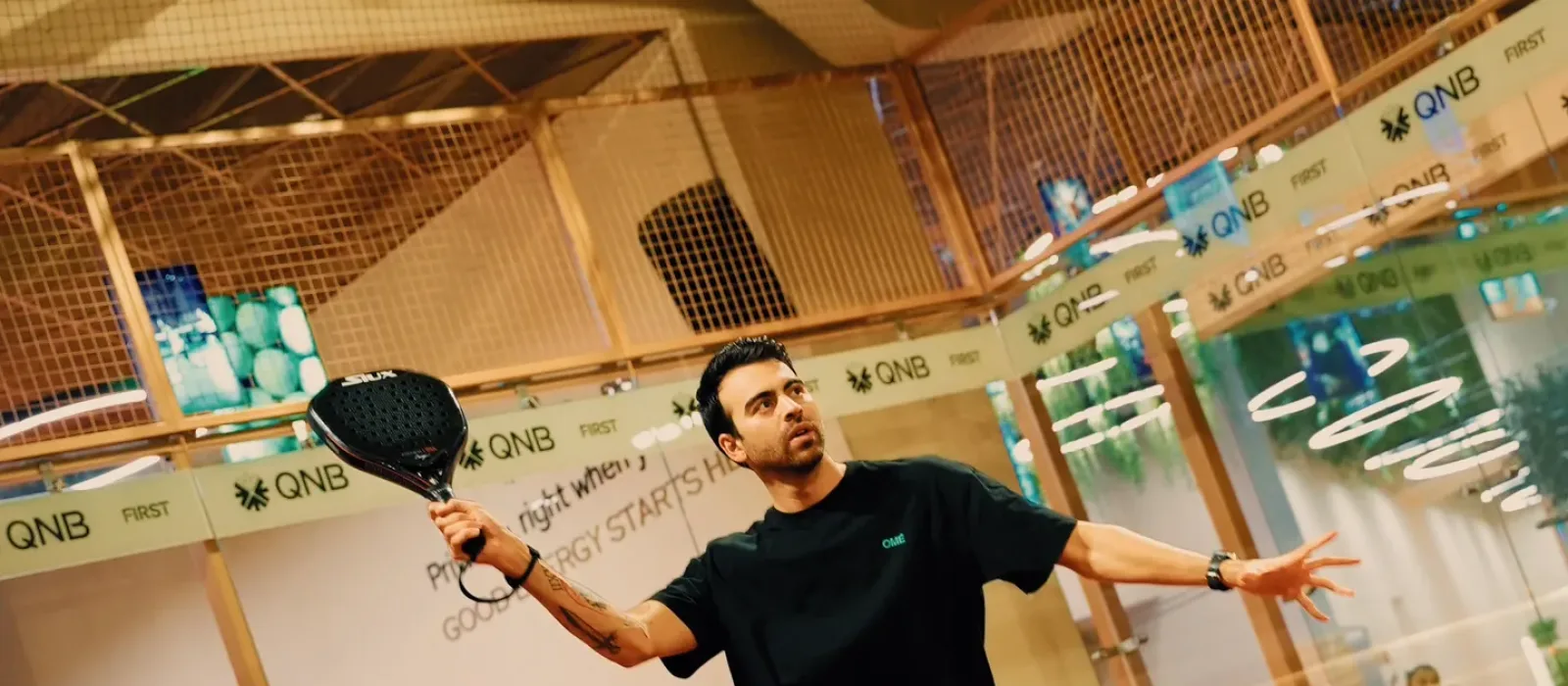
Choosing a padel coach is one of the most important decisions determining how quickly someone new to the game improves. The right instructor helps you set up your basic technical patterns correctly from the start; the wrong choice can give you habits you will spend years correcting. In this article we cover twelve criteria you can use when evaluating a padel coach in the Sarıyer and Skyland area, the questions to ask in the first lesson, and the differences between lesson formats.
1. Padel-Specific Experience
A tennis coaching background provides a valuable foundation, but padel is a game of its own. Use of the walls, the bandeja, the víbora, net positioning, and doubles dynamics are markedly different from tennis.
- Ask how many years the coach has been playing and teaching padel.
- Has the coach completed a padel-specific coaching program?
- If they come from tennis, how long was their transition to padel?
- Do they actively play in tournaments?
A coach with a tennis background is strong in footwork and basic stroke mechanics; but to teach padel tactics and wall play, game-specific experience is needed.
2. Methodology and Lesson Structure
A good coach's lesson doesn't consist of rallying at random. A structured lesson typically has these sections:
- Warm-up and dynamic mobilization (8-10 minutes).
- Technical focus: the single shot or skill the lesson targets.
- Drill work: number of repetitions and controlled conditions.
- In-game application: trying out the learned skill in a match-like situation.
- Wrap-up and feedback: what was worked on, what is the next step?
At the end of a lesson, the question “what did we work on today” should have a clear answer. If not, the lesson structure is weak.
3. Do They Assess Your Level?
A coach who doesn't assess your current level in the first lesson, what will they build the program on? A good start looks like this:
- Observing your basic strokes.
- Evaluating your footwork and positioning skills.
- Testing your comfort with wall play.
- Asking about your playing background (tennis, squash, badminton experience).
- Clarifying your goals: social play or tournaments?
4. Communication Style
As important as technical knowledge is the ability to convey that knowledge.
- Clear language: Concrete, actionable instructions instead of excessive technical jargon.
- One correction at a time: Trying to fix five things at once hinders learning.
- Positive feedback: Only pointing out mistakes lowers motivation.
- Demonstration: Being able to show the movement rather than just describe it in words.
- A space for questions: An atmosphere where you are not afraid to ask.
5. Goal Orientation
Someone taking lessons for social play and someone preparing for a tournament should not follow the same program. The coach needs to adapt the program to your goal.
- Social play goal: Basic strokes, positioning, enjoyment of the game.
- Level-up goal: Bandeja, víbora, wall play, tactics.
- Tournament goal: Match management, decision-making under pressure, conditioning.
- A specific weakness: For example the backhand or returning serve.
6. Lesson Format Options
Private lesson (1-on-1)
- All attention on you; highest number of repetitions.
- The most effective format for technical correction.
- Highest cost.
- Limited for working on doubles dynamics.
Pair lesson (2 people)
- The cost is shared.
- Partner communication can be worked on.
- Rest intervals occur naturally.
- You need to find a partner of a similar level.
Group lesson (3-4 people)
- The most economical option.
- Real doubles situations are worked on.
- Strong social component.
- Little individual correction time.
Clinics and intensive camps
- 2-3 hour sessions focused on a specific topic.
- For example a “bandeja clinic” or a “serve workshop.”
- Used as a complement rather than a replacement for regular lessons.
A practical approach: technical correction with one private lesson a month, application and game practice with a weekly group lesson.
7. Do They Use Video Analysis?
Watching your own stroke has a much faster effect than a verbal correction. Most players are surprised to see how different their own movement is.
If the coach takes short recordings with a phone and shows them in the lesson, that is a clear plus. Slow-motion review is especially valuable for complex movements such as the serve and the bandeja.
8. Knowledge of Physical Preparation
Padel is a sport that involves sudden changes of direction, lateral movement, and overhead shots. A good coach knows the importance of warming up and provides basic knowledge on injury prevention.
- Do they start the lesson with a dynamic warm-up?
- Do they give recommendations on shoulder and knee health?
- Do they recommend off-court strength work?
- Do they adapt the lesson intensity when you report pain?
Note: a coach is not a health professional. In case of pain or injury, an evaluation by a physician or physiotherapist is needed.
9. Program Continuity
- Is there a progression plan between lessons?
- Do they remember the topic of the previous lesson?
- Do they suggest homework or work you can do on your own?
- Do they evaluate progress at regular intervals?
An approach that starts every lesson from scratch makes no difference after months.
10. Logistics and Accessibility
- Do the lesson times fit your schedule?
- Is court booking included in the lesson fee?
- What is the cancellation policy?
- Is the court location convenient in terms of transport?
- If you live around Sarıyer, Maslak, and Levent, a central location like Skyland noticeably increases consistency.
11. References and Community
- Ask other players at the club about the coach.
- Are there players who have worked with the same coach for a long time? That is a good sign.
- Do the coach's students take part in tournaments?
- Is a trial lesson possible?
12. Trial Lesson
No criterion gives as much information as a trial lesson. What to look for in a trial lesson:
- Is the lesson structured, or does it proceed haphazardly?
- Did you feel comfortable and open to asking questions?
- Did you feel you learned something concrete by the end of the lesson?
- How long did the coach talk, and how long did you hit balls?
- Did you get a clear suggestion for the next step?
8 Questions to Ask in the First Lesson
- What goals are realistic in the first three months for someone at my level?
- How many lessons and how many free play sessions per week do you recommend?
- What topics will we work on, and in what order?
- Do you have recommendations for choosing a racket and shoes?
- What should I do off the court?
- When can I join group lessons or game nights?
- How will we measure my progress?
- When will I be ready for a tournament?
Warning Signs
- Only feeding balls throughout the lesson and never giving corrections.
- Piling on too many corrections at once.
- Being busy with a phone or giving attention elsewhere.
- Saying “keep going, it'll pass” when you report pain.
- Exaggerated promises: “you'll be a tournament champion in three months.”
- Being unable to give a clear answer when asked about the lesson plan.
- Only showcasing their own game, not focusing on teaching.
Conclusion
The right padel coach is not the most experienced player; it is the person who gives structured lessons suited to your level and goal and communicates in a clear way. The step that gives the most information in an evaluation is a trial lesson: the structure of the lesson, the number of corrections you receive, and whether there is a clear next step at the end say most of what you need to know. When weighing options around Sarıyer and Skyland, also factoring in ease of transport offers the most practical way to make lessons regular.
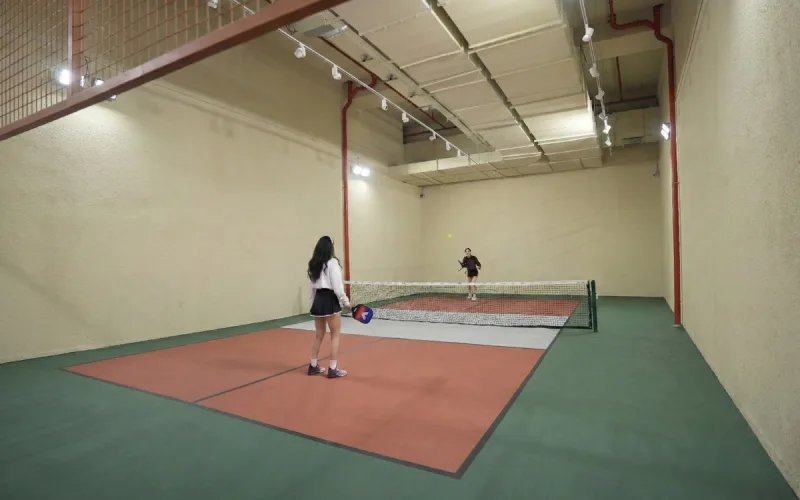
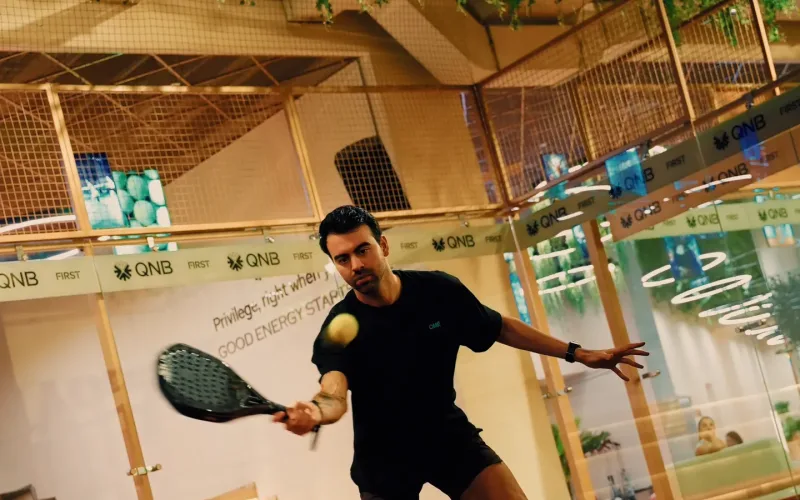


 Padel Courts
