
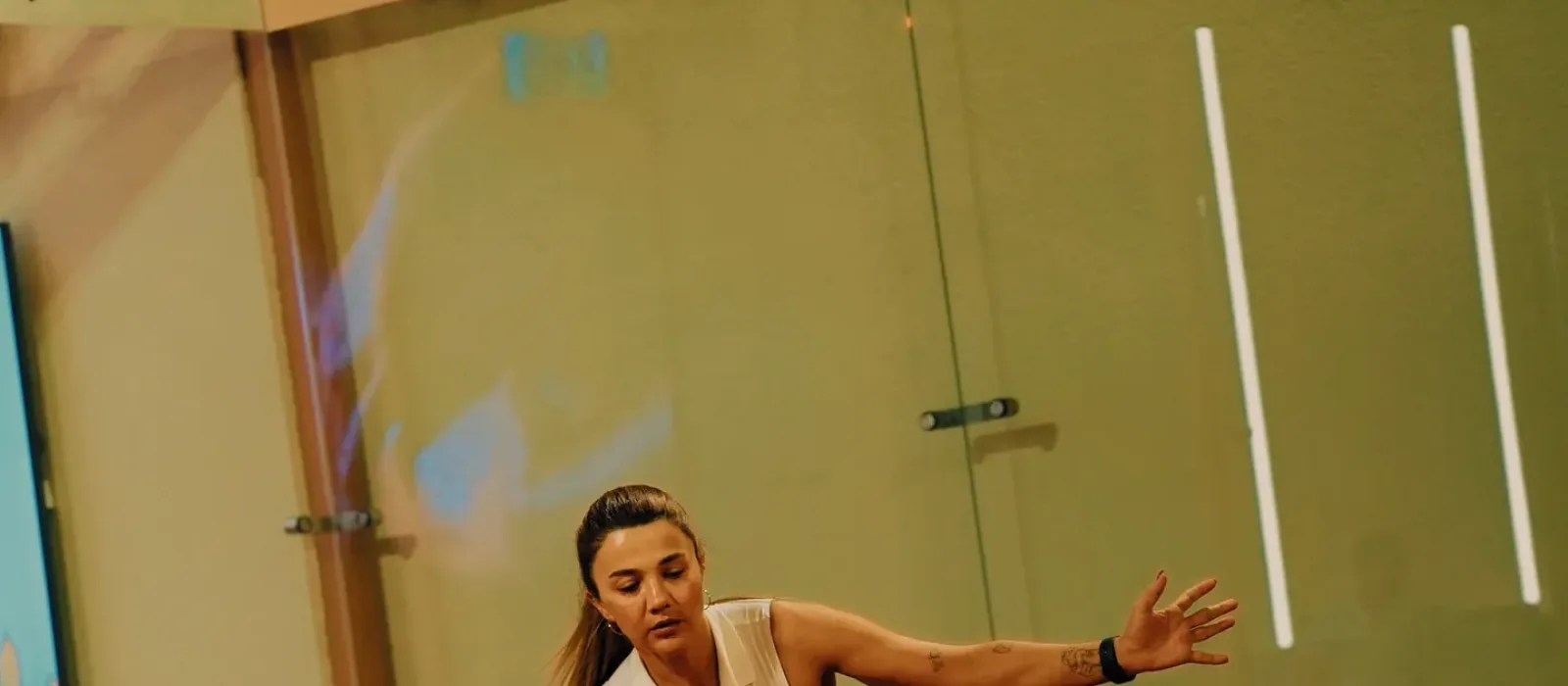
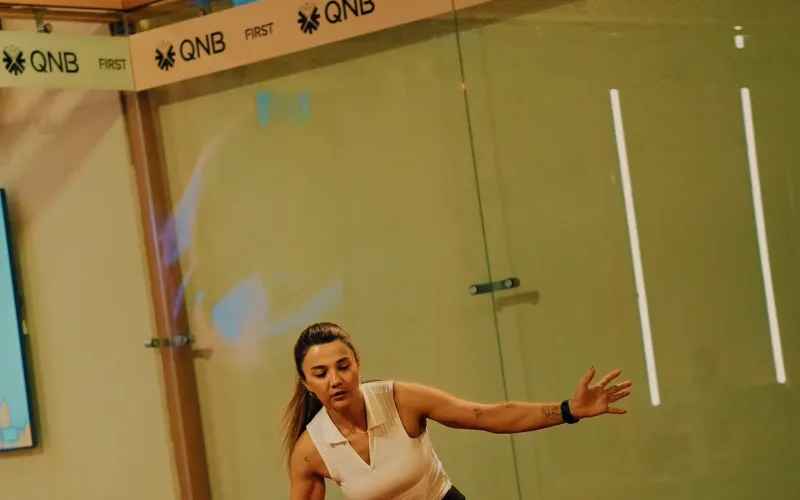
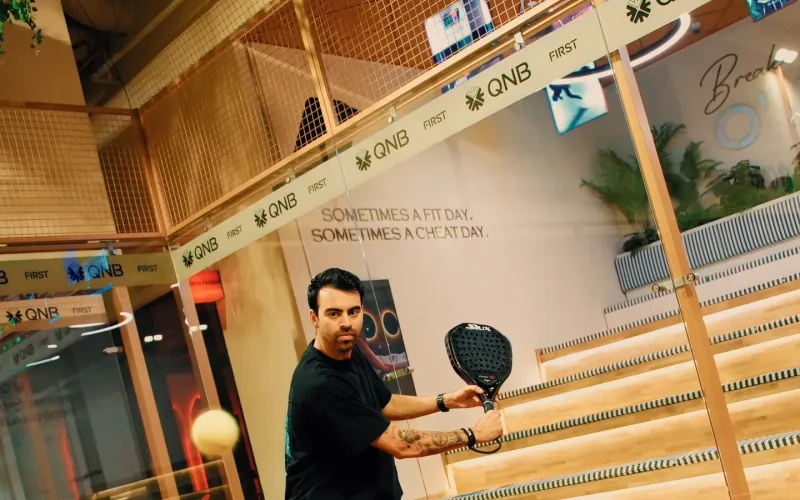
Solo padel trainingis the way to keep improving on days when you cannot find a partner. Because padel is a doubles game, solo work has its limits; but there are many effective exercises you can do alone to reinforce technical patterns, improve serve consistency and develop footwork. In this article we cover drills you can do alone on court, wall work, shadow play and practices you can do at home.
Advantages of Solo Training
- Repetition count: You can do hundreds of repetitions without waiting for anyone.
- Focus: Full concentration on a single technical detail.
- Flexibility: No scheduling issues.
- No pressure: You can experiment without the social cost of making mistakes.
- Video analysis: You can record yourself and review it immediately.
Limitations
- Real game reading and anticipation do not develop.
- Partner communication cannot be practiced.
- Decision-making under opponent pressure cannot be practiced.
- Reacting to variable balls is limited.
For this reason, solo training sits alongside group lessons and open play, not in place of them.
1. Serve Practice: The Most Productive Solo Work
The serve is the only shot in padel that is entirely under your control, and it does not require a partner.
Structured serve session (20-25 minutes)
- Warm-up: 10 serves at half power, focused on technique.
- Target practice: Set targets in three zones of the service area (outer corner, middle, inner corner). 15 serves to each zone.
- Routine work: 20 serves; apply the full serve routine on each one.
- Pressure simulation: 10 serves; treat each one as a “golden point serve.”
- Variation: Try flat serves, slice serves and serves close to the wall.
What should you focus on?
- Is the ball drop height consistent?
- Is contact below waist level (as required by the rules)?
- Is your foot crossing the service line?
- Do you move up to the net position after the serve?
- Is the routine the same every time?
Using a cone, towel or small box as a target provides accuracy feedback.
2. Wall Work
The walls of a padel court act as a natural partner for solo training.
Front wall rallies
- Hit the ball to the front wall and hit the returning ball again.
- Difficulty is adjusted by changing the distance.
- Alternating forehand and backhand.
- 3 sets x 2 minutes.
- Focus: Racket face control, short backswing, footwork adjustment.
Back wall rebound work
The skill that most needs practice in padel. Throw the ball against your own back wall and hit its rebound.
- Throw the ball up, toward the back wall.
- Wait for it to rebound off the wall.
- Take position at the right distance (one to two arm lengths from the wall).
- Step forward as you hit.
- 20-30 reps, forehand and backhand separately.
This drill is the most effective way to correct the most common mistake (standing too close to the wall).
Side wall work
- Throw the ball against the side wall and hit its rebound.
- Side wall rebounds improve angle reading.
- 15-20 reps each side.
Double wall work
Situations where the ball touches the back wall and side wall in sequence. Advanced level; requires angle-reading skill. Single-wall drills should be solid first.
3. Shadow Play
Repeating movement patterns without a ball. It looks simple but is effective for motor learning.
Patterns to practice
- Net transition: From the back court to the net, split step, two volleys, retreat. 10 full cycles.
- Wall approach: Turning sideways to retreat, taking position, stepping forward to hit. 15 reps.
- Bandeja movement: Moving sideways with a crossover step, shot motion, return to the net. 15 reps.
- Serve and follow-up: The serve motion followed by moving to the net position. 15 reps.
- Four corners: From the center position, go to the four corners and return. 4 sets x 30 seconds.
It is easy to focus on technique in shadow play because there is no burden of tracking the ball. Recording video to check your movement pattern noticeably increases the value of this work.
4. Footwork Drills
- Four-cone drill: Cones at the four corners of the court; go from the center to a random corner and back. 4 sets x 30 seconds.
- Speed ladder: Different step patterns. 10 minutes.
- Side shuttle: Side steps between two cones. 4 sets x 20 seconds.
- Split step practice: Jumping in place and the first step in each direction. 3 sets x 20 reps.
- Net transition sprints: Sprint from the back court line to the net and back. 8-10 reps.
5. Volley Work Against the Wall
An effective solo drill for net play.
- Stand close to the wall (2-3 meters).
- Hit the ball against the wall and meet the rebound with a volley; do not let it hit the ground.
- Short, fast tempo.
- 3 sets x 60 seconds.
- Focus: Keep the racket in front and at mid-height, with a short blocking motion.
Reducing the distance increases the difficulty; it is also a good drill for reaction speed.
6. Work You Can Do at Home
Racket and ball control
- Ball bouncing: Keeping the ball in the air on the racket face. 2-3 minutes.
- Underside bouncing: Bouncing the ball with the underside of the racket; improves racket control.
- Alternating bounces: One top face, one underside.
- Bouncing on the ground: Hitting the ball to the ground and controlling it.
Grip and wrist work
- Hold the racket in a continental grip and do wrist rotation movements.
- Resistance band exercises for wrist strength.
- Forearm flexor and extensor stretches.
Strength and mobility
- Lateral lunge: 3 x 10 each side.
- Split squat: 3 x 10 each leg.
- Hip bridge: 3 x 15.
- Plank and side plank: 3 x 30-45 seconds.
- Shoulder external rotation (with band): 3 x 15 each arm.
- Thoracic rotation: 2 x 8 each direction.
- Hip flexor stretch: 2 x 30 seconds each side.
Mental work
- Watching professional matches and doing tactical analysis.
- Reviewing your own match recordings.
- Reviewing your training log.
- Breathing practice: 5 minutes of diaphragmatic breathing daily.
Sample 60-Minute Solo Court Session
- 0–10 min: Dynamic warm-up and shadow play.
- 10–25 min: Serve practice (target work + routine).
- 25–40 min: Wall work (back wall rebound + front wall rallies).
- 40–50 min: Wall volleys + footwork drills.
- 50–60 min: Cool-down, stretching and note-taking.
Sample 30-Minute Short Session
- 0–6 min: Warm-up and shadow play.
- 6–16 min: Serve practice.
- 16–26 min: Back wall rebound work.
- 26–30 min: Cool-down.
Making Solo Training Productive
- Set a single goal. A clear focus such as “distance adjustment on back wall rebounds today.”
- Note your repetition counts. Measurable progress is motivating.
- Record video. The biggest shortcoming of solo work is the lack of feedback; video closes that gap.
- Use targets. A cone, towel or marker; provides accuracy feedback.
- Put quality ahead of volume. 50 quality reps are better than 200 sloppy ones.
- Consult a coach. Ask which solo drills suit your weaknesses.
- Stop when you are tired. Technique that breaks down with fatigue reinforces the wrong pattern.
When You Have No Court Booking
Options for days when you cannot get a court:
- Ball and racket control work at home.
- Strength and mobility program.
- Shadow play (in any open space).
- Speed ladder and footwork.
- Match watching and tactical analysis.
- Find any flat wall and do front wall rallies (with club permission).
Conclusion
Solo padel training is a practical way to keep progressing on days when you cannot find a partner. The three highest-return exercises are structured serve practice, back wall rebound work and shadow play to repeat movement patterns. These three deserve most of your solo time on court. At home, ball control, a strength-mobility program and match analysis are valuable complements. Because the biggest shortcoming of solo work is the lack of feedback, recording video and using targets noticeably increases its value. Still, real game reading and partner chemistry only develop through matches; solo training sits alongside them, not in place of them.


 Padel Courts
