
The question of how many times a week a padel beginner should play comes to almost everyone who is discovering the game. Padel is a sport that gives enjoyment quickly, and that enjoyment can tempt people to go to court every day. On the other hand, the body needs time to get used to a new way of moving. In this article we offer a flexible frequency framework for the first months that considers both the pace of learning and the body's adaptation. There is no single number that applies to everyone; the aim is to help you find your own balance.
If you have a known health condition involving the heart, joints or musculoskeletal system, have not exercised for a long time or are unsure because of your age, it is a good idea to consult your physician before starting to play regularly. The suggestions below are for general information.
Why frequency matters
When learning a new motor skill, regular repetition matters as much as total time. Splitting one long weekly session into two shorter ones can help shots settle better in your mind. Very long gaps between sessions, on the other hand, mean spending time each time just getting back to where you were. That is why frequency directly affects how fast you learn.
But padel has its own load profile. Sudden stops, changes of direction, side steps and overhead shots are a new load, especially for knees, ankles, shoulders and elbows not used to this kind of movement. While muscles start adapting within a few weeks, tendons and connective tissue may adapt more slowly. You need to keep this difference in mind when setting your frequency.
This is why a common mistake among beginners is raising the load quickly with the enthusiasm of the first weeks. While muscles are not yet signaling fatigue, the tissues around the joints may start to strain. Elbow or shoulder tenderness that appears after a few weeks can require a break from play, and that sets the learning process back.
The first month: the adjustment period
In the first month, two sessions a week is a reasonable starting point for many new players. One of these sessions can be a lesson and the other a social game or controlled practice. Resting at least one day between sessions gives the body time to respond to the new load. For someone who already exercised regularly, this number can be a little higher.
Session length also matters. Choosing medium-length sessions instead of long marathons in the first weeks lets you practice without technique breaking down and keeps fatigue under control. Technique deteriorates with fatigue and wrong movements start to be repeated. Short but quality sessions are more productive than long, scattered ones.
During this period you do not need to spend the days between sessions completely inactive. Light walking, stretching or mobility work prepares the body for the next session. What matters is not recreating padel's repetitive load on rest days with another intense activity.
The second and third months: a gradual increase
If the first month went smoothly and your body recovers comfortably after sessions, you might consider raising your weekly sessions to three in the second month. When making this increase, watch the intensity of the sessions too. If all three are long, intense matches, total load jumps suddenly. A mixed structure such as one lesson, one match and one light practice is more balanced.
During this period you also need to rethink the balance between lessons and matches. A player who only plays matches can turn mistakes into habits by repeating them. A player who only takes lessons, on the other hand, may struggle to apply what they learned in play. Keeping both going makes it easier to carry technique into the game.
- First month: two sessions a week, with at least one rest day in between
- Second month: if the body recovers well, add a third session as light practice
- Third month: build a balanced spread between lessons, matches and practice
- At every stage, make increases over a few weeks rather than all at once
Watch out for busy weeks too. A tournament, returning from a holiday or back-to-back matches planned with a group of friends can multiply the load in a short time. Keeping the following week a little lighter after weeks like these lets the body restore its balance.
Reading your body's signals
Your own body is the most reliable guide when setting frequency. Feeling mild muscle fatigue the day after a session is normal and usually passes within a few days. By contrast, sharp pain in a joint, swelling, pain that increases with movement or tenderness lasting for days may be a sign that the load is too much. In that case you should reduce your frequency and consult your physician if needed.
Sleep and overall energy level are also important indicators. If you keep waking up tired, go to sessions reluctantly or feel your game has dropped suddenly, you may need rest. Ignoring these signals may win you a few more sessions in the short term but can lead to a break from play in the long term.
Keeping a training log makes it easier to track these signals. After each session, note the duration, intensity and how you felt the next day in a few words. After a few weeks you can see concretely which frequency suits you.
It is useful to write in the log not only how you felt physically but also what you learned. In which session did the bandeja settle better, on which day did you struggle with returns? These notes help you plan the content of sessions as well as their frequency. That way you can speed up your progress without raising the weekly count.
Fitting the plan to your daily rhythm
The best frequency is the one you can sustain. Aiming for four sessions a week and constantly cancelling because of work or family commitments both lowers motivation and creates irregular load. Keeping up two sessions a week steadily for months brings more progress than short intense periods.
It is also natural for frequency to change across different periods of life. A busy period at work or a trip can mean playing less for a few weeks. When returning to court after these breaks, making a gradual transition over a few weeks instead of jumping straight back to your old frequency gives the body time to adapt again.
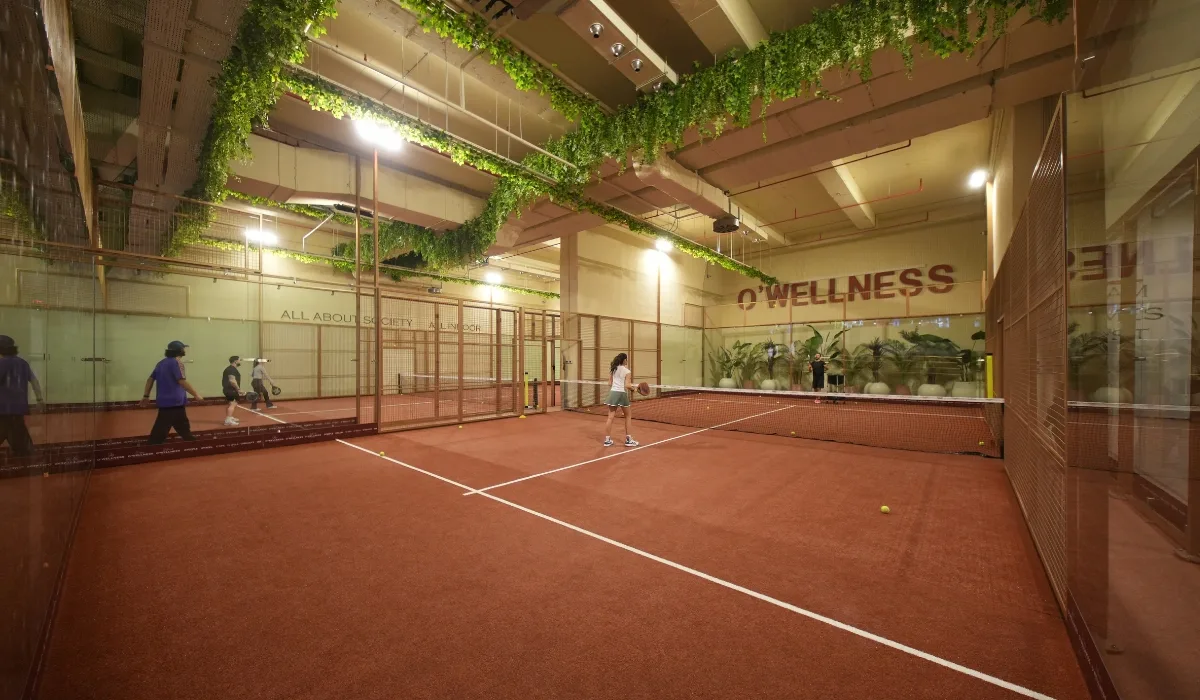
Setting fixed days and times is the easiest way to turn padel into a habit. For example, one weekday evening and one weekend morning is a workable routine for many working people. Playing on an indoor court such as O'Padel Sky makes it easier to keep this routine regardless of the weather.
Finally, do not think about frequency only in terms of padel. One or two short strength and mobility sessions a week make it easier to carry the load of padel sessions and can help reduce injury risk. Planning this work with a specialist lets you build a program suited to your level.
FAQ
Is playing padel every day harmful?
For beginners, playing every day shortens the body's adaptation time and can increase the risk of overload. Rest days are part of progress.
Is playing once a week enough?
It can be enough for enjoyment, but progress will be slower. If possible, adding a second short session clearly supports learning.
Are lessons or matches more important?
Both matter. Lessons build technique and matches test it in play. Keeping both balanced in the first months is the most productive route.



 Padel Courts
