
The relationship between padel and sleep shows up in the three areas you feel most on court: reaction time, decision-making and recovery. Padel is a sport that requires reacting in a fraction of a second at the net, quickly reading the path of a ball coming off the glass and choosing the right shot on every point. Insufficient or poor-quality sleep can hurt all of these skills. In short, sleeping well is one of the most fundamental, and most often neglected, ways to be faster, sharper and more resilient on court.
In this article, we at the O’Padel Sky coaching team share how sleep can affect padel performance, other factors that influence reaction time, and practical tips for your sleep routine before and after matches. This article is for general information only; if you experience symptoms such as ongoing insomnia, excessive daytime sleepiness, snoring or pauses in breathing during sleep, be sure to discuss them with a doctor.
Summary
- Sleep is fundamental for reaction time, attention, decision-making and physical recovery.
- Consistent sleep times are often more decisive than how long you sleep on any single night.
- A cool-down routine that eases the transition to sleep is helpful after evening matches.
- Caffeine, screens, alcohol and heavy late-night meals can affect sleep quality.
- With ongoing sleep problems, consult your doctor instead of trying to fix them on your own.
Why Is Sleep So Important for Padel Performance?
Sleep is when your body and brain recover from the day's load. Physically, it's when muscles are repaired and energy stores are replenished; mentally, it's when newly learned skills are consolidated and attention systems rest. When these processes are disrupted, it can show up on court the next day in different ways.
You can think about the impact of sleep on padel under three headings:
- Reaction and attention: In fast volley exchanges at the net, in reacting to your opponent's smash and in reading a ball coming off the glass, even a delay of a few milliseconds makes a difference. A tired mind may respond to stimuli more slowly and less consistently.
- Decision-making: Lob, chiquita or bandeja? The decisions you make on every point require mental freshness. Sleep deprivation can lead to more rushed or less cautious choices.
- Physical recovery: Much of your body's recovery after an intense match or training session happens during sleep. Insufficient sleep can increase how tired you feel the next day.
Technical learning is also linked to sleep. A new shot you worked on in a lesson “sinks in” not only through repetition on court but also through the rest and sleep that follow. That's why during an intensive learning period, for example while following our 4-week padel learning plan , paying attention to your sleep routine supports your progress.
Other Factors That Affect Reaction Time
Sleep is an important factor, but reaction time is shaped by a combination of many factors. To react faster on court, you need to think about these factors as a whole.
| Factor | How might it feel on court? | What can you do? |
|---|---|---|
| Sleep routine | Slow reactions, distractibility | Consistent sleep times, enough sleep |
| Warm-up | Late reactions in the first games | Dynamic warm-up and short reaction drills |
| Hydration | Early fatigue, loss of concentration | Regular fluid intake throughout the day |
| Nutrition | Low energy, sluggishness | A light meal at the right time before the match |
| Mental fatigue | Indecision, poor choices | Brief mental preparation before the match, stress management |
| Technique and positioning | Feeling late to the ball | Ready position, racket up in front, the right distance |
The last row in the table is especially important: part of that “I was late” feeling on court actually comes from positioning and preparation, not reaction time. Keeping your racket in front, carrying your weight on the balls of your feet and standing at the right distance from the net shortens your reaction time in practice. For net positioning, check out our net position in padel article. For hydration and nutrition, our hydration in padel and padel nutrition guide articles provide detailed information.
Evening Matches and Sleep: What to Watch Out For
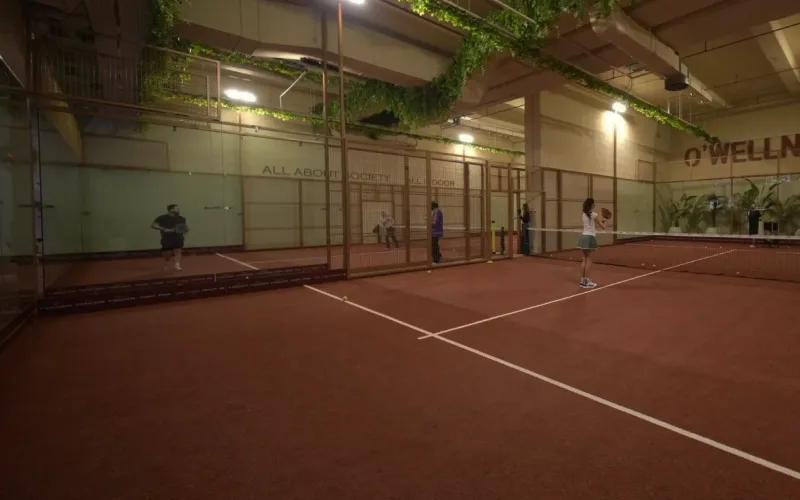
Many players play in the evening after work. Our courts at O’Padel Sky, open until 23:00 on weekdays, offer that flexibility. However, falling asleep after an intense late-evening match can be hard for some people. Intense effort, competitive excitement and bright lights can keep your body and mind “awake” for a while.
To make it easier to fall asleep after evening matches, we recommend these steps:
- Cool-down routine: A few minutes of light movement, stretching and calm breathing after the match can help your body shift into rest mode. Our recommendations: post-padel cool-down and stretching .
- Warm shower: A warm shower after the match can help you relax.
- Light, well-timed nutrition: A heavy meal very late in the evening can affect sleep quality. Choose a light, balanced meal after the match.
- Fluid balance: Replace the fluids you lost after the match, but try not to drink too much right before bed.
- Cut down on screens: Spending a long time on your phone after the match can delay falling asleep.
- Mental closure: Instead of replaying the match in your head over and over, jotting down a few short notes and closing out the day can calm your mind.
If you consistently have trouble sleeping after evening matches, consider moving your match times a little earlier. For those who like to play in the morning, our Sunrise Padel Sky option offers an energizing start to the day.
Uyku düzenine uygun bir oyun saati mi arıyorsun? Skyland Istanbul’daki kapalı kortlarımız hafta içi 06:00–23:00, hafta sonu 08:00–21:00 arasında açık.
Sleep Before Matches and Tournaments
Having trouble sleeping the night before an important match or tournament is very common. Excitement and anticipation can make it harder to fall asleep. The good news is that one night's sleep usually doesn't determine your next-day performance on its own; your sleep pattern over the previous days and weeks is more decisive.
That's why your pre-match sleep strategy starts a few days in advance:
- Sleep consistently in the days before: Keeping your sleep times consistent in the days leading up to a tournament can lessen the impact of a sleepless night before the match.
- Don't change your routine: Rather than trying new things the night before a match, stick to your familiar routine.
- Get prepared early: Packing your bag, racket and clothes the day before puts your mind at ease. For tournament-day preparation, see match day at a padel tournament post.
- Don't panic if you can't sleep: Resting calmly in bed also benefits your body. The anxiety itself can tire you out more than the lack of sleep. Calm breathing exercises or reading a light book can help take your mind off the match.
If you have an early match on tournament morning, it's important to plan your wake-up time well ahead of the match. Give your body and mind time to fully wake up, eat breakfast and warm up. Rushing to the court right after waking up can leave you feeling heavy and slow in the first games. For general tournament preparation, our padel tournament preparation article is a comprehensive guide.
Daily Habits That Support Sleep Quality
Sleep quality is shaped not only by what you do at night but by the habits you keep throughout the day. Small but consistent changes usually produce more lasting results than big but short-lived efforts; so rather than applying all the suggestions below at once, we recommend starting with one or two. The habits below are general recommendations known as sleep hygiene, adapted for padel players:
- Consistent times: Going to bed and waking up at similar times, weekends included, regulates your body clock.
- Daylight: Getting out into daylight in the morning can support your sleep-wake cycle.
- Caffeine timing: Caffeine's effects can last for hours; limiting caffeine in the afternoon and evening can make it easier to fall asleep.
- Alcohol: Alcohol may seem to make falling asleep easier, but it can hurt sleep quality. Be especially careful before important matches.
- Bedroom environment: A cool, dark and quiet room supports sleep.
- Short naps: A short nap during the day can do some people good, but long naps or naps close to evening can affect nighttime sleep.
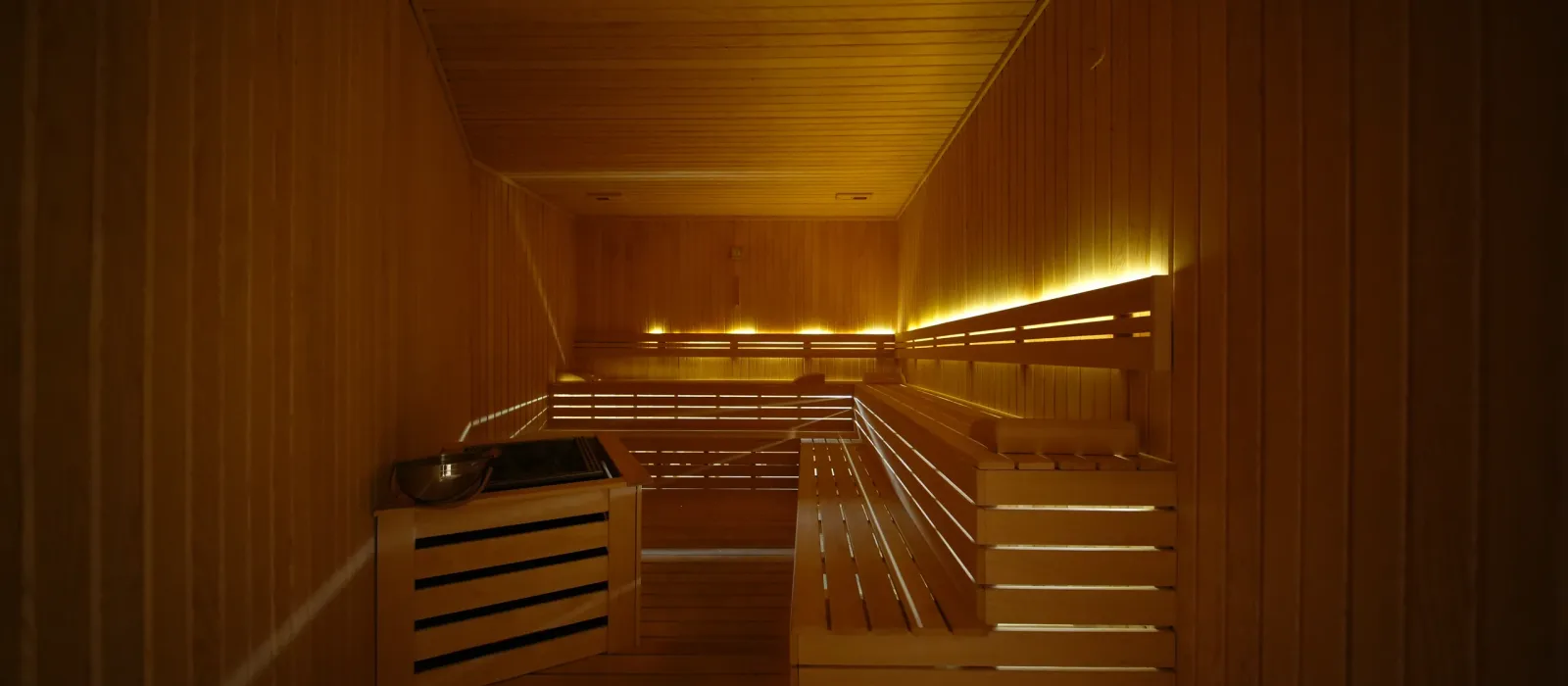
We covered our general approach to recovery in our padel recovery guide article. You can find the O’Spa Sky facilities at Skyland Istanbul on our recovery & wellness page. If you're thinking of using the sauna or other heat therapies before bed, adjust the timing to how your own body responds; if you have a health condition, consult your doctor first.
Improving Reaction on Court: Drill Suggestions
A good sleep routine lays the foundation for reaction, but it's also possible to improve your reaction speed on court. As the O’Padel Sky coaching team, these are the reaction-focused drills we often use in lessons:
- Fast volley duel: Two players at the net exchange controlled but fast volleys from close range. The goal is to get the longest rally without dropping the ball.
- Colored ball call: The coach feeds balls in different directions and calls out a direction or shot at the last moment; the player reacts to the call. It trains both visual and auditory reaction.
- Glass-reading series: Reacting back to back to balls coming off the back and side glass at different angles; it improves reading the ball's path early.
- Back-turned start: The player waits with their back to the net, turns on the coach's signal and reacts to the incoming ball.
These drills are also mentally tiring. Their effectiveness may drop on days when you're tired or short on sleep, so it's smarter to schedule reaction work for sessions when you're well rested. Noticing after a while that you're hitting longer rallies in the same drills is a concrete sign of progress. For the basics of volley technique, see padel volley technique article.
The Balance Between Sleep and Training Load
As training load increases, so does your body's need for recovery. For someone who plays padel several times a week, adds conditioning work on top and has a busy work schedule, sleep becomes the most important pillar of recovery.
Some signs of overload are sleep-related: being unable to sleep despite being tired, waking up often or waking up unrefreshed in the morning. When you notice these signs, it's wise to reduce your training load for a while, add a rest day to your schedule and focus on your sleep routine. If the symptoms persist, we recommend seeing a doctor. To balance your conditioning program, see conditioning program for padel , and to understand the cardio load, see padel's cardio benefits .
Conclusion
Sleep is one of the invisible yet most fundamental components of padel performance: it directly affects reaction time, decision quality and recovery. Consistent sleep times, a cool-down routine after evening matches, care with caffeine and screen use, and a steady routine in the days before a match help you be faster and sharper on court; with ongoing sleep problems, consulting your doctor is the right step. At O’Padel Sky, located in Skyland Istanbul in Sarıyer, our indoor courts open from 06:00 let you choose the playing time that best suits your sleep routine, and the recovery facilities in the same complex support your recovery. For options, see when making your court reservation; for our courts, see padel courts and for our lesson schedule, see padel lessons page to make a reservation.
FAQ
Sleep needs vary from person to person. General recommendations point to sufficient, consistent nightly sleep for adults; you can gauge your own needs by whether you wake up feeling rested. If problems persist, consult your doctor.
One night's sleep usually doesn't determine performance on its own; your sleep pattern over the previous days is more decisive. Focusing on resting without panicking and doing a good warm-up on match day is the healthiest approach.
They can give you an idea of trends in your sleep pattern. However, it's better to treat the data as a general indicator rather than a precise measurement and to interpret it alongside how you feel.
Be sure to consult your doctor before using any supplement or medication for sleep. The priority should always be consistent sleep times and healthy sleep habits.



 Padel Courts
