
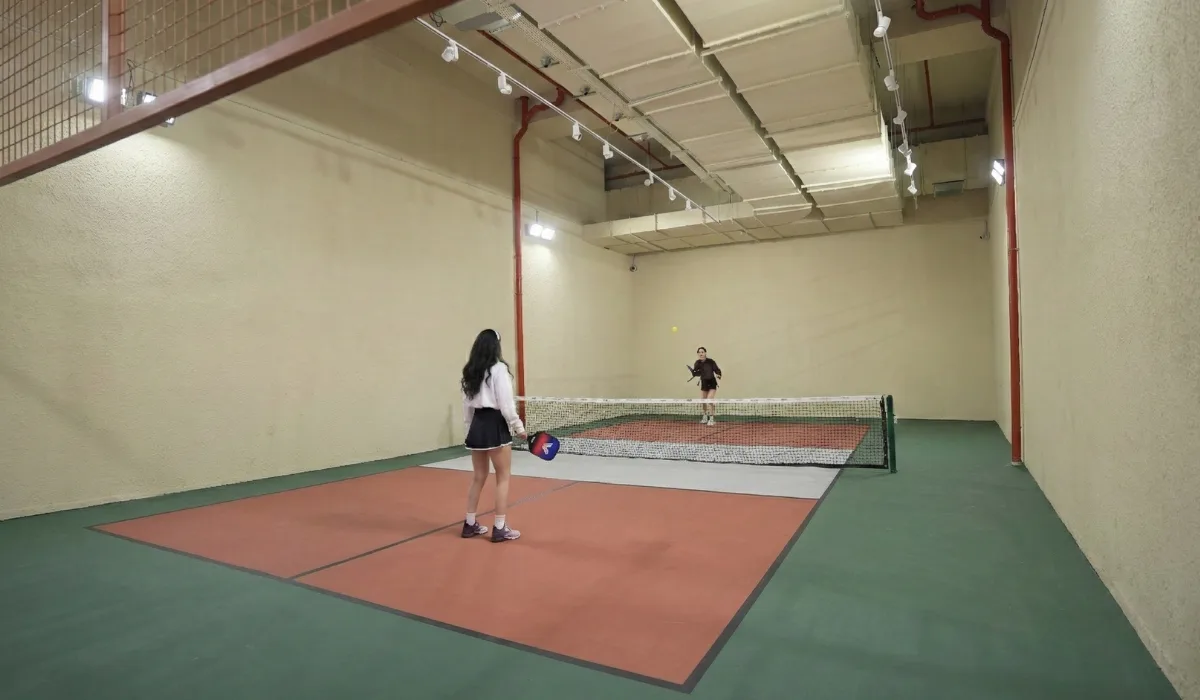
A used padel racket can be a sensible option, especially for players who have just taken up the game or want to try a different racket type. But a padel racket's construction differs from a tennis racket: there are no strings, and it consists of a foam-filled body covered with composite layers. This construction means some damage is not easily visible from the outside. This checklist shows, in order, what you need to look at before buying.
First, clarify your own needs
A model that looks attractive on the used market means little if it does not fit your style of play, however cheap it is. Diamond-shaped rackets with their balance near the head give power but make control harder; round models are more forgiving. If you are a beginner, a stiff and heavy racket left behind by an advanced player can tire your arm unnecessarily.
So before looking at listings, write down your own preference for shape, weight range and face stiffness. If possible, try different rackets at the club for a few sessions. When you know what you want, you will also be clearer when negotiating.
Set your budget from the start, too. When browsing used listings it is very easy to drift toward a higher-end model. Once you set an upper limit for yourself, you are less inclined to buy a racket that failed the checklist just because it is discounted. Remember, the real goal when buying a used racket is not saving money but getting sound equipment that fits your needs at a reasonable cost.
Be honest when assessing your level. If you have been playing regularly for a few months, moving from a soft face to a medium-stiff one may make sense. But if you have not yet made basic shots such as the bandeja and volley automatic, a stiff-faced racket magnifies your mistakes. The fact that advanced rackets are more plentiful on the used market does not mean they suit you.
Checking the frame and edges
The area of a padel racket that takes the most impact is its edges. Hairline cracks can form in the frame when it strikes the glass, the floor or a partner's racket. If a protector tape is fitted, ask the seller to let you see underneath it; the tape sometimes hides exactly these cracks.
- Run your finger along the frame and feel for bulges or steps
- Hold the joint between head and throat to the light and inspect it carefully
- Tap the racket gently against your palm and listen for a solid, even sound
- Distinguish surface scratches in the paint from separation of the layer underneath
A crack in the throat area is far more serious than a small scuff on the head; this is the spot that flexes most at impact. If you find something like that, it is safer to walk away whatever the price.
Face and foam fatigue
The inner foam of a padel racket compresses over time and the racket loses its original response. This is not visible to the eye but is felt in play: the ball comes off the face deader, or the opposite, with an uncontrolled rebound. On a heavily used racket you may see a slight dip or dullness in the central area of the face.
Ask the seller how long and how often they used the racket. It is not possible to give an exact age limit, because the racket of someone who plays once a week and that of someone who plays every day will not show the same wear over the same period. If possible, try the racket on court once; even a few minutes of volleys and forehands tells you a lot.
During the test, compare how the ball responds when struck on different areas of the racket. There is naturally some difference between a ball off the center and one hit near the edge on a new racket; on a tired racket, the center starts to respond like the edge. If you can access a new or lightly used example of the same model, trying both back to back gives the clearest result.
Holes and surface texture
Check whether there is cracking around the edges of the air holes on the face. On models with a rough face, the texture wears down over time; this reduces the ability to generate spin. If the texture has flattened entirely, factor in that you can no longer use that feature of the racket.
Handle, strap and weight
In the handle area, check whether the structure beneath the original grip is sound. Any play or clicking where the handle joins the body is a serious defect. A worn wrist strap can be replaced, but if the strap's attachment point is damaged it is a safety risk; a racket that slips from the hand during play can hurt both you and your partner.
The strap itself is also an indicator. A strap with loose elastic, faded color or fraying thread suggests the racket was used heavily for a long time. If the seller says the racket was lightly used but the strap and grip tell another story, trust what you see.
Weighing the racket on a kitchen scale is also useful. Weight tapes added by the previous owner or several layers of overgrip can make the racket different from its listed specification. This difference matters especially for players with sensitive wrists.
Do not rely only on listing photos to make these checks. If meeting in person is possible, inspect the racket in daylight. If you live near a club such as O'Padel Sky, meeting the seller at the courts can be a practical way to both test and compare.
Judging the price and negotiating
The value of a used racket depends more on its condition than on the model's new price. Two rackets of the same model may come your way, one lightly used with clean edges, the other hiding a crack under its protector tape. Comparing prices by model name alone is therefore misleading. Note every finding from the checklist and rely on those notes when you negotiate.
Asking the seller why they are selling the racket also gives a useful clue. Some players sell their racket only because they want to move to a different shape; in that case the racket may be well preserved. Others sell because they have noticed it no longer responds as it used to. In the second case, you are accepting that what you buy is an already tired frame.
If the price of a new entry-level racket and that of a used advanced racket are close to each other, weigh the two options honestly. A new, simple racket often offers a better learning experience than a tired but flashy one.
First steps after buying
The first thing to do after buying the racket is to remove the old overgrip and wrap a new one. This matters both for hygiene and for seeing the true condition of the handle. Then you might consider fitting a new protector tape on the edges; but before doing so, inspect the frame bare one more time.
Spend the first few sessions getting to know the racket. A balance point different from your previous racket can change your volley and smash timing. If you feel unusual fatigue in your arm, do not force the racket; shorten your sessions and get a coach's opinion if needed.
FAQ
Can a cracked padel racket be repaired?
Some surface damage can be repaired, but a repair does not bring back the racket's original response. Buying a racket with a structural crack is generally not recommended.
Does a used racket come with a warranty?
Usually not. That is why asking about details such as the receipt or purchase date is still useful for understanding the racket's history.
Should a beginner start with a used racket?
If budget matters, it is a reasonable option. Still, take care to choose a soft, forgiving model suited to your level; the wrong racket can make learning harder.


 Padel Courts
