
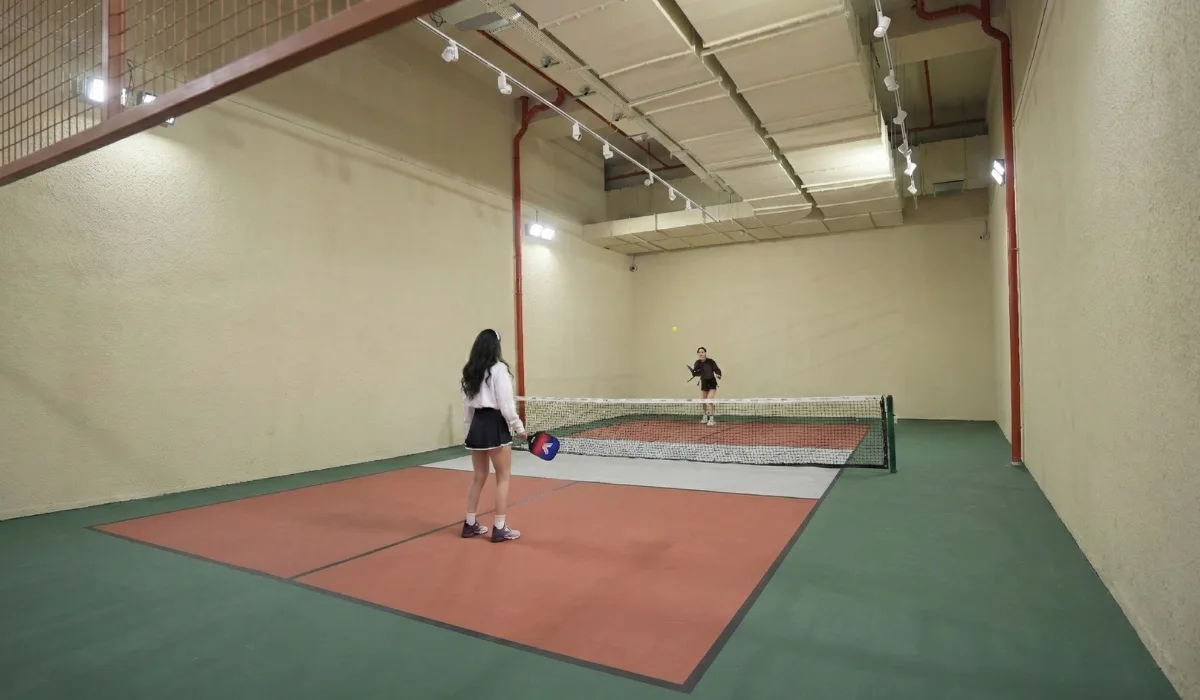
The padel sock is a small but effective piece of equipment that most players overlook. Buying an expensive shoe and playing in an ordinary cotton sock is one of the most common causes of blisters and poor footing. In padel you constantly change direction, slide and stop abruptly; if your foot slips inside the shoe, all of that movement becomes inefficient. For players who spend long sessions on the indoor courts at O'Padel Sky, foot comfort is a quiet key to performance.
Why cotton is a poor choice
Cotton absorbs sweat but does not release it. A wet sock clings to the foot, wrinkles and creates friction points. You may not notice in the first half hour, but in the second set a burning feeling starts at the heel and toes. A sweaty, humid environment raises blister risk.
Choose sports socks made from moisture-wicking synthetic blends or merino-type fibres instead. They move sweat away from the surface, keep the foot drier and reduce odour. On an indoor court, where the temperature is constant, breathability matters even more.
What to look for in a sock
- A seamless or flat-seam build with no thick seam at the toes
- Light cushioning at the heel and sole
- An elastic arch band to stop the sock from slipping
- Ankle or mid length; avoid very low socks that slide down
- The right size; a large sock wrinkles, a small one squeezes
Ideally you should try a sock together with the shoe before buying. A thick sock reduces the shoe's inner volume, while a thin one leaves extra room. If you can, bring the sock you will play in when you buy new shoes.
Do you need insoles?
Most padel shoes come with a standard insole that suits most players. However, with flat feet, high arches or long-standing foot fatigue, an extra insole can make a difference. What matters is that it does not push the foot upwards or shift inside the shoe.
If you have pain, numbness or lasting discomfort, consult an orthopaedic specialist or physiotherapist instead of choosing an insole on your own. A personal assessment is far safer and more accurate than general product advice.
Preventing blisters
Blisters usually result from a combination of three factors: friction, moisture and pressure. Wearing new shoes for the first time in a long match sets all three off. Break new shoes in over a few short sessions, lace them so the heel locks in and stop the foot from sliding forward.
Applying protective tape or an anti-friction cream to sensitive spots beforehand also helps. If a burning feeling starts during play, adjusting the sock and checking the foot between sets keeps it a minor irritation. Try not to pop a blister yourself.
The special side of foot health on indoor courts
An indoor court floor usually stays at a constant temperature and humidity, which can increase the heat building up inside the sock. On an outdoor court wind and shade cool the foot, while in an indoor hall your foot's ability to breathe depends entirely on the sock and shoe. So even in a climate-controlled setting like Skyland Istanbul, fabric choice should not be neglected. A sweaty foot is the biggest cause of added friction.
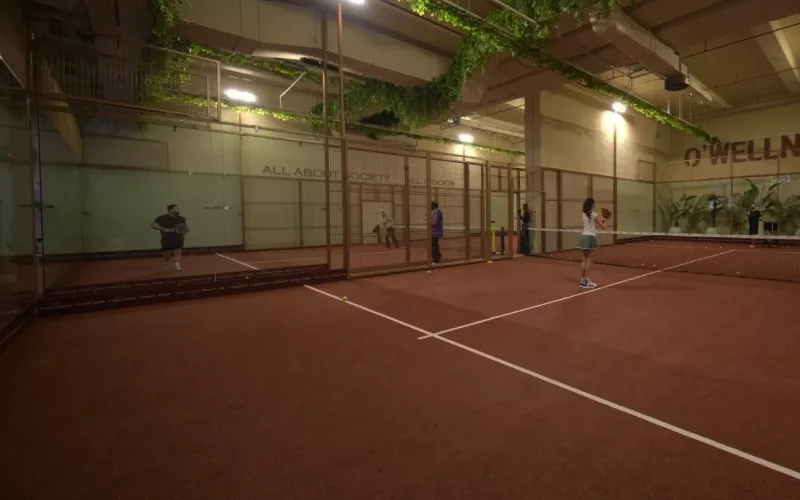
Because sliding movements are frequent on the sand-dressed surface, the foot tends to slide back and forth inside the shoe. Constant knocking of the toes against the front can cause bruising under the nail. Keeping toenails short and straight, choosing a shoe with roughly a finger's width of space at the toe and locking the heel firmly prevents most of this.
A foot plan for long tournament days
If you will play three or four matches in a tournament day, a spare pair of socks should be a staple of your bag. Changing damp socks between matches helps the foot dry and recover. If you can, take the shoes off for a few minutes to air them out. A small towel and some spare tape belong in the bag too.
Drinking enough water through the day also limits foot swelling. If you notice lasting swelling, bruising or pain, do not push through the game and see a health professional if needed. The suggestions in this article are general information and do not replace a medical assessment.
Lacing techniques
How you lace a shoe directly affects how much the foot moves inside it. The runner's loop, made by looping the lace through the final eyelet and crossing the ends, noticeably reduces heel slip. Skipping an eyelet over a pressure spot on top of the foot can ease the feeling of pinching. These small adjustments take little time and bring comfort throughout the match.
Buying shoes in the evening, when feet have swollen slightly during the day, also helps you find the right size. Do not forget to try both the left and right shoe; in most people the two feet are not exactly the same size and you should choose by the larger one.
Finally, think of socks and shoes as one budget item. A good sock is a relatively low-cost investment, yet its effect on comfort is far above expectation. In the long run, playing without blisters protects both enjoyment and the consistency of regular training.
Another detail in sock choice is models shaped separately for the left and right foot. Anatomically cut socks wrap the foot better and reduce wrinkling; the difference becomes noticeable in long matches. Reinforced heels and toe tips also increase durability and give extra protection at the places that rub the most.
Washing socks regularly and not drying them at high heat extends their life. When the elastic gives out, the sock starts to slip and needs replacing. Keeping sports socks separate from everyday socks, reserved for training only, also preserves the fabric's performance.
A note for those who play on indoor courts in the colder months: instead of putting feet that arrived wet or stiff from the cold straight into play, warming them for a few minutes benefits both comfort and muscle loading. Even starting with a walk on court in dry socks helps the foot adjust.
Foot care after the match
After play, air out your shoes rather than leaving them closed in the bag. Wash socks the same day and rotate between two pairs of shoes instead of wearing one every day; this reduces odour and early sole wear. Drying and moisturising your feet also lowers the risk of cracks.
Foot comfort comes from small details. Trying the right sock in your next session may unlock your shoe's full potential. See you on court at O'Padel Sky; when your feet are comfortable, your game flows more easily.


 Padel Courts
