
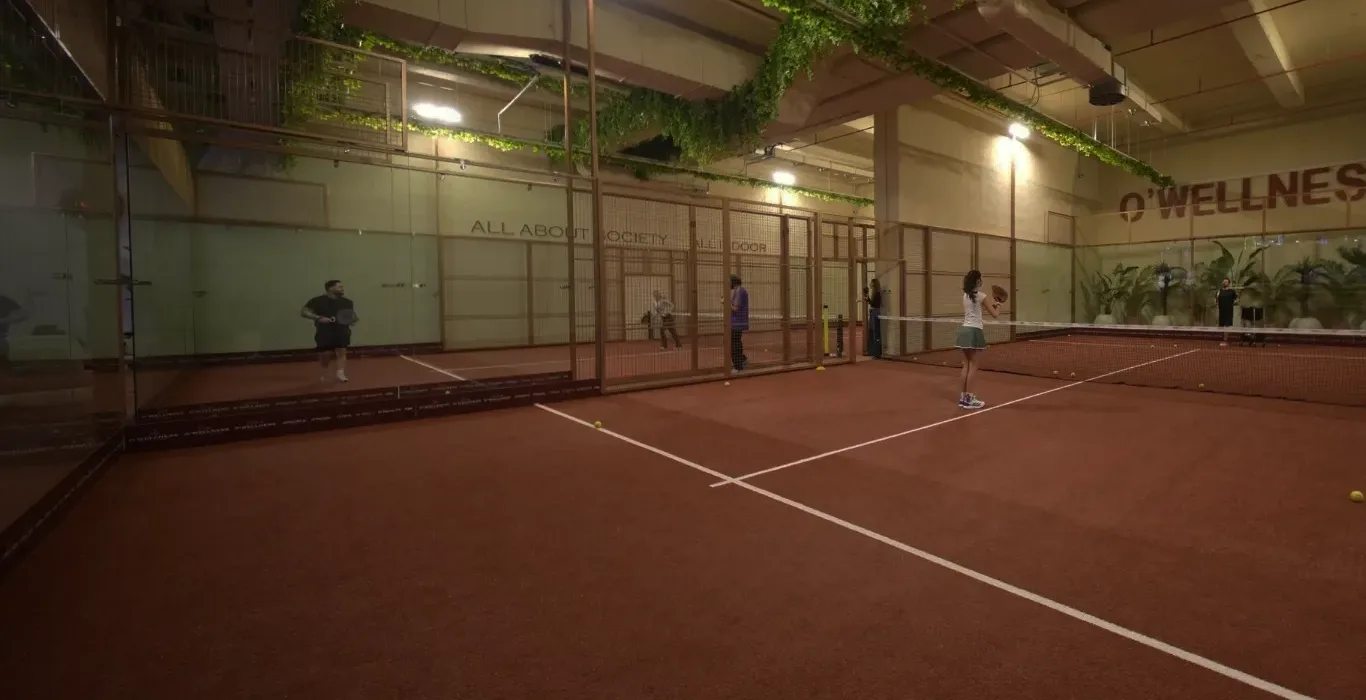
Padel can be a surprisingly effective tool for stress management. After hours spent in front of a screen, in meetings and among notifications, the mind stays at work while the body needs to move. Padel combines focus on the ball, communication with a partner and fast decisions, pulling the mind out of where it was and into the present. In this article we look at what you can do to genuinely reduce stress while playing in an indoor facility like O'Padel Sky. Let's remember: this content is general information; for serious anxiety or mental health problems, a specialist should be consulted.
How does padel reset the mind?
Stressful thoughts mostly belong to the past or the future. Padel calls you into the present all the time: the ball is coming, you must take position and choose a shot. This required attention helps the mind let go of looping thoughts. Many players say that after an hour on court they can look at their problems from a greater distance.
Physical movement itself matters too. Moderate-intensity exercise can help reduce tension and support sleep patterns. The social nature of padel is an extra advantage; compared with solo sports, laughing, talking and being a team reinforces the feeling of lightness.
The constant light and climate of an indoor court make it easier to leave the clutter of the outside world at the door for a while. Playing without variables like weather, traffic or daylight protects the mind from unnecessary worries.
After work on court: a transition ritual
Creating a mental transition ritual when moving from work to sport is very effective. Silencing the phone in the car or on public transport, closing your email and devoting the first five minutes on court only to warming up make that transition clear. For players coming to Skyland from Maslak, Ayazağa or İstinye, even the journey can be part of this ritual.
A small ritual is enough: three deep breaths, a glass of water, refreshing the racket grip. These signal to the brain that it is now moving to the next stage. Over time this habit becomes automatic and you focus on court more quickly.
If the tension from work is very high, play the first game for flow rather than competition. Allow longer rallies and don't think about the score; this way the tension drains away and you feel more relaxed for the rest of the play.
Not carrying stress into the game
Sometimes stress shows up on court as anger or haste. Slamming the racket down or snapping at your partner after an error lowers both enjoyment and performance. Using a short routine after a mistake instead prevents carrying the anger into the next point.
- Take a breath after an error and adjust your racket strings
- Say a short, solution-oriented sentence to your partner instead of blaming
- Think about the next ball, not the score
- See the match as a game, not an exam
These small habits turn the court from a source of stress into a real outlet. In time your partner is affected by this calm manner too, and you play more harmoniously as a team.
Competition or fun?
Every player's stress tolerance is different. For some, competition is motivating; for others, it creates pressure. Choosing light-tempo fun matches on weekdays and competitive formats such as tournaments or leagues on weekends is a smart way to keep balance. Rotational formats like Americano offer an option that reduces outcome anxiety and increases social bonding.
Knowing your own limits matters too. On days when you are very tired or sleep-deprived, choosing a light game over hard training prevents you from increasing stress instead of reducing it. See rest days as a natural part of the programme as well.
A suggested weekly routine
For stress management it is healthier to think of padel not as a one-off rescue but as a weekly anchor. For example, you can set an evening hour midweek and a longer social game at the weekend. A regular appointment makes the brain look forward to this time and becomes a source of morale even on busy days.
Setting the programme up with friends or colleagues increases sustainability. Making a commitment to others raises the chance of being on court even on tired evenings. A fixed group and a fixed time weaken the 'I don't feel like it today' thought, the biggest obstacle to starting sport.
Plan recovery weeks too. In very busy periods, shortening the duration and keeping the enjoyment rather than increasing training is a longer-term approach to managing stress.
The link with sleep
One of the things stress disrupts most is sleep, and sleeplessness increases stress further. An evening padel session, when timed correctly, can support sleep quality; but intense exercise very late can make falling asleep harder for some people. Observe your own body's reaction and adjust the session time accordingly.
A warm shower after the session, a light meal and less screen time support calming down. When the physical tiredness gained on court combines with mental calm, sleep usually becomes deeper and more regular. If the problem continues, consult a specialist.
Reminder: the suggestions in this article are general lifestyle information and do not replace medical advice in the field of mental health.
The effect of sport on mood varies from person to person. Some players feel lightness after the first session, others notice it after a few weeks. Being patient and kind to yourself is also part of the process.
In stress management, consistency matters more than intensity. Instead of one very tiring session a week, two or three light and enjoyable sessions are mentally much more restoring. Players who find their own rhythm begin to see the court not as a burden but as a refuge.
Leaving the phone outside the court is the most practical way of this renewal. Staying away from notifications for an hour is often the quietest hour of the day and lets the mind really rest.
After the game: completing the relaxation
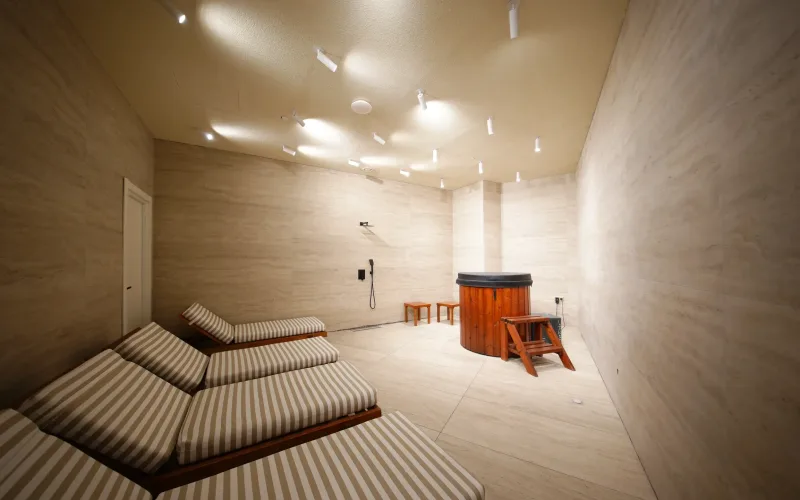
Returning straight to the phone and work after the match quickly uses up the calm you have gained. A few minutes of cooling down, light stretching and a short chat with partners reinforce the relaxing effect. Sitting with a coffee in the social areas at Skyland Istanbul provides a soft transition back to everyday life.
Reducing screen time before sleep and not leaving dinner too late also help carry the relaxation gained on court into the night. However, if you experience constant intense stress, sleep problems or emotional fatigue, consider getting professional support alongside sport.
Padel is not a cure but a strong support. With a regular weekly court hour you can open a space for your mind to breathe. On the courts waiting for you at O'Padel Sky, turn your next after-work hour into a game.


 Padel Courts
