
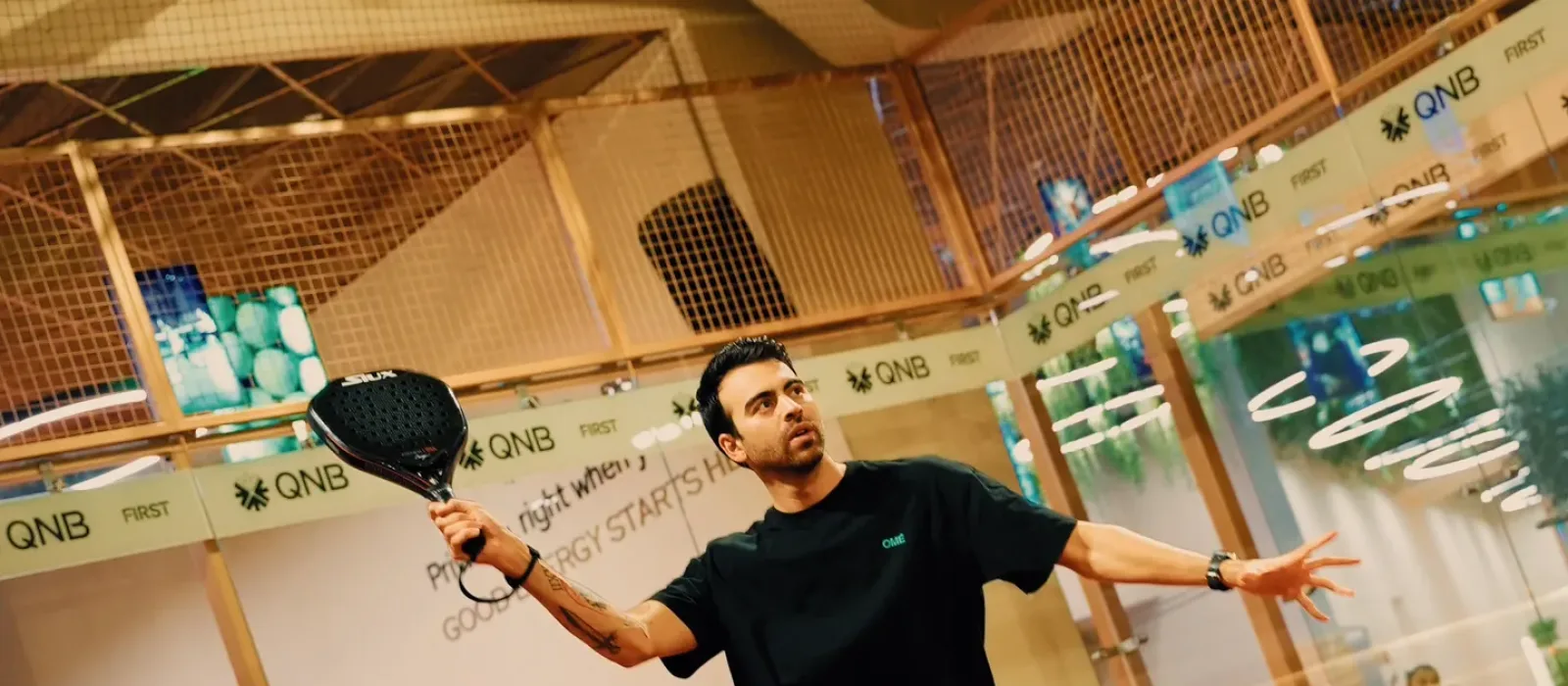
A padel racket should be replaced when its foam core loses its elasticity over time, when cracks or deep damage appear on the face, or when your level and playing style no longer match your current racket. In short, the decision to replace a padel racket depends less on the racket's age and more on “signs of fatigue” and your playing needs. For regular players, recognizing these signs is an important part of protecting both performance and arm health.
In this article, the O’Padel Sky coaching team explains why a padel racket wears out, the signs that it's time for a replacement, a general framework based on usage frequency and ways to extend your racket's lifespan. We avoid giving a strict “replace it after this many hours” rule, because a racket's lifespan varies greatly depending on materials, playing style, usage frequency and care habits.
Why Does a Padel Racket Wear Out?
A padel racket's performance depends largely on the foam core inside it and the surface layers wrapped around that core. With every shot, the core compresses slightly and then returns to its original shape. This process lets the core, which works like a spring, transfer energy to the ball. After thousands of shots, the foam gradually loses this elasticity, and the racket starts to feel more “dead.”
The surface layers also wear over time. Faces made of fiberglass, carbon or a blend of the two wear at a micro level from ball contact, temperature changes and impacts. This wear often progresses so slowly that it isn't visible to the eye. On rackets with rough faces, wear of this texture can reduce the amount of spin you can put on the ball. For more on racket materials, padel racket materials post.
- Foam core: Loses its elasticity with repeated compression.
- Surface layer: Wears from impacts, friction and heat.
- Frame: Can be damaged by hits against the glass or floor.
- Grip: Becomes slippery with sweat and use, but is easy to replace.
7 Signs It's Time for a Replacement
The best way to tell if your racket is worn out is to pay attention to changes in how it plays and its physical condition. If you notice several of the signs below at the same time, it may be nearly time for a replacement.
- Loss of power: Balls that used to go deep easily now fall short, and you have to put in more power.
- “Dead” feel: At impact, the racket doesn't send the ball back like it used to; the sound and feel have become dull.
- Increased vibration: The vibration or discomfort spreading to your arm on shots has increased.
- Visible cracks: There are cracks, bubbling or delamination on the face or frame.
- Rattling sound: You hear a sound from inside when you shake the racket; this may indicate that a piece of the internal structure has come loose.
- Loss of surface texture: The rough face has worn down and spin shots aren't as effective as before.
- Inconsistency: You get different responses from different areas of the racket; the sweet spot seems to have shrunk.
Summary
- A padel racket should be replaced when its foam core loses elasticity or structural damage occurs.
- Loss of power, a “dead” feel, increased vibration, cracks and internal rattling are the main signs of fatigue.
- Lifespan varies with usage frequency, playing style, materials and care; there is no single fixed period.
- New pain in the arm and elbow may be related to the racket; if the pain persists, consult your doctor.
Test Your Racket Yourself: Simple Checks
You don't need special equipment to assess your racket's condition. Doing the checks below every few months helps you spot the need for a replacement early.
Visual check
Inspect both faces of the racket in a well-lit space. Are there any bubbles, cracks or lines indicating delamination on the face? Look for damage on the frame, especially on the bottom and sides, caused by hits against the glass or floor. Also check the area where the handle joins the racket body.
Sound check
Gently shake the racket and listen for a rattle from inside. Then lightly tap the face at different points with your hand; if you hear a distinctly different, hollow sound in some areas, there may be delamination in the internal structure.
Side-by-side test
The most instructive method is to compare your racket on court with a new example of the same model or a similar racket. When you play the same shots with both rackets, you can clearly feel the difference in power, control and feel. If there's a noticeable difference, your racket is probably worn out. Even trying a friend's racket for a few rallies can give you an idea.
General Framework by Usage Frequency
Giving exact timeframes for racket lifespan would be misleading; however, it's clear that usage frequency directly affects how quickly a racket wears. The table below isn't a strict rule but a general guide to help you assess your own situation.
| Player profile | Usage | Assessment tip |
|---|---|---|
| Occasional player | A few matches a month | The racket can usually be used for a long time; a yearly check is enough |
| Regular player | 1–2 matches a week | Check for signs at the start of every season |
| Frequent player | 3+ matches a week, lessons, tournaments | Monitor the signs more often; it may wear out sooner |
| Competitive player | Mostly leagues and tournaments | Feel and performance are critical; the need for a replacement may come earlier |
Playing style matters too. Rackets of players who rely on hard smashes and powerful shots can wear faster than those of control-oriented players. Rackets that frequently hit the glass and floor also have a higher risk of frame damage. Beginners' rackets may be more prone to frame impacts due to uncontrolled movements near the walls; edge protection tape is especially useful in this phase. Environmental conditions also play a role: rackets kept in hot, humid conditions can wear faster than those stored in a climate-controlled environment.
Want to try your new racket on court? Plan your match on our indoor courts at Skyland Istanbul now.
A Worn Racket and Arm Health
Playing with a worn racket can affect not just performance but comfort too. As the foam core loses elasticity, the shock at impact can be transferred more to your arm instead of being absorbed by the racket. Some players notice new discomfort in the elbow or forearm during this period. Also, trying to hit harder to make up for the loss of power can increase the load on your arm.
If you feel persistent pain in your arm, elbow or shoulder, don't try to explain it only by the racket; be sure to consult your doctor or a sports physiotherapist. The pain may have technical, load-related or other causes. For general information, tennis elbow and padel and padel shoulder injuries see our articles; these articles are no substitute for a medical assessment.
Replacing your racket is an opportunity
It also helps to talk to your coach when deciding on a replacement. By watching your strokes on court, coaches can help you tell whether the problem comes from the racket or your technique; sometimes the cause of power loss isn't the racket but a changed stroke habit.
When it's time to replace your racket, you get a good opportunity to reassess your current level and playing style. The racket you chose at the start may no longer suit your developing technique. For example, you may want to move from a round, control-oriented racket chosen as a beginner to a more balanced model as your game improves.
What should you do with your old racket?
A worn but structurally sound racket isn't completely useless. You can keep it as a backup, give it to a friend who wants to try padel for their first experience or use it for low-intensity work like wall drills. But rather than giving away a racket with deep cracks in its frame or face, it's better to retire it.
What to Look for When Choosing a New Racket
Choosing a new racket doesn't have to mean buying the same one again. It's important to make an informed choice that takes into account your level, physical condition and goals.
- Shape: Round (control), teardrop (balance), diamond (power). Details padel racket shapes .
- Weight and balance: Critical for arm health and maneuverability. Details padel racket weight and balance .
- Stiffness: Soft cores can offer comfort, while hard cores can offer control and power.
- Level match: A racket that suits your level supports your progress.
Remember that racket prices vary widely and the most expensive model isn't the best choice for every player. Stiff, head-heavy rackets designed for advanced players in particular can lead to loss of control and arm fatigue for a player still settling their technique. Finding a model that suits your own game matters more than the popularity of the brand or model.
For the full selection process, how to choose a padel racket see our article, and for advanced players, advanced padel racket take a look at our article. If possible, trying the new racket on court before buying helps you make the best decision. The O’Padel Sky coaching team can guide you on racket choice during lessons; for lesson options, padel lessons page.
Adapting to a new racket
When you switch to a new racket, especially a model with a different shape, weight or stiffness, an adjustment period of a few matches is normal. During this time, you readjust your timing and power to the new racket. Gradually increasing your match load during the adjustment period gives your arm time to get used to the new racket. If you've moved to a heavier or head-heavy racket, watch for any unusual fatigue in your shoulder and elbow.
Care to Extend Your Racket's Lifespan
Proper care helps your racket maintain its performance longer. A few simple habits significantly reduce unnecessary wear.
- Protect it from extreme heat: Don't leave your racket in a car in summer or in direct sunlight; high temperatures can harm the foam and surface layers.
- Use a cover: Protects it from knocks and scratches in transit.
- Edge protection tape: Helps protect the frame when it hits the glass or floor.
- Don't hit the racket on the ground: Smashing the racket against the glass or floor in anger can cause serious damage.
- Replace the grip regularly: A slippery grip makes you hold the racket tighter and tires your arm.
- Keep it away from moisture: Dry a wet racket before putting it in its cover.
For detailed care tips, padel racket care see our article, and for replacing your grip and overgrip, padel grip and overgrip article.
Conclusion
The decision to replace a padel racket should be based on signs of fatigue rather than the racket's age: loss of power, a “dead” feel, increased vibration, visible cracks and internal rattling are the main signs that it's nearly time for a replacement. Regular care extends your racket's life; and when it's time to replace it, it's an opportunity to choose a model that better suits your game. At O’Padel Sky, located in Skyland Istanbul in Sarıyer's Huzur neighborhood, on our FIP-standard, indoor, climate-controlled padel courts you can try your new racket, get help from our coaching team in choosing one and plan your match on our when making your court reservation page. For your arm and shoulder health, you can also take advantage of the facilities of recovery and wellness in the same complex.
FAQ
Minor surface scratches usually don't affect performance; but if there are deep cracks in the frame or face, the racket's structure may be weakened. In that case, we recommend considering a replacement.
Some surface damage can be repaired; however, fatigue in the foam core can't be restored by repair. For repair options, you can ask the manufacturer or an authorized dealer.
If you regularly play tournament or league matches, keeping a backup racket is a practical precaution against damage that may occur during a match.


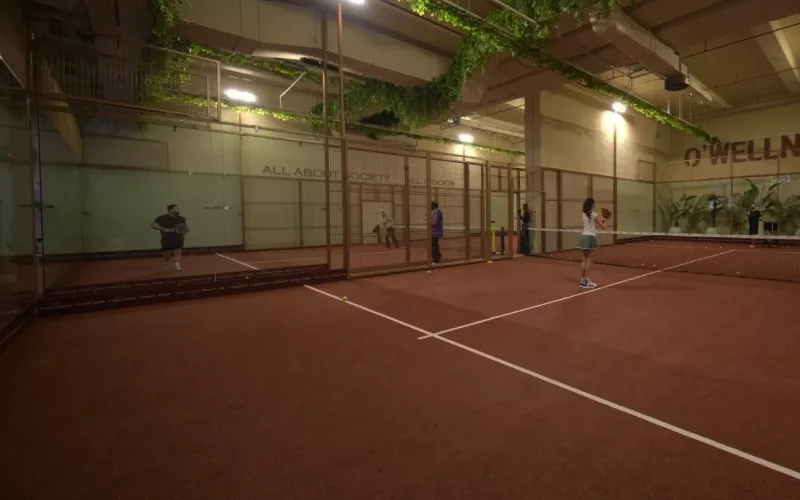


 Padel Courts
