
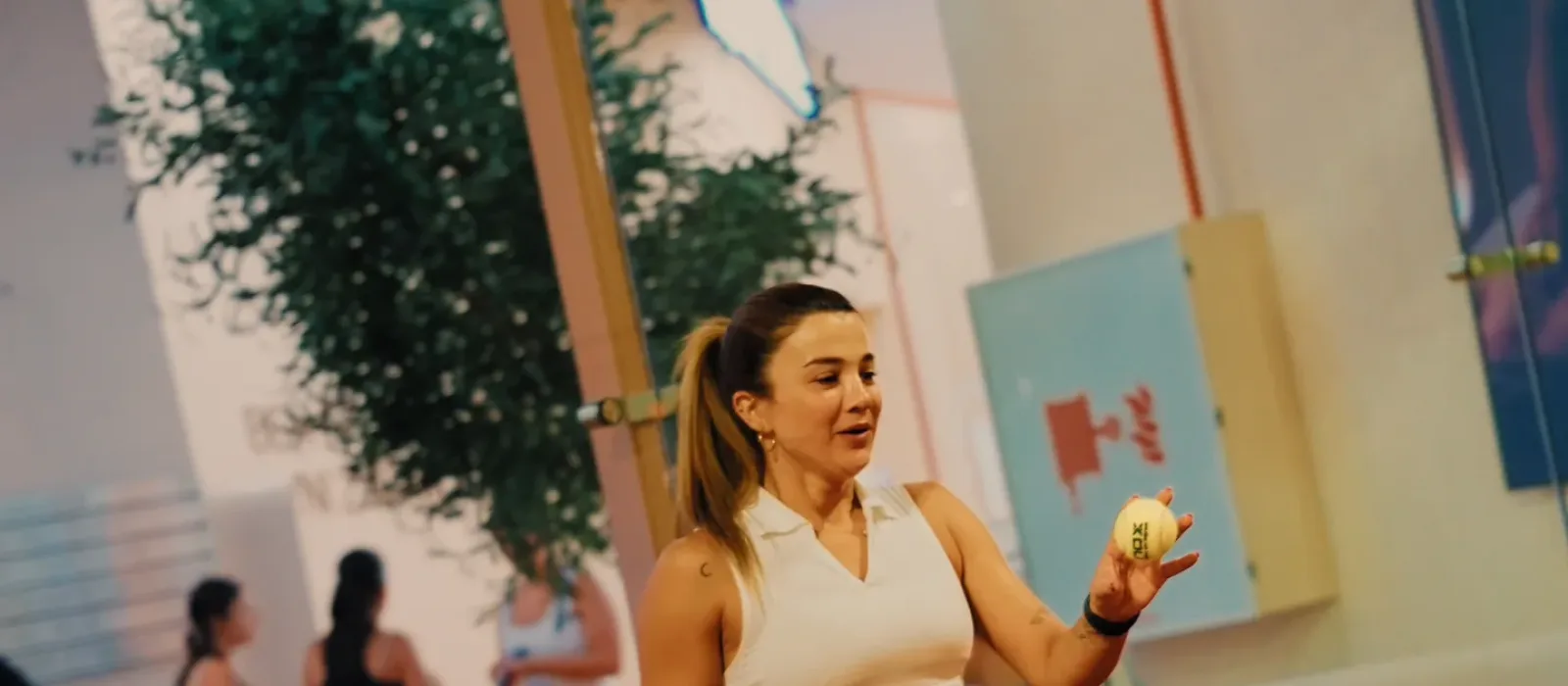
Padel clothingdoes not directly determine performance, but it noticeably affects comfort. A T-shirt that holds sweat, shorts that restrict movement or bottoms without pockets create constant small annoyances over an hour-long match. On indoor courts, where temperature and humidity rise, this effect becomes even more pronounced. In this article we cover fabric technology, layering logic, padel-specific cut details and seasonal recommendations.
Fabric: The Most Decisive Factor
Technical (synthetic) fabrics
Blends of polyester, nylon and elastane are the standard choice for padel.
- Moisture wicking and transport: Moves sweat away from the skin surface to the outer surface of the fabric; evaporation speeds up.
- Lightness: Doesn't get heavy when wet.
- Quick drying: Important when you play more than one match a day.
- Flexibility: The elastane content provides freedom of movement.
- Downside: Tends to hold odor; regular and proper washing is needed.
Cotton
- Absorbs sweat but doesn't transport it; it stays wet and gets heavy.
- Long drying time.
- Wet cotton clings to the skin and causes friction.
- Conclusion: Not suitable for padel. Suitable for changing into after training.
Merino wool
- Natural antibacterial property; low tendency to hold odor.
- Provides insulation in cold weather.
- More expensive and requires more delicate care.
- Generally unnecessary on an indoor court; it can be considered as an outer layer.
Tops
T-shirt and polo
- Cut: Not too loose but not restricting movement. An overly tight cut limits shoulder movement.
- Sleeve construction: A raglan sleeve allows freer movement on overhead shots.
- Collar: A matter of preference; a polo collar gives a classic look, a crew neck feels freer.
- Seams: Underarm and shoulder seams should be flat; coarse stitching causes chafing.
- Length: Long enough not to ride up during movement.
Sleeveless top
Provides freedom of shoulder movement in a hot environment, but some clubs may not prefer it because of dress policy; it's useful to check in advance.
Long-sleeve technical top
Used as a first layer in winter months or during the warm-up. It should be thin and moisture-wicking.
Bottoms
Shorts
- Pockets: Critical in padel. You need to carry the second ball for serving; shorts without pockets are impractical.
- Pocket depth: Should be deep enough that the ball doesn't fall out.
- Length: Above the knee; shorts that are too long restrict movement, and ones that are too short can reduce comfort.
- Lower back: Elastic waist and inner drawstring; it's important that they don't slip during movement.
- Inner lining: Built in on some models; reduces the need for extra underwear.
Leggings and short-legging combinations
- Provide a feeling of muscle support.
- Reduce inner-thigh friction.
- Extra insulation in cold weather.
- Leggings with pockets are practical for padel.
Skirts and skorts
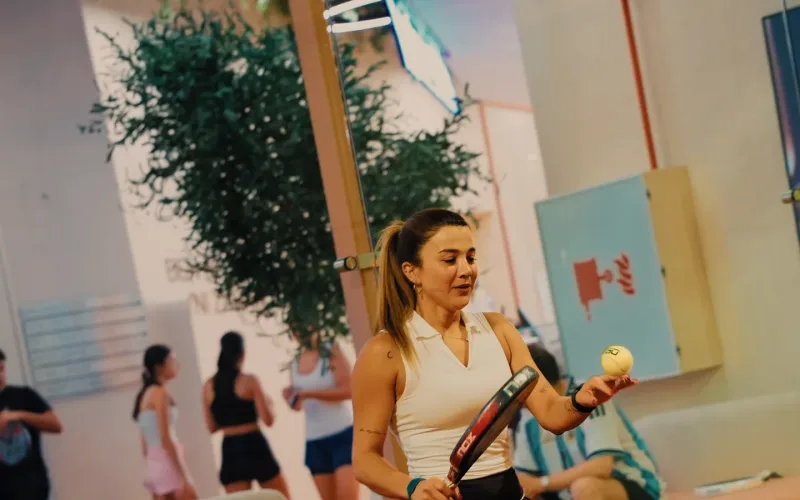
A common option for women players. Having built-in shorts underneath is important for carrying balls and for movement comfort.
Layering Logic
Even on an indoor court, temperature changes occur during the warm-up and between games. A layering system manages this change.
Layer 1 (against the skin)
- Thin, moisture-wicking technical fabric.
- Close-fitting cut; it must touch the skin to wick moisture.
- Should not be cotton.
Layer 2 (insulation)
- Thin fleece or technical sweatshirt.
- Worn during the warm-up, taken off before the match starts.
- Put back on between games and during the cool-down.
Layer 3 (outer)
- A windbreaker or light track jacket.
- Generally not needed on an indoor court; for getting to and from the facility and for outdoor courts.
Practical rule: Have one layer too many for the first 10 minutes; take it off once you're warm. Adding a layer right after the match makes cooling down controlled.
Indoor Court Comfort
Indoor padel courts have a few special conditions:
- Temperature rises: Air circulation is more limited than on outdoor courts; sweating increases.
- Humidity builds up: Especially in busy hours.
- No wind: Cooling through evaporation is reduced; that's why moisture-wicking fabric is more critical.
- Floor sand: Sand sticks to clothing and shoes; dark clothing makes it more visible.
- Lighting: Some facilities may have glare; a cap is helpful.
Recommendations
- Prefer light colors and thin fabric.
- Sleeveless or short-sleeved; long sleeves only for the warm-up.
- Keep a spare T-shirt; changing in long matches increases comfort.
- Use a sweatband and hand towel; in a humid environment the grip gets slippery.
- Don't neglect hydration; in an enclosed environment sweating builds up unnoticed.
Recommendations by Season
Summer
- A thin, light-colored, moisture-wicking T-shirt.
- Lightweight shorts.
- A cap or sweatband.
- A spare T-shirt; you may need one even in a single match.
- Sunscreen and sunglasses if you play outdoors.
Winter
- A thin long-sleeve technical first layer.
- A short-sleeve T-shirt or a thin second layer over it.
- A track jacket for the warm-up; taken off before the match starts.
- Leggings or long track bottoms; during the warm-up.
- Extend the warm-up; moving into lateral movement with cold muscles is risky.
- Change into dry clothes right after the match; cooling down in sweaty clothes causes discomfort.
Spring and autumn
- Layer flexibility is important; the temperature changes during the day.
- Keep a thin outer layer in your bag.
Accessories
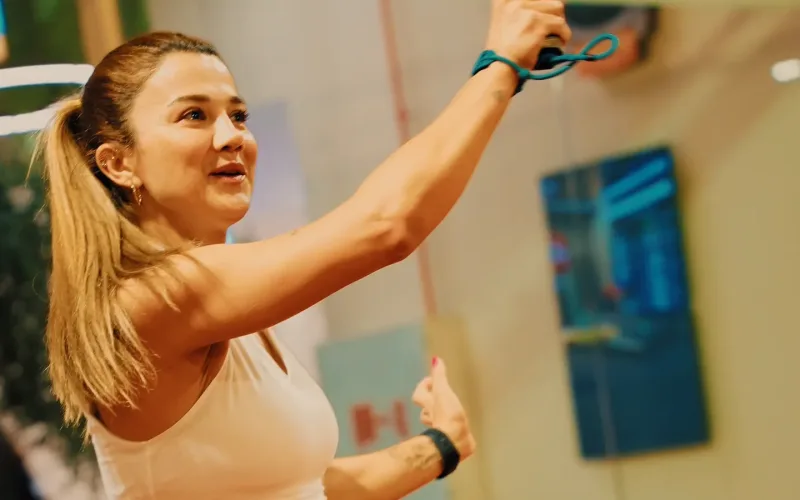
- Sweatband (wristband): Helps manage hand sweat; reduces grip slipperiness.
- Headband or cap: Keeps sweat from running into your eyes.
- Athletic socks: Technical fabric, with cushioned zones; cotton socks increase the risk of blisters.
- Sports underwear: Support and anti-chafing.
- Compression garments: May provide a feeling of comfort; claims of performance gains should be approached with caution.
- Glasses strap: Necessary for those who wear glasses.
Care: Washing Technical Fabrics Properly
When washed incorrectly, technical fabrics lose their moisture-wicking property and hold odor.
- Wash or air them out right away. Sweaty clothes sitting in the bag provide a home for odor-causing bacteria.
- Cold or lukewarm water (30 degrees). High temperature damages elastane fibers.
- Don't use fabric softener. It clogs the pores of the fabric and prevents moisture transport.
- Use little detergent. Excess detergent residue has the same effect.
- Turn them inside out. Protects prints and logos.
- Don't use a tumble dryer. High heat damages the fibers.
- Dry in the shade. Direct sun causes color and fiber loss.
- For stubborn odor: Adding a little white vinegar to the wash water is a common method.
Club Dress Policies
Some clubs have dress codes. Points worth checking:
- A T-shirt is required on court (playing shirtless is generally prohibited).
- Shoe type; there may be restrictions on street shoes or black-soled shoes.
- Dress standards at tournaments.
- Locker room and wet-area rules.
A Minimum Set for Beginners
You don't need to buy everything; a sensible order:
- Priority 1: Padel shoes. They come before clothing; it's a matter of safety and performance.
- Priority 2: 2 technical T-shirts.
- Priority 3: Sports shorts or leggings with pockets.
- Priority 4: 2-3 pairs of sports socks.
- Priority 5: Sweatband and hand towel.
- Then: A thin top for layering, a spare T-shirt.
Conclusion
The one deciding factor in padel clothing is fabric: moisture-wicking technical fabric offers a markedly more comfortable experience than cotton. On indoor courts, where temperature and humidity rise, this difference grows even larger. The second priority is bottoms with pockets; a practical necessity for carrying the serving ball. Using layering logic (one extra for the warm-up, taking it off for the match, adding it back afterward) is the simplest way to manage seasonal transitions. Washing technical fabrics without softener and at low temperature is the basic rule for preserving their lifespan and function.


 Padel Courts
