

Bir padel turnuvasında ilk seti kaybetmek, çoğu oyuncuda aynı sessiz paniği yaratır: “Şimdi ne olacak?” Oysa padelde ilk seti kaybetmek, maçın sonu değil, elinde yeni bir bilgiyle başlayan ikinci bölümdür. Rakibin neyi iyi yaptığını, kendi planının nerede aksadığını artık biliyorsun; bu bilgi doğru kullanılırsa avantaja dönüşebilir.
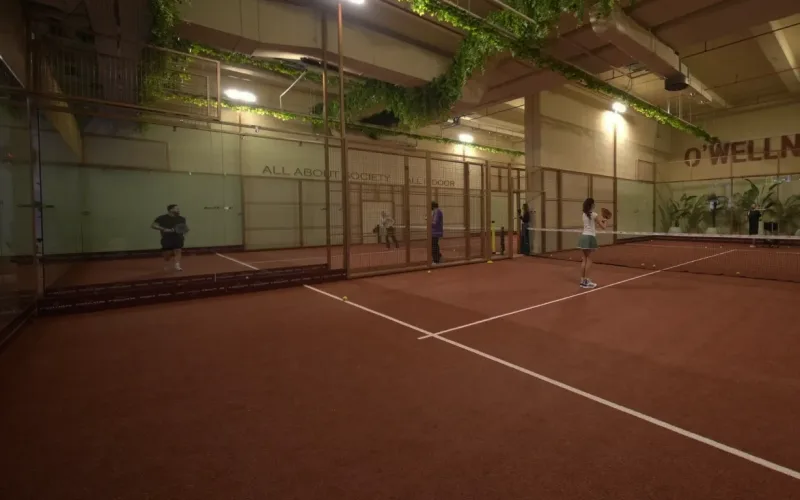
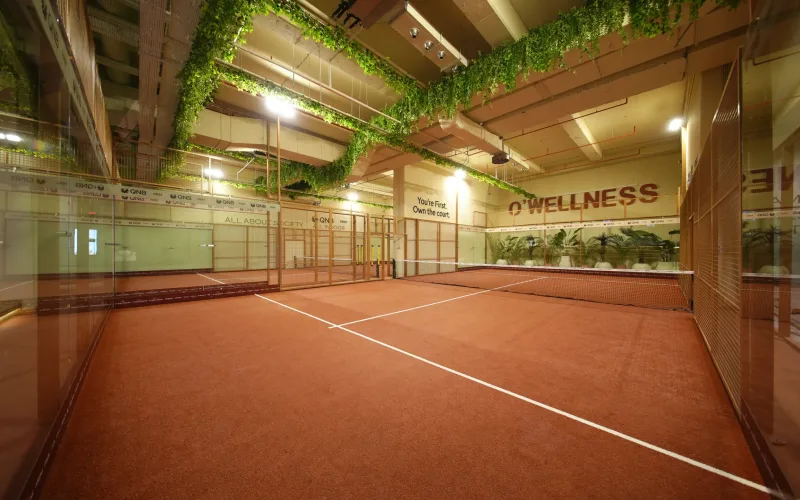
We offer a practical framework for those playing leagues and tournaments on the courts of O’Padel Sky in Sarıyer.
This moment is very familiar to players who join tournaments and leagues. This article explains what can be done in the short time between sets and with what mindset to enter the second set.
Using the Break Between Sets
The short time between sets is a valuable opportunity. In the first minutes you need to let go of the emotional reaction: anger, disappointment or self-blame waste this time. Instead, drink water, regulate your breath and check each other with a short look at your partner.
In the following minutes answer two or three short questions together: what is the opponent doing well, what did we fail to do well, if we changed just one thing in the second set what would it be? There is no time for long analyses; short, clear answers are enough. The break is used not for a long evaluation but for an adjustment.
The short conversation between sets also tests the pair’s communication quality. Instead of one of the two players analyzing and forcing the other to listen, it is more efficient to share one observation each in turn. If each observation is expressed in a single sentence, the break stays short and the decision becomes clear. Blaming language makes this short time inefficient.
Plan B: What Should You Change?
Plan B does not mean rebuilding everything from scratch. In analyzing the first set you have probably seen one or two basic problems: a certain opposing player constantly pressuring you, your returns of serve falling short, or not using the lob enough. Plan B is an adjustment targeting one of these problems.
Changing three things at once also disrupts your own game. Choose one adjustment and apply it patiently in the second set. Even if you see no results in the first few points, persist; a new plan needs a little time to settle.
- Deepen the return of serve or play it to the feet
- Skip the opponent’s stronger player and target the weaker one
- Lower the tempo; use more high and slow balls
- Move your position one step back or forward
- Change the serve direction and speed
Mindset: You Have Not Lost
Losing the first set is not losing the match. This is a simple but important reminder. Many padel matches end in three sets and pairs who turn things around in the second set are not rare. Mentally, entering the second set as if at “zero zero” lightens the burden of the past. Every set is a new beginning.
At the same time, the pressure now falls on the opponent. The side that won the set may get tense with the wish to finish the match and play more cautiously or more riskily in the second set. A calm, planned second set can turn this tension of the opponent into an opportunity.
At the root of a comeback mindset is focusing on process rather than result. The sentence “we must win this set” creates pressure; the sentence “in this set we will play our returns of serve deep” defines a doable task. Task-focused thinking reduces tension and clarifies decisions.
Not carrying the mistakes of the previous set into the second set is a skill too. Replaying a faulty stroke from the first set over and over in the mind raises the risk of repeating it in the second set. Instead, closing the faulty stroke with a short “correction sentence” (“next time, deeper”) is enough.
Physical and Mental Recovery
Physical recovery between sets also matters. Drinking water, having a light snack and stretching the muscles briefly preserve energy for the second set. If you feel overheated or tired, deliberately lowering the tempo can also be part of plan B. If you have symptoms such as dizziness, shortness of breath or pain, stop playing and get medical support.
For mental recovery use a short routine: one deep breath, one target sentence (“in the second set, deep returns of serve”), one release gesture. This routine lets go of the emotional load of the first set and builds the focus of the new one.
The First Games of the Second Set
The first games of the second set are the time when plan B is tested. In this part avoid taking big risks; apply the new plan calmly and watch the opponent’s reaction. Winning an early point gives confidence, but losing an early point should not be a reason to abandon the plan.
The opponent may make changes in the second set too. The side that won the set often continues with the same plan, but sometimes relaxes and starts making mistakes. Observing changes in the opponent’s behavior and fine-tuning plan B accordingly requires a flexible approach.
Reading the opponent’s mood in the second set is an advantage too. If the pair that won the first set plays relaxed and fast, deliberately lowering the tempo can pull them away from their rhythm. If the opponent is tense and cautious, a more active plan and early pressure can trouble them. The choice of plan B is shaped by this reading.
The effect of spectators and surroundings may also need to be taken into account. In a tournament setting the noise around and onlookers can distract attention; short routines and eye contact with your partner reduce these external effects. Staying inside the court, meaning focusing only on the next ball, eases every kind of external pressure.
Preparing for the Third Set
If you win the second set, try to keep the momentum as you enter the third. The third set is mostly a test of physical and mental endurance. Continue the plan that worked in the second set, but also notice signs of fatigue early. In the third set, simple and safe choices often make up the best plan.
If you lose the second set too, do an honest evaluation after the match. Did plan B work or not? Why? This information is the most valuable resource for playing a better first set in the next tournament.
Finally, accepting that comeback attempts will not always end in success also gives a healthy outlook. Applying plan B and still losing does not mean the plan is worthless; it often shows that the opponent was better that day. What matters is that the information gained from this experience makes you better prepared in the next tournament.
Adding a “what if I lose the first set” question to pre-match preparation is also a smart step. Talking for two minutes with your partner the day before and defining possible plan B options makes the decision easier when the moment comes. This preparation also teaches accepting the possibility of losing and approaching it calmly.
Noting the comebacks you experience after tournaments in a notebook builds your own “comeback pattern” over time. Which adjustments suit you especially well, which mental routines are more effective? This personal body of knowledge becomes your most valuable reference in later matches.
FAQ
How much time is there between sets?
The duration depends on the tournament regulations; so it is important to learn the relevant rules and use the break efficiently.
Should I prepare plan B in advance?
Yes; thinking about two or three alternatives before the match shortens decision time between sets. Still, you need to stay flexible and adapt to the opponent’s game.
Do those who lose the first set have a chance to come back?
Of course. In padel many matches take shape in the second and third sets; a patient plan and a calm mind are a sufficient foundation for a comeback.



 Padel Courts
