
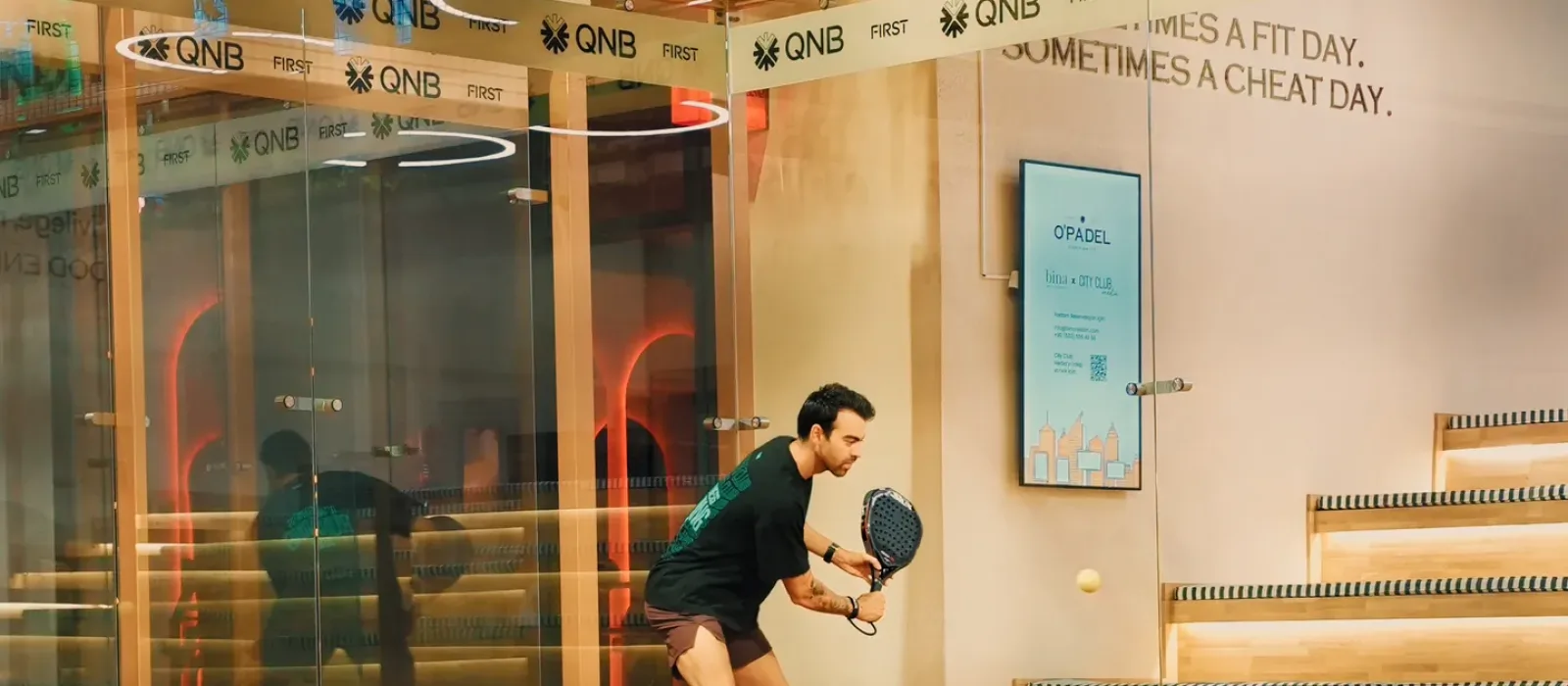
A padel elbow brace, worn around the elbow as a strap or sleeve, is a support that applies light pressure to the forearm muscles and gives some players a feeling of comfort. Along with other gear such as wrist supports, sweatbands, knee sleeves, ankle supports, and protective eyewear, it is one of the aids that support comfort and safety in padel. However, no protective gear replaces proper technique, a suitable racket, an adequate warm-up, and, when needed, a healthcare professional.
In this guide, we at the O’Padel Sky coaching team cover the main protective and support gear used in padel, what each is used for, what to look for when choosing it, and, most importantly, when you should see a doctor or sports physiotherapist instead of relying on gear. This article is for general information only and is not a substitute for medical advice.
Summary
- An elbow brace can give some players comfort by applying pressure to the forearm muscles; it is not a treatment.
- Sweatbands and wrist supports reduce sweat running onto your hand, helping with grip control.
- Knee sleeves and ankle supports can give some players an added sense of stability.
- If you have pain, swelling, or limited movement, consult your doctor before turning to gear.
- Proper technique, a suitable racket, and warming up matter more than protective gear.
Why Is Protective Gear a Hot Topic in Padel?
Padel is a sport made up of repetitive arm movements, sudden changes of direction, and short sprints. That's why the elbow, shoulder, knee, and ankle are among the areas players complain about most often. Especially for beginners, poor technique, gripping the racket too tightly, or using a racket that doesn't suit their level can put unnecessary strain on the arm.
This is where protective gear can give some players a sense of comfort and confidence. However, the real solution is understanding the source of the problem and getting expert support when needed. For general information on common issues, see our tennis elbow, shoulder injuries and knee and ankle .
Elbow Braces: What Do They Do, and When Should You Use One?
The elbow brace is the protective gear padel players ask about most. There are generally two types: a narrow strap worn just below the elbow over the forearm muscles (an epicondylitis strap), and a sleeve that fully wraps the elbow.
| Type | How does it work? | Typical use |
|---|---|---|
| Strap-type elbow brace | Applies localized pressure to the forearm muscles | Players who feel tenderness on the outside of the elbow |
| Sleeve-type elbow brace | Wraps the elbow, providing warmth and light compression | Players who want general support and a feeling of warmth |
| Wrist support / sweatband | Absorbs sweat and gives the wrist light support | Players who want to maintain grip control |
An elbow brace can create a feeling of relief during play for some players, but it doesn't remove the cause of the pain. If elbow pain lasts more than a few days, keeps getting worse, or affects your daily activities, you should consult your doctor rather than relying on a brace. Once a proper assessment has been made, a brace may be recommended as a small part of a treatment plan.
What to look for when choosing an elbow brace
- Correct placement: A strap-type brace is usually worn a few centimeters below the elbow bone; the wrong position won't help.
- Proper tightness: A strap that's too tight can affect circulation; if you feel numbness or tingling, loosen it.
- Breathable material: Reduces skin irritation caused by sweating.
- Correct size: For sleeve types, choose according to the size chart.
Wrist Supports and Sweatbands
Wrist supports and sweatbands are among the simplest yet most useful padel accessories. A sweatband absorbs sweat running down your arm toward your hand, helping keep your grip dry. A dry grip means you squeeze the racket less, which can reduce unnecessary tension in the forearm muscles.
Supportive wrist braces, on the other hand, provide light compression to the wrist. If you have wrist pain, a wrist support may offer temporary comfort, but here too you need to consult a healthcare professional to understand the source of the pain. The racket's wrist strap is a separate matter: it should always be around your wrist to keep the racket from slipping out of your hand.
How it relates to your grip
Just as important as a sweatband is the condition of your grip. A worn, slippery overgrip makes control difficult even with the best sweatband. For changing your overgrip, see our grip and overgrip guide, and for the correct grip, see padel racket grip article.
Knee Sleeves, Ankle Supports, and Other Gear
Sudden stops, lateral movements, and getting low for balls in padel can strain the knees and ankles. Some players use support gear for an added sense of stability in these areas.
- Knee sleeves: Sleeve-type knee supports provide light compression and a feeling of warmth. Players with a history of knee injury may use more structured models on their doctor's recommendation.
- Ankle support: Some players with a history of sprains prefer a brace-style support or athletic tape. Getting help from a physiotherapist for correct application is beneficial.
- Compression garments: Some players prefer compression socks or tights for comfort; the effects vary from person to person.
- Protective eyewear: Some players wear sports glasses, especially to guard against fast balls near the net. For more on vision, see visibility on indoor courts article.
Whatever support gear you use, the most fundamental protection is the right footwear. Padel shoes with soles suited to sand-filled artificial turf play a critical role in reducing the risk of slipping and sprains. For details, see choosing padel shoes .
Developing your technique under a coach's supervision is one of the most effective forms of protection. Book a court now.
What Comes Before Gear: Technique, Racket, and Warm-Up
When talking about protective gear, it's worth stressing that what really matters comes before the gear. These are the protective factors the O’Padel Sky coaching team emphasizes most often in lessons.
- Proper technique: Hitting with body rotation and the shoulder, rather than the wrist, reduces the load on your arm.
- Holding the racket loosely: Squeezing the racket too hard tires the forearm muscles; keep your grip relaxed except at the moment of contact.
- The right racket: A racket that's too heavy or too stiff for your level can transmit vibration to your arm. On this topic, see racket weight and balance post.
- Adequate warm-up: A dynamic pre-match warm-up prepares muscles and joints for the load. For a routine, see pre-padel warm-up article.
- Gradual loading: Avoid suddenly increasing how often and how long you play.
- Recovery: Enough sleep, fluids, and rest days. On this topic, see our padel recovery guide .
Strength and mobility work
Forearm, shoulder, core, and leg strength support both performance and durability. Regular strength and mobility work can make your body better prepared for the repetitive movements of padel. On this topic, our core training and mobility routine articles offer practical tips. The O’Wellness Sky fitness area and O’Athletic Sky athletic performance programs at Skyland Istanbul let you do this preparation with expert guidance.
When Should You Consult a Doctor?
Protective gear shouldn't be used to “silence” pain. In the following situations, see a doctor or sports physiotherapist instead of continuing to play or getting by with gear.
- Pain that lasts more than a few days or keeps getting worse
- Swelling, redness, or increased warmth
- Numbness, tingling, or loss of strength
- Pain that affects daily tasks (such as holding a glass or opening a door)
- Inability to bear weight after an impact or sprain
- Pain that wakes you up at night
Sports physiotherapy support is available at O’Athletic Sky in the Skyland Istanbul complex. After an assessment, you can work with a specialist to determine which gear, which exercises, and how much rest are right for you. Gear should be just one part of that plan.
Common mistakes when using gear
Using protective gear incorrectly can cause discomfort instead of helping. The most common mistakes include wearing an elbow brace in the wrong position, overtightening the strap, constantly relying on support gear to ignore pain, and reusing dirty, sweaty gear without washing it. Washing support gear regularly prevents skin irritation and odor. It's also a good idea to note how you feel after use to judge whether a piece of gear is really helping you.
Practical Tips for Choosing Gear
When choosing protective and support gear, clarifying what you need matters more than reaching for expensive or feature-packed models. First pinpoint where and during which movement you feel discomfort; then get an expert opinion if needed and choose accordingly.
- Check the size chart carefully, and try before you buy if necessary.
- Choose washable materials suited to sweating.
- Evaluate items one at a time instead of trying several at once.
- Check your gear regularly for wear and stretching.
For carrying your gear and keeping it organized, take a look at our padel bag and accessories guide. To ask your coach questions about your technique during lessons, visit our padel lessons page, and for recovery options, see Recovery & Wellness page.
Remember that protective gear is a personal choice and doesn't produce the same result for every player. An elbow brace or knee sleeve your partner swears by may not suit you. Listening to your own body, trying changes one at a time, and getting an expert opinion when needed is the most reliable way to make the right choice.
Age and past injuries
Players over forty and those with past injuries ask about protective gear more often. With age, recovery time can lengthen and joints can become more sensitive to load. In that case, adjusting how often you play, match length, and your warm-up is a more effective starting point than gear. For tips on this topic, see Padel over 40 article.
Players who have had surgery or are returning from a long-term injury must plan their return to sport together with their doctor. In such a process, which support gear to use, for how long, and in which activities is determined individually. Progressing gradually on your return, starting with light rallies, then short matches, and finally full-intensity play, helps reduce the risk of re-injury.
Our coaching team can adapt lesson intensity and content for players returning to sport in line with expert recommendations. Sharing information about your health with your coach during this period makes it easier to plan lessons that suit you.
Conclusion
Padel elbow braces, wrist supports, knee sleeves, and other protective gear are aids that give some players a sense of comfort and confidence; however, they don't replace proper technique, a suitable racket, an adequate warm-up, and, when needed, an expert assessment. If you're in pain, consult your doctor first, then use gear as part of a plan. At O’Padel Sky in the Skyland Istanbul complex in Sarıyer, our coaching team can help you improve your technique, while sports physiotherapy support at O’Athletic Sky can help prepare your body for the game.
FAQ
No. An elbow brace can give some players a feeling of comfort, but it is not a treatment. If you have elbow pain, consult your doctor first.
That depends on your situation and expert advice. Without pain, working on technique, racket choice, and warm-up matters more than routine use.
A sweatband reduces sweat running onto your hand and helps keep your grip dry, which lets you hold the racket more comfortably.
Proper footwear is the basic protection. For additional support gear and taping, we recommend getting advice from a doctor or sports physiotherapist.
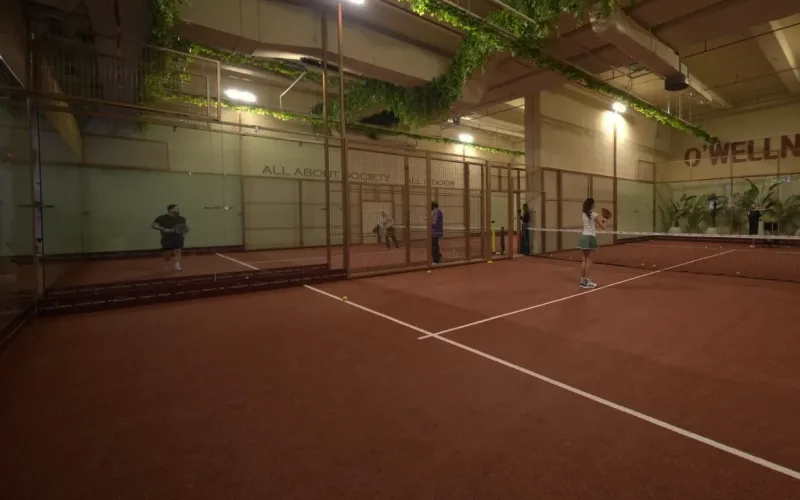


 Padel Courts
