
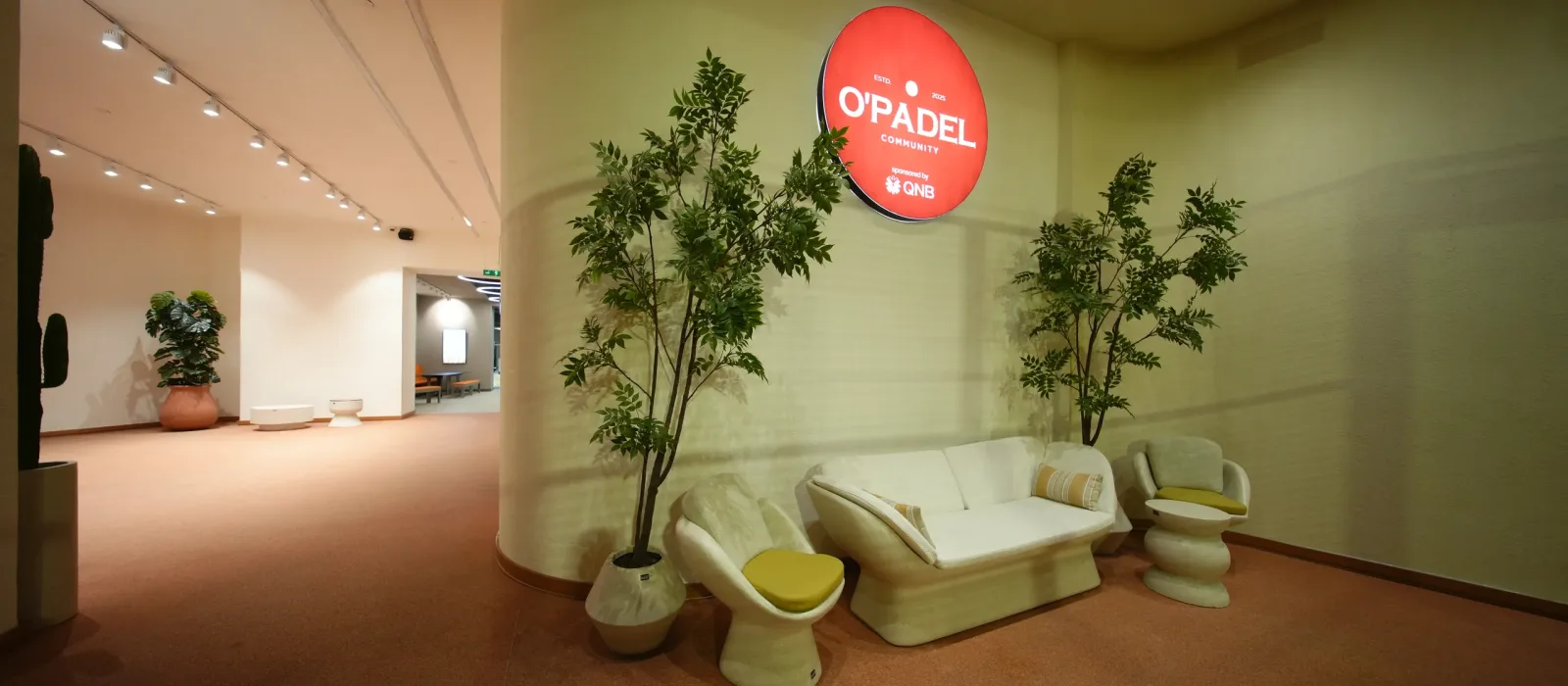
Corporate padel events, have become a rapidly rising choice in companies' team-event preferences in recent years. The reason is simple: padel is a sport that even someone who has never played can enjoy within an hour, that creates natural communication thanks to doubles play, and that tolerates differences in level. In this article we cover corporate padel event formats, the organization plan, budget items and practical recommendations for companies along the Maslak-Levent corridor.
Why Is Padel Suitable for Corporate Events?
- Low barrier to entry: Everyone can play after a 15-minute introduction. There is no long learning curve like golf or tennis.
- Doubles play: Communication and cooperation are required; team dynamics emerge naturally.
- Inclusivity: Differences in age, gender and fitness matter less than in other sports.
- Short match times: With rotation formats everyone plays; no one waits on the sidelines.
- Indoor court option: Weather conditions eliminate planning risk.
- Proximity: City-center facilities offer events within a short distance of the office.
- Social continuity: A one-off event can turn into a regular office play group.
Event Formats
1. Introduction and play (most common)
Duration: 2-2.5 hours. Ideal for groups made up mostly of participants who have never played.
- First 20 minutes: Introduction to the rules and basic strokes with an instructor.
- 20-40 minutes: Short drills; forehand, backhand, serve, net volley.
- 40-110 minutes: Rotation mini matches.
- 110-150 minutes: Social close; refreshments and conversation.
2. Americano tournament
Suitable if some of the participants have played before.
- Partners change every round; individual points are collected.
- Ideal for bonding across departments.
- The leaderboard creates a sense of competition.
- 8-16 participants, 2-4 courts, 2-3 hours.
3. Department tournament
- Knockout or group format with fixed teams.
- Department identity and team spirit are strengthened.
- More competitive; careful planning is needed in mixed-level groups.
- Half-day or full-day format.
4. Regular office league
- A 6-10 week season; one match each week.
- A far more lasting effect than a one-off event.
- Builds a habit of regular physical activity.
- Leaderboard and an end-of-season award ceremony.
5. Client event
- Events organized together with clients or business partners.
- A different space for interaction than a formal meeting setting.
- A relaxed yet professional atmosphere.
- The Americano format is usually preferred.
6. Wellness day integration
- A full-day program including padel + spa + a healthy meal.
- As part of employee wellbeing programs.
- A balance of sport and rest.
Organization Plan
4-6 weeks before
- Determine the number of participants.
- Book the facility and date.
- Choose the format.
- Budget approval.
2-3 weeks before
- Collect invitations and attendance confirmations.
- Experience-level survey: never played / a few times / regularly.
- Determine the number of instructors.
- Equipment needs: how many people will rent rackets?
- Refreshment plan.
1 week before
- Brief participants: what to wear, what to bring, where to meet.
- Prepare the pairing and rotation chart.
- Transportation and parking information.
- Confirm the final participant list.
Event day
- Arrive 30 minutes early and check the setup.
- Welcome and equipment distribution.
- A short opening talk; explain the format and rules.
- Manage the rotation on time.
- Photos (with participants' permission).
- Closing and social time.
Participant Briefing
Information that should be included in the invitation text:
- Clothing: Sportswear; moisture-wicking t-shirt, shorts or leggings.
- Shoes: Sports shoes; padel shoes are preferred if you have them, otherwise can they be rented from the facility?
- What to bring: Spare t-shirt, towel, water bottle, shower essentials.
- Racket: Is rental available, is it included?
- Experience: State clearly that never having played is fine; this noticeably increases participation.
- Duration and program flow.
- Transportation and parking.
- Health note: Anyone with a health condition should inform the organizer; mention that the event involves intense physical activity.
Budget Items
- Court rental: Number of courts x duration.
- Instructor fee: 1 instructor is recommended for every 2 courts.
- Racket rental: Depending on the number of participants.
- Balls.
- Refreshments: Water, fruit, a light snack; a meal after the event is optional.
- Prizes and gifts: For the tournament format.
- Photo/video: Optional.
- Changing room and towel service.
Practical note: negotiating a corporate package with facilities is usually more advantageous than item-by-item pricing.
Managing Mixed-Level Groups
The biggest challenge in corporate events is the difference in level.
- Determine in advance with a survey. Three categories are enough: never played, little experience, plays regularly.
- Balanced pairing: Pairing an experienced player with a beginner.
- Separate courts: Separate courts by level for the first 40 minutes; then mix.
- Instructor support: Having an instructor on the beginners' court.
- Rule adaptations: Simplifying scoring, relaxing the serve rule.
- Expectation management: State from the start that the purpose of the event is bonding, not competition.
- Mini court games: Simplified games on a half court for groups who have never played.
Safety and Health
- The warm-up is non-negotiable. A 10-minute dynamic warm-up, led by an instructor.
- Gradual start: No full-tempo play in the first few minutes.
- Hydration: Water access at the court side.
- Health declaration: Provide a space for participants to report their current health conditions.
- Shoe check: Playing in flat-soled street shoes creates a slipping risk.
- Wrist strap: Racket cords should be attached and in use.
- Intensity management: Rotation instead of long uninterrupted play; rest periods.
- First aid: First aid should be available at the facility.
From a One-Off Event to a Lasting Habit
The most successful corporate padel events are those that are not limited to a single day.
- Announce the next step at the end of the event: “We're starting a weekly play group, anyone who wants to join…”
- Set up a messaging group.
- Set a fixed slot: Something like “every Wednesday at 19:00.”
- Corporate discount agreement: So that employees can also access it individually.
- Office league: An 8-week season ensures regular participation.
- Beginners' group: For those who were interested but hesitant at the first event.
- Managers' participation: Leading by example noticeably increases participation.
Location Advantage for Maslak and Levent Companies
The factor that most affects event attendance is distance. A facility located along the Maslak-Levent-Ayazağa corridor like Skyland Istanbul offers these advantages:
- After-work access: It is possible to leave the office at 18:30 and be on the court at 19:00.
- No half-day loss: Unlike out-of-town events, an all-day program is not required.
- Metro connection: Easy access for participants who do not drive.
- Parking: Indoor parking within the complex.
- Indoor courts: Weather conditions eliminate planning risk.
- Multi-format facility: Using the spa or relaxation area after padel; it enriches the event.
- Regular continuity: Proximity makes it easier for a one-off event to turn into a weekly routine.
Post-Event Evaluation
- A short feedback survey (3-4 questions are enough).
- Attendance rate and satisfaction level.
- Number of people who want to continue.
- Suggestions about format and duration.
- Set a date for the next event.
Conclusion
With its low barrier to entry and doubles structure, padel is a very suitable sport for corporate events. The most effective format is a 2-2.5 hour program of instructor-led introduction and rotation mini matches for groups made up mostly of participants who have never played. The key to success lies in two points: learning participants' experience levels in advance and pairing them in a balanced way, and planning the event not as a one-off day but as the start of a regular play group. Choosing an indoor-court facility close to the office is the practical factor that most affects attendance.
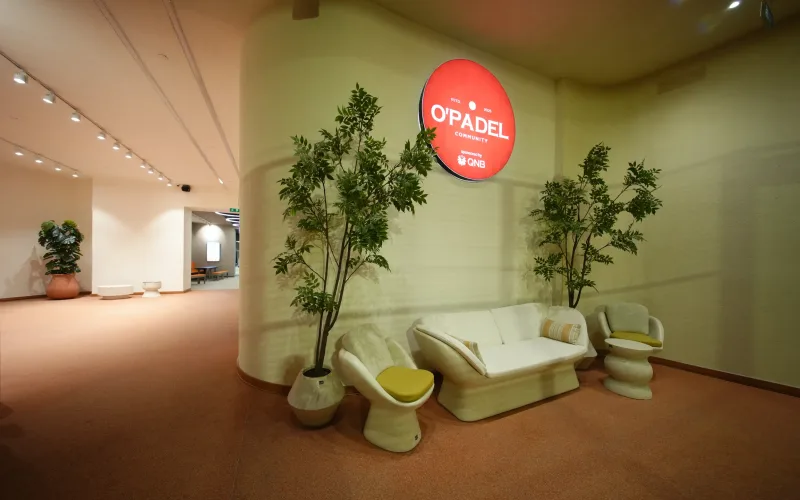
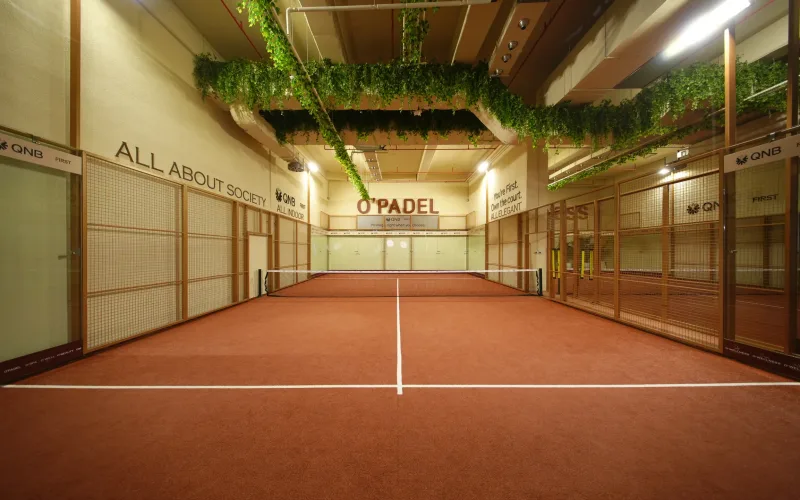
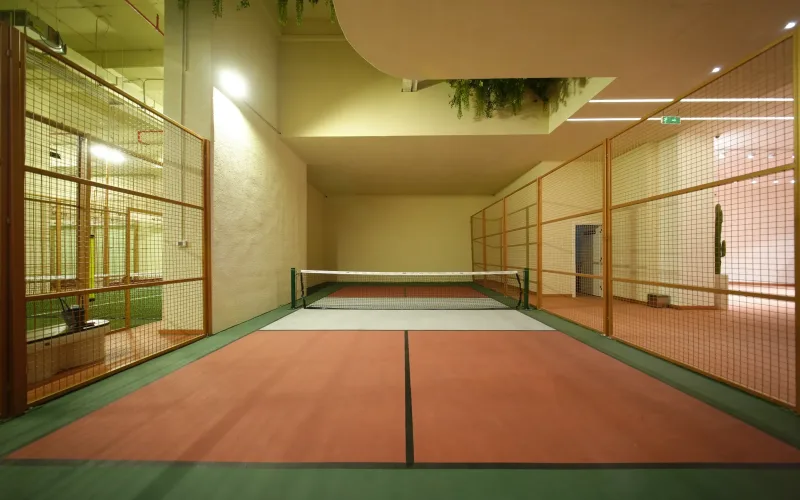


 Padel Courts
